Typical Morning Routine
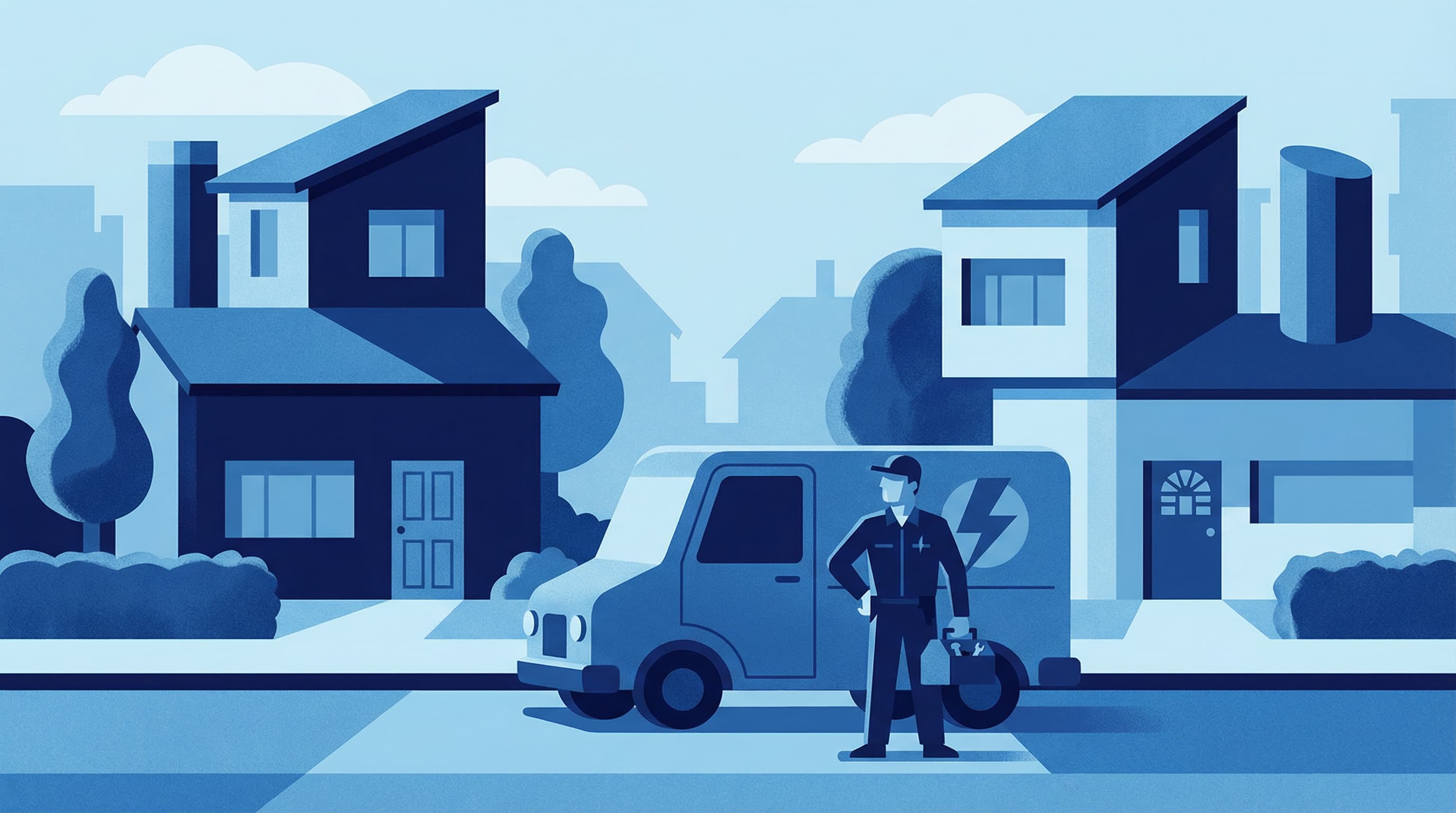
Most electricians start their day early. A 6:30–7:00am alarm is standard, with many aiming to be on site by 8:00am. Before leaving the house, there's usually a quick check of the day's schedule — reviewing job sheets, confirming appointments, and checking for any last-minute messages from customers or the office.
The van is your mobile workshop, and a well-organised start to the day makes everything smoother. Experienced electricians spend a few minutes the night before loading materials for the next day's jobs, checking they have the right cable, accessories, and consumables. Running out of 2.5mm twin and earth halfway through a job means a trip to the wholesaler and lost time.
For self-employed electricians, the morning routine also includes checking emails, responding to quote requests, and updating invoices. Many use apps like Tradify, SimPRO, or even a simple spreadsheet to manage their schedule. The business side of the trade starts before you've even picked up a screwdriver.
Breakfast is often grabbed on the go — a flask of tea and a bacon roll from a local cafe is practically a tradition on UK building sites. If you're working on a larger commercial project, the day might start with a site briefing or toolbox talk covering the day's tasks and any safety considerations.
On-Site Work
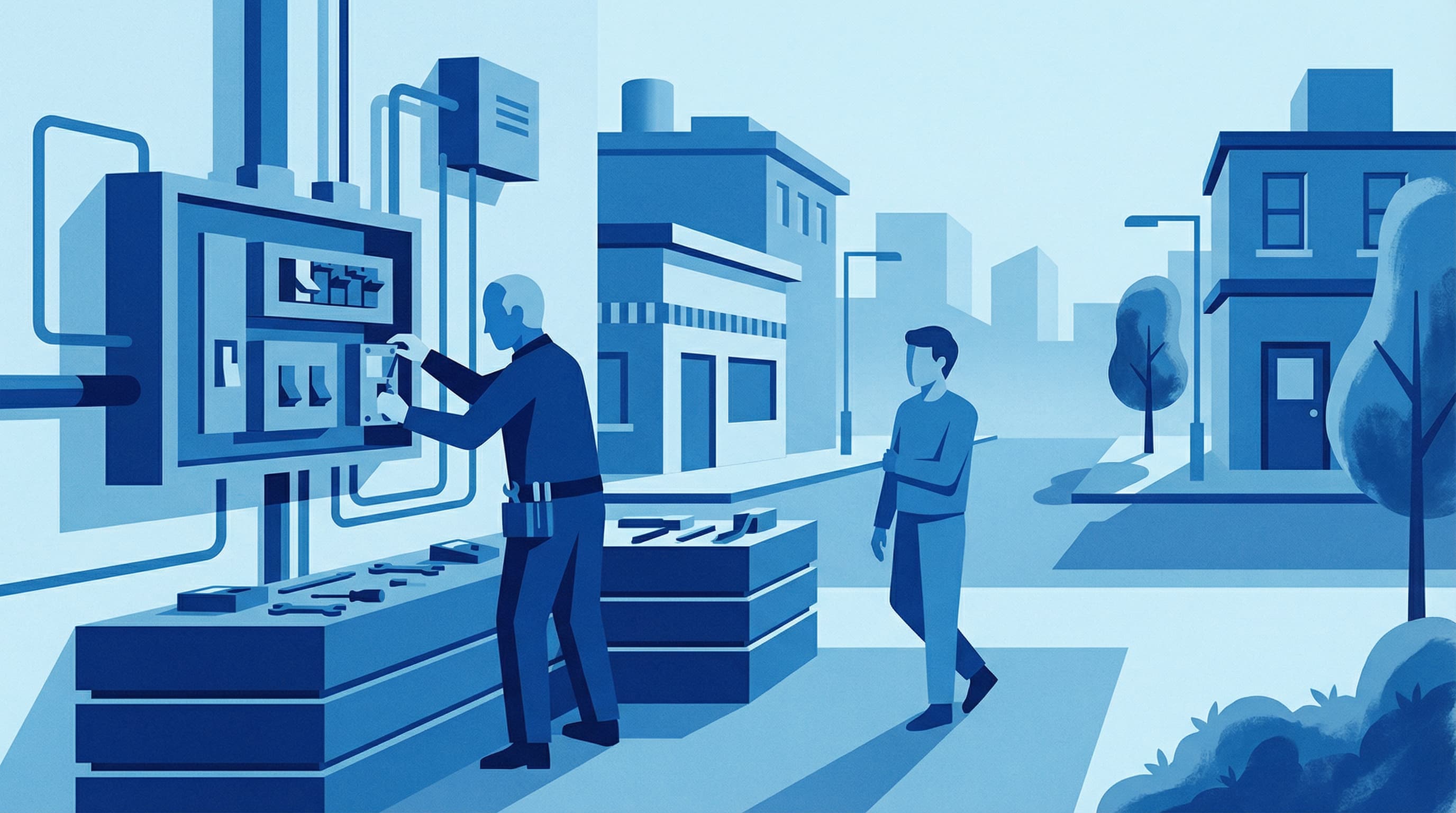
Once on site, the real work begins. A domestic electrician's day might involve a mix of jobs: a consumer unit upgrade in the morning, a couple of extra sockets after lunch, and a fault-finding job in the afternoon. No two days are exactly the same, which is one of the things many electricians enjoy about the trade.
The first task at any job is assessing the situation. Even if you've already quoted the work, you'll want to check that nothing has changed and confirm your plan of action. For a rewire, that means tracing existing circuits, identifying the route for new cables, and checking for any surprises behind the plasterboard — old wiring, asbestos, or structural complications that weren't visible during the initial survey.
Physical work dominates the middle of the day. Drilling holes, pulling cables, chasing walls, fitting back boxes, and mounting accessories are all part of the daily grind. A typical domestic first-fix day might involve running 15–20 cables from the consumer unit to various points around the house, securing them with clips, and ensuring they're routed safely away from plumbing and gas supplies.
Testing is woven throughout the day, not just saved for the end. Good electricians test as they go — checking continuity, insulation resistance, and polarity at each stage. This catches problems early and avoids the nightmare of finding a fault after everything is plastered and decorated.
Dealing with Customers
Customer interaction is a bigger part of the job than many people expect. As a domestic electrician, you're working in people's homes — their personal space — and how you communicate and conduct yourself matters enormously for repeat business and referrals.
The best electricians explain what they're doing in plain English. Customers don't need to understand Zs values or ring final circuit testing, but they do want to know why you're recommending a consumer unit upgrade or why their 1960s wiring needs replacing. A clear, jargon-free explanation builds trust and helps justify the cost of the work.
Difficult conversations are inevitable. Sometimes you uncover problems that weren't part of the original scope — an earthing arrangement that doesn't meet current standards, or an existing circuit that's been bodged by a previous cowboy. You need to explain the issue honestly, provide options, and give the customer time to decide without applying pressure. Putting findings in writing (even a quick text message) protects both parties.
For self-employed electricians, every customer interaction is also a sales opportunity. Not in an aggressive way, but simply by being professional, punctual, and tidy. The electrician who turns up on time, wears clean workwear, covers their shoes, and cleans up after themselves will always get more recommendations than the one who leaves cable offcuts on the floor and dust on the furniture.
Paperwork and Admin
The paperwork side of being an electrician has grown significantly over the years, and it's one of the aspects that catches newcomers off guard. Every notifiable job requires proper documentation — Electrical Installation Certificates (EICs), minor works certificates, or Electrical Installation Condition Reports (EICRs), depending on the nature of the work.
For a typical domestic job, you'll need to complete:
- An EIC or minor works certificate detailing the work carried out, test results, and confirmation of compliance with BS 7671
- Schedule of test results with readings for every circuit — Zs, Rcd trip times, insulation resistance, continuity, and more
- Part P notification through your competent person scheme (usually submitted online)
- Building regulations compliance certificate sent to the local authority and the customer
Most electricians now use digital certification software like Certpal, iCertifi, or EasyCert. These apps streamline the process significantly compared to handwritten certificates, auto-calculating maximum Zs values and flagging any results that don't meet requirements. A single EIC still takes 20–30 minutes to complete properly, though.
Beyond certification, self-employed electricians also handle quoting, invoicing, material ordering, tax records, and scheme paperwork. Many find that admin takes up 5–10 hours per week on top of their on-site time. It's not glamorous, but neglecting it leads to cash flow problems and compliance issues.
Physical Demands
Electrical work is physically demanding, though not in the same way as bricklaying or roofing. The challenges are more about sustained awkward positions, working in confined spaces, and repetitive tasks that take their toll over time.
Common physical demands include:
- Working in loft spaces: Crawling across joists in cramped, dusty, and sometimes unbearably hot conditions during summer. Loft work is consistently rated as one of the least enjoyable parts of the job.
- Lifting and carrying: Cable drums, consumer units, distribution boards, and tool bags all add up. A fully loaded tool bag can weigh 15–20kg, and you might be carrying it up several flights of stairs.
- Working at height: Installing light fittings, running cables at high level, and working on scaffolding or platforms. Falls from height remain one of the most common causes of serious injury in the construction industry.
- Kneeling and crouching: Fitting sockets, running cables under floors, and working at floor level puts significant strain on knees and back. Good knee pads are an essential investment.
Long-term, many electricians develop issues with their knees, shoulders, and lower back. Investing in quality PPE, maintaining fitness, and using proper manual handling techniques makes a real difference over a 30–40 year career. The electricians who look after their bodies last the longest in the trade.
Dust is another occupational hazard that's often overlooked. Chasing walls generates huge amounts of silica dust, which is a serious respiratory risk. A proper FFP3 dust mask and, ideally, a dust extraction attachment for your SDS drill are not optional — they're essential for long-term health.
Work-Life Balance
One of the biggest draws of the electrical trade is the potential for a decent work-life balance, particularly for self-employed electricians who control their own diary. Unlike office workers tied to a desk, electricians can often structure their week to suit their life.
A typical working week for a domestic electrician is 40–45 hours, usually Monday to Friday. Many choose to work 8am–4pm or 8:30am–5pm, which still leaves evenings free. Some deliberately keep Fridays light for catching up on paperwork and quotes, giving themselves an early finish to start the weekend.
The flip side is that the work can be unpredictable. Emergency call-outs, jobs that overrun, and customers who only want evening or weekend appointments can eat into personal time. Setting clear boundaries — communicating your working hours, charging premium rates for out-of-hours work, and learning to say no — is crucial for avoiding burnout.
Employed electricians on larger commercial or industrial projects may work longer hours, including regular overtime. Shift work is common on data centres, hospitals, and other facilities that need electrical work carried out outside normal operating hours. The pay is generally higher, but the impact on family life and social time is real.
The Rewarding Parts
Despite the early starts, physical strain, and paperwork, most electricians genuinely enjoy their work. There is a deep satisfaction in solving problems, seeing a completed installation, and knowing that your work keeps people safe.
The variety is a major plus. Even within domestic work, you might go from upgrading a consumer unit in a Georgian townhouse to installing underfloor heating in a new-build extension and troubleshooting a fault in a 1970s flat — all in the same week. That variety keeps the work intellectually stimulating in a way that many desk jobs simply cannot match.
Financial independence is another significant benefit. A skilled, self-employed electrician in London can realistically earn £50,000–£80,000 per year, with specialists in areas like EV charging or renewable energy earning even more. You're building a business, not just earning a wage — and the harder and smarter you work, the more you earn.
Perhaps the most underrated aspect is the sense of community within the trade. Whether it's sharing tips at the wholesaler, helping a mate on a big job, or connecting with other electricians online, there's a genuine camaraderie that comes with being part of a skilled trade. For many electricians, the people they meet — both colleagues and customers — make the daily grind worthwhile.