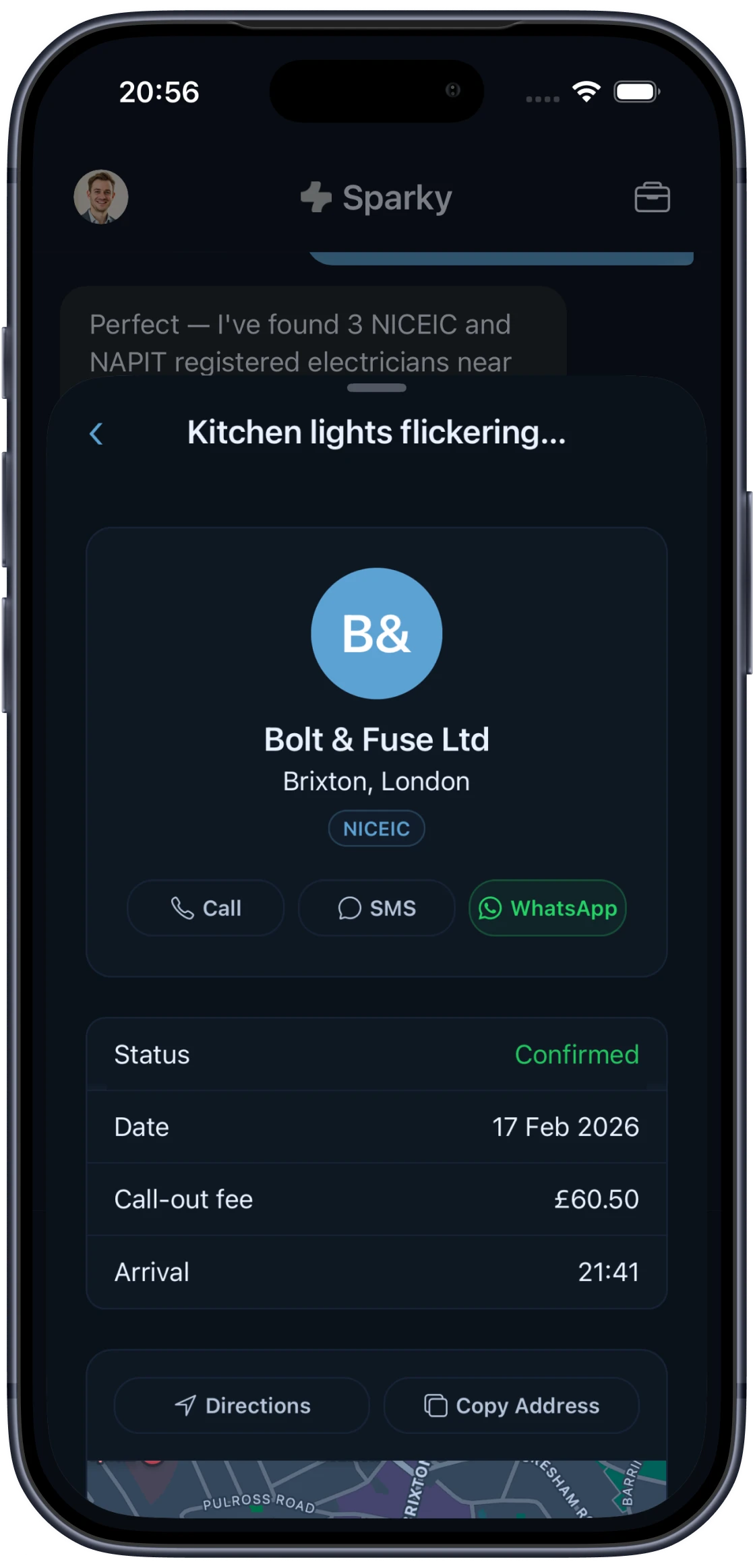
Know your rights. Stay safe at home.
Your landlord must keep the electrics safe. Learn what you're entitled to, how to report problems, and what to do in an emergency.

Smoke alarm replacement
Tom from Ace Electrics · Wed 10 AM
Know your legal rights
Understand exactly what your landlord must provide and what to do if they don't comply.
Report problems effectively
Letter templates and escalation guides to get electrical issues resolved quickly.
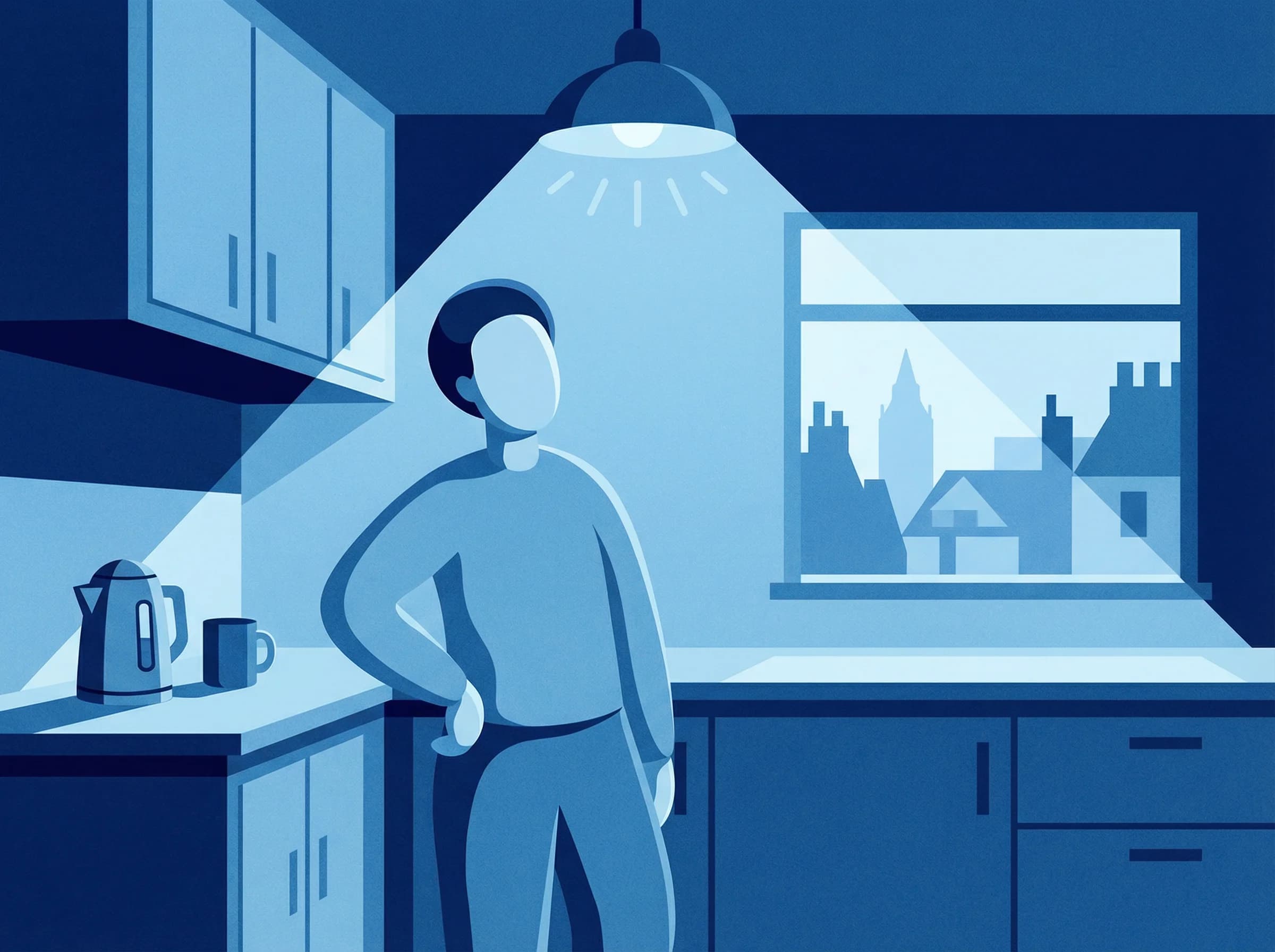
Emergency guidance
Know what to do in an electrical emergency — who to call and how to stay safe.
How it works
Check your rights
Read our tenant guides to understand what electrical safety standards your landlord must meet.

Report any issues
Use our letter templates to formally report electrical problems to your landlord.

Get it fixed
If your landlord arranges an electrician through Sparky, the work is done quickly by a qualified professional.
Electrical safety in your rented home
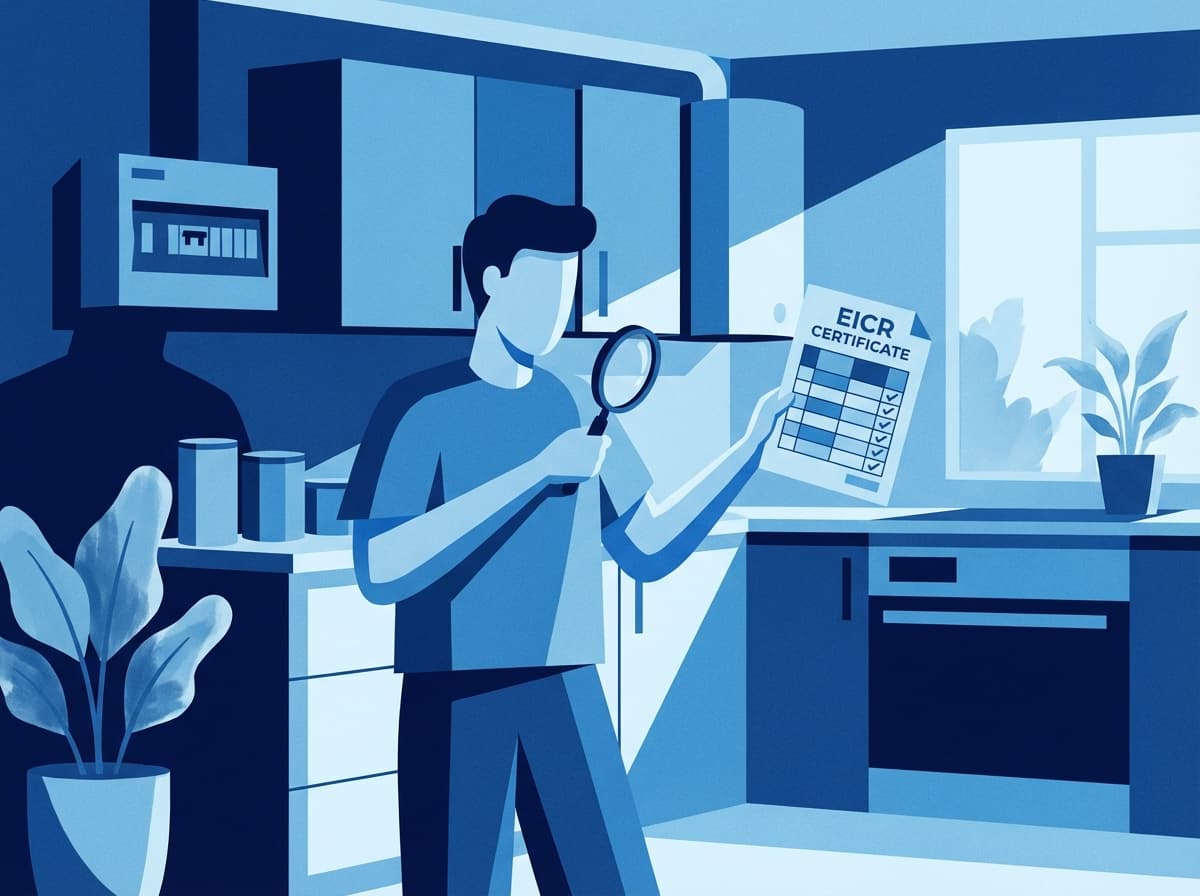
EICR rights
Your landlord must provide a valid EICR before you move in. If they haven't, you can request one.
Smoke & CO alarms
Every storey must have smoke alarms. Rooms with combustion appliances need CO alarms.
Reporting faults
How to report electrical problems and escalate if your landlord doesn't act within the legal timeframe.
Help when you need it
Whether you need to understand an EICR report, report a fault, or find an electrician for your own appliance issues — we're here to help.
Get Started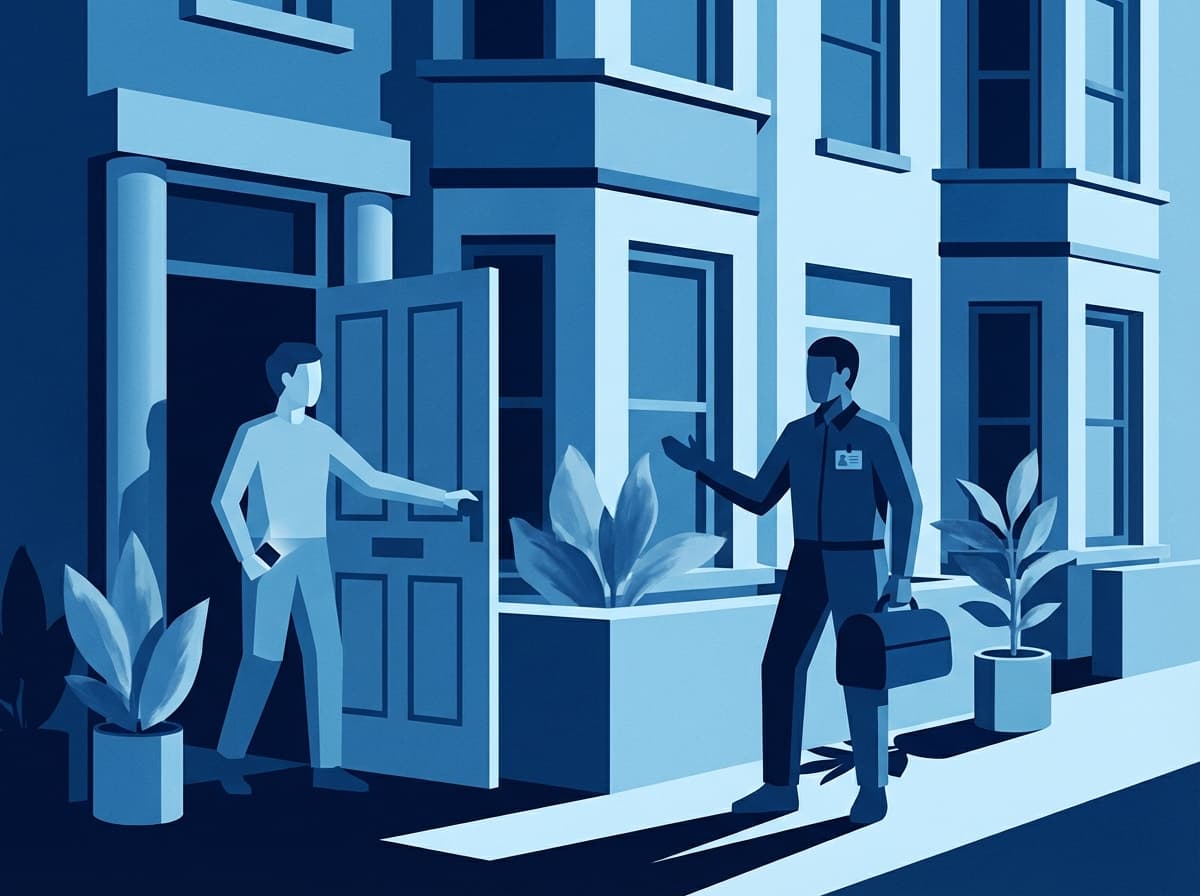
Resources for tenants
Your rights, practical checklists, and step-by-step guides for dealing with electrical safety in your rented home.
Tenant's Guide to Electrical Safety in Rented Homes
As a tenant in England, you have strong legal protections when it comes to electrical safety. This guide explains your rights under the 2020 regulations, what your landlord must provide, and what to do if they fall short.
Understanding Your EICR Report: A Tenant's Guide
An EICR can look intimidating — full of codes, technical language, and inspection results. This guide breaks it all down in plain English so you know exactly what your report means and what should happen next.
Electrical Problems in Your Rented Home: What to Do
Dealing with electrical problems in a rental can feel frustrating and scary — especially if your landlord is slow to act. This guide walks you through reporting issues, your legal rights, and how to escalate when things are not being fixed.
Electrical Emergencies in Rented Properties
An electrical emergency can happen without warning. Knowing what to do in those critical first moments could save your life. This guide covers how to recognise an emergency, stay safe, and get help — with specific advice for tenants in rented homes.
New Tenant Electrical Safety Checklist
Moving into a new rental? The first few days are your best opportunity to check the electrics and document any issues. This checklist helps you spot problems early, ask the right questions, and protect yourself from day one.
Energy Efficiency Tips for Renters
High energy bills hit renters hard — especially when you can't control the insulation, heating system, or appliances your landlord provides. This guide covers practical ways to reduce your electricity costs, from no-cost behavioural changes to knowing what your landlord should be doing.
Appliance Safety in Rented Homes
Who is responsible for electrical appliances in a rental — you or your landlord? This guide clarifies the dividing line, covers safe use of extension leads, kitchen appliances, and how to recognise faulty equipment before it becomes dangerous.