What is this?
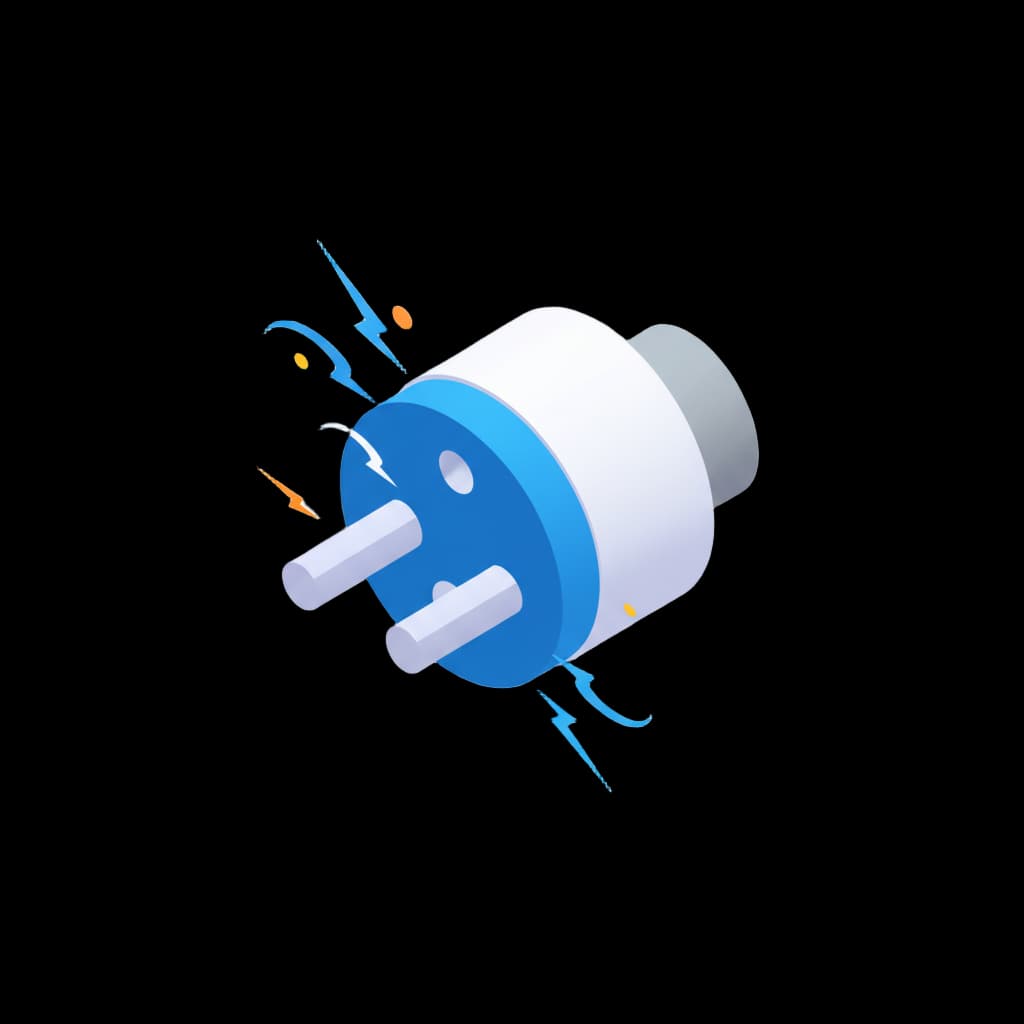
A small spark when inserting a plug into a socket is actually very common and often completely normal. It occurs because many appliances have internal capacitors or switch-mode power supplies that draw a brief inrush of current the moment they connect to the mains. This inrush causes a tiny arc at the plug pin as it makes contact with the socket. However, large, loud, or persistent sparks are not normal and indicate a problem.
Common causes
- Normal inrush current from appliances with capacitors or switch-mode power supplies (TVs, computers, phone chargers)
- Plugging in while the socket switch is turned on (rather than inserting the plug first, then switching on)
- Worn socket contacts not making clean connection with the plug pins
- Damaged or bent plug pins creating an unstable contact point
- Moisture or contamination on the plug pins or inside the socket
- High-draw appliance pulling significant current on connection
Is it dangerous?
A tiny, brief blue spark when plugging in is usually harmless — it is normal for many modern appliances. However, if the spark is large, yellow or orange, accompanied by a crack or bang, or if it happens every time with any appliance in that socket, there is a problem. Large sparks can indicate arcing, which is a fire risk. If the socket shows scorch marks after sparking, it must be replaced.
Can I fix it myself?
To avoid normal sparking, switch the socket off before inserting the plug, then switch it on. This eliminates the inrush spark entirely. If you suspect the socket is faulty (sparks are large, happen with every appliance, or leave marks), stop using it and call an electrician. Check plug pins for damage or bending and replace the plug if needed.
When to call an electrician
Call an electrician if the sparks are large, yellow, or accompanied by a sound. Also call if sparking occurs with every appliance in the same socket, if there are scorch marks on the socket or plug after sparking, or if you smell burning. A single tiny blue spark when plugging into a switched-on socket is not a cause for concern.
What will an electrician do?
Inspect the socket's internal contacts for wear and damage
Check for signs of arcing, carbon deposits, or overheating inside the socket
Replace the socket if the contacts are worn or damaged
Test the circuit to ensure the ring main is intact
Advise on proper plug insertion technique to minimise sparking
Typical cost
£60 – £130
Socket replacement is a quick job if the wiring behind is in good condition. If the sparking has caused wiring damage, costs increase.