What is this?
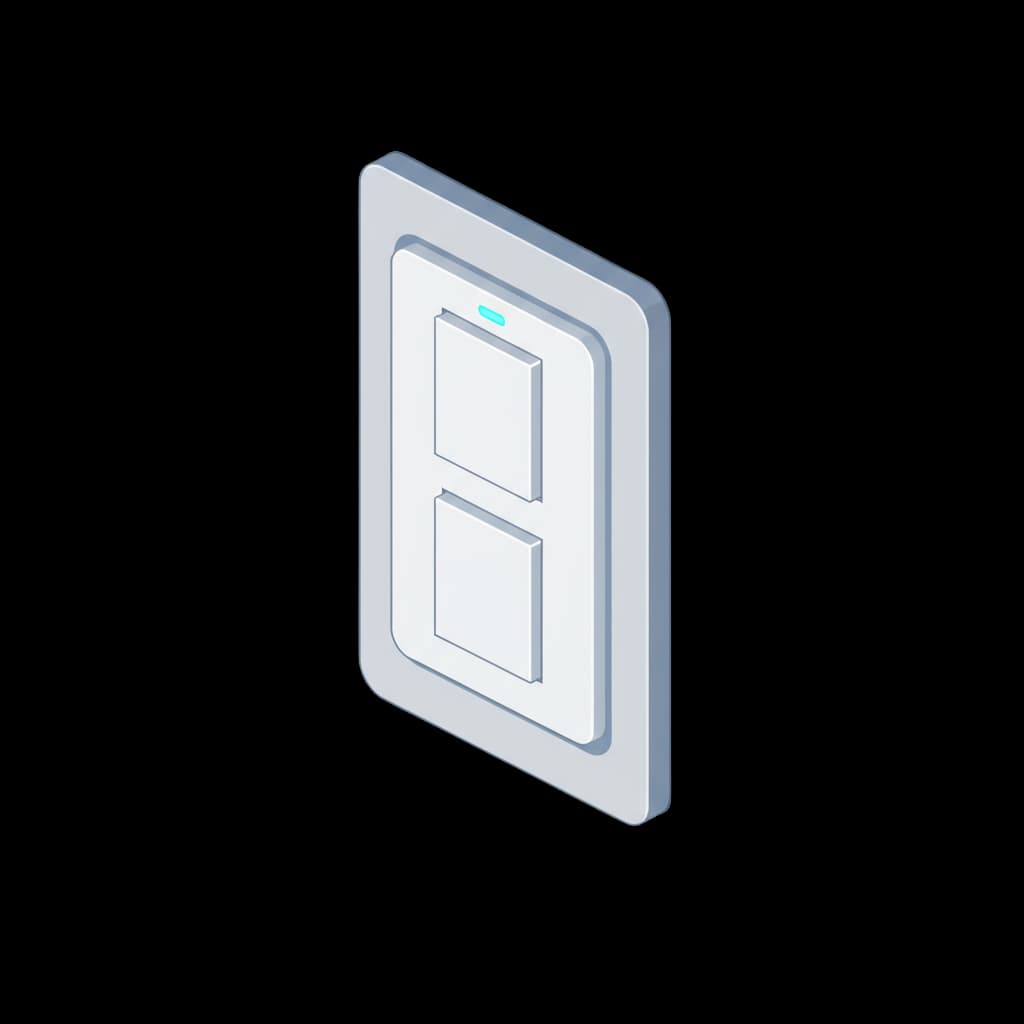
A light switch that has stopped working means the switch mechanism is no longer completing the circuit to the light fitting. In UK homes, light switches work by breaking and reconnecting the live wire to the light. If the switch no longer controls the light, the fault could be in the switch mechanism itself, the wiring connections behind the faceplate, or the light fitting. The most common cause is a worn-out switch mechanism, especially in older homes where switches have been used thousands of times.
Common causes
- Switch mechanism has worn out — the internal contacts no longer make connection
- Loose wire connection at the back of the switch
- Broken cable between the switch and the light fitting
- Faulty light fitting or lamp holder (not the switch at all)
- Tripped lighting circuit MCB at the consumer unit
Is it dangerous?
A non-working light switch is not immediately dangerous, but the cause should be identified. If the switch feels hot, if you can smell burning, or if the switch sparks or crackles when operated, these indicate a serious fault. Worn switches can also develop intermittent connections that cause arcing and fire risk.
Can I fix it myself?
First, try the bulb — replace it to rule out a blown lamp. Check your consumer unit for a tripped lighting MCB. If the bulb and MCB are fine, the switch itself is likely faulty. While replacing a light switch is a common DIY job, you must turn off the lighting circuit at the consumer unit first and be confident you understand the wiring. If the switch has more than two wires (common in two-way switching), call an electrician to avoid incorrect reconnection.
When to call an electrician
Call an electrician if the switch has multiple wires (two-way or intermediate switching), if you are not confident with basic wiring, if the switch is warm or has a burning smell, or if replacing the switch does not fix the problem (suggesting the fault is in the wiring or fitting).
What will an electrician do?
Isolate the circuit and remove the switch faceplate
Test the switch and wiring with a multimeter to confirm the fault location
Check for loose or damaged connections at the switch and the light fitting
Replace the switch mechanism and re-make all connections
Test the circuit after repair to confirm correct operation
Check the condition of the cable if damage is suspected
Typical cost
£60 – £150
A straightforward switch replacement is at the lower end. If the wiring to the light fitting also needs repair or the switch is part of a complex two-way or three-way arrangement, costs increase.