What is this?
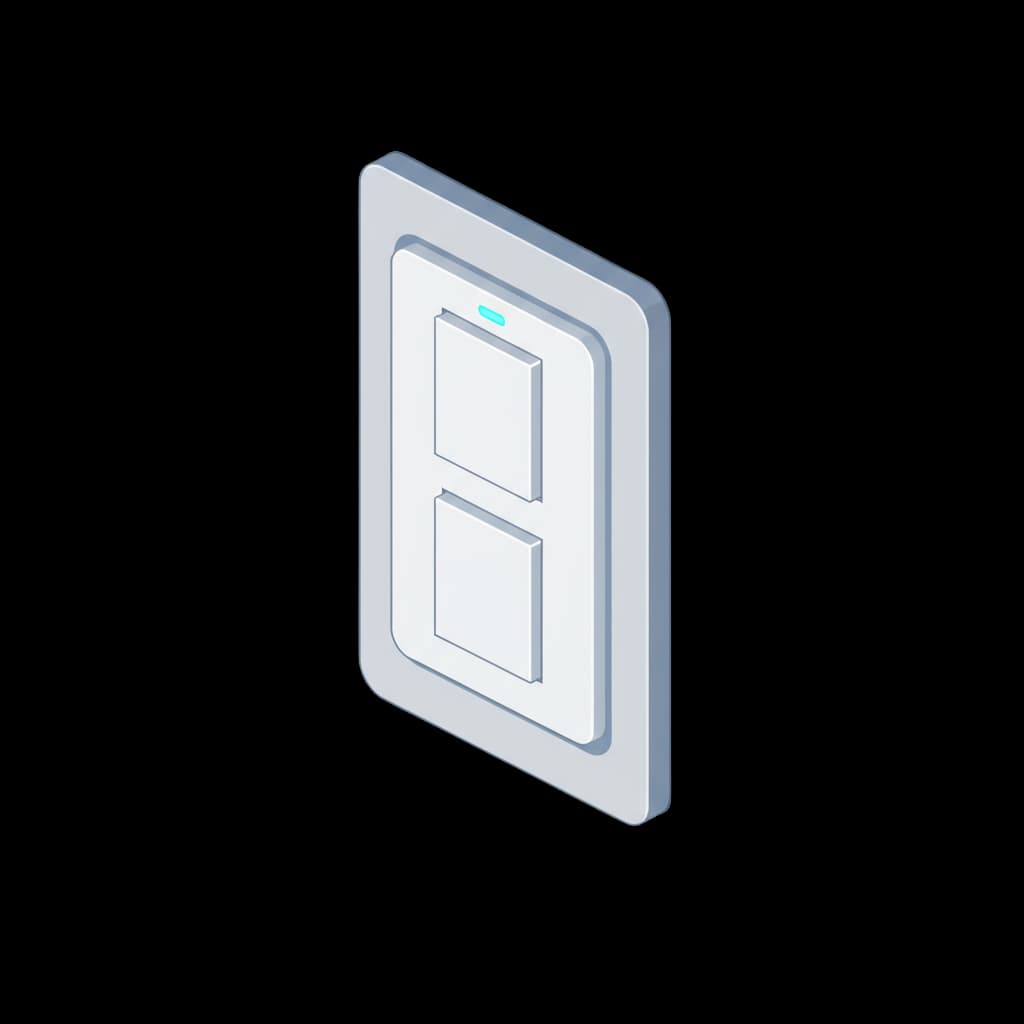
Two-way switching allows a single light to be controlled from two different locations — typically the top and bottom of a staircase, or each end of a hallway. It uses special two-way switches with three terminals and additional wiring between the two switch positions. When two-way switching fails, it is usually because one of the switches has failed internally, a wire has come loose at one of the switches, or incorrect reconnection after a switch replacement has broken the two-way arrangement.
Common causes
- One of the two-way switches has a worn-out mechanism
- Loose wire connection at one of the switch positions
- Incorrect wiring after a switch was replaced (common DIY mistake)
- Cable damage between the two switch positions
- Wrong type of switch fitted — a one-way switch used where a two-way is needed
Is it dangerous?
Two-way switching that has partially failed is a moderate concern. If one switch stops working, people may leave the other in an awkward position, or the wiring fault causing the failure could be a loose connection that creates arcing. Stairway lights are also a safety concern — not being able to turn on the landing light from either position is a trip and fall hazard.
Can I fix it myself?
Two-way switch wiring is more complex than a single switch and is a common source of DIY errors. If you recently replaced one of the switches, you may have wired it incorrectly. Two-way switches have three terminals: common (C), L1, and L2. The common terminal is the most critical one to get right. If you are not confident with two-way wiring, call an electrician rather than risk making it worse.
When to call an electrician
Call an electrician if one or both two-way switches have stopped controlling the light, if you attempted a switch replacement and it did not work, or if the problem started without any recent work (suggesting a worn switch or loose connection). Two-way switch faults are bread-and-butter work for electricians.
What will an electrician do?
Test both switches and the wiring between them to locate the fault
Check the connections at both switch positions for loose wires
Replace faulty switch mechanisms with correct two-way switches
Re-wire the two-way arrangement if previous work was done incorrectly
Test the completed circuit from both switch positions to confirm operation
Typical cost
£70 – £160
A switch replacement in a two-way arrangement is slightly more involved than a single switch. Re-wiring an incorrectly connected two-way circuit takes a bit longer.