What is this?
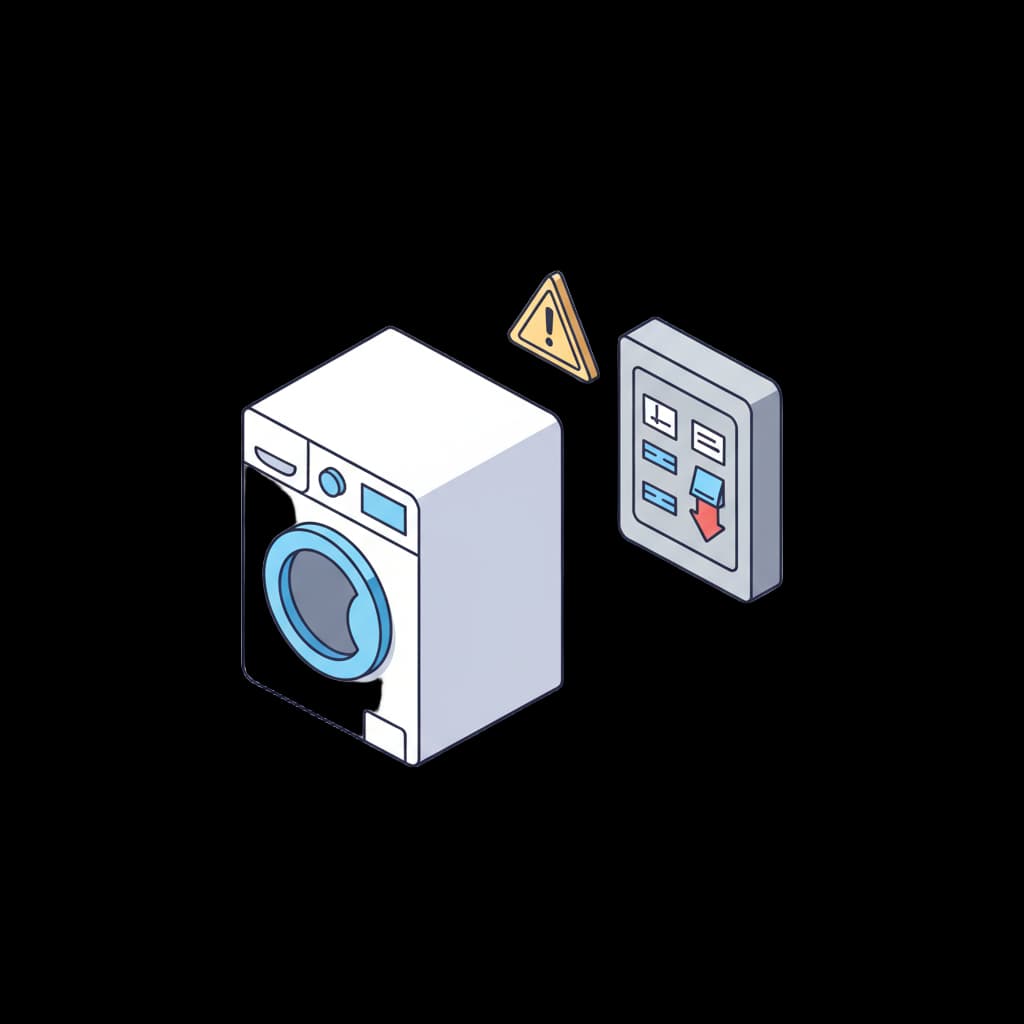
Kitchen power loss is particularly common because kitchens have the highest concentration of heavy-draw appliances. Kitchens may have multiple circuits — a ring main for sockets, a dedicated cooker circuit, and sometimes a dedicated fridge or dishwasher circuit.
Common causes
- Kitchen socket circuit MCB has tripped
- Faulty kitchen appliance causing the circuit to trip
- Water ingress into a socket from a leak or spillage
- Overloaded kitchen circuit from too many appliances
- Cooker connection has become loose
Is it dangerous?
Kitchens combine electricity and water, making faults potentially more dangerous. If there is any sign of water near electrical fittings, turn off the relevant circuit at the consumer unit and do not use it until checked. Never use wet hands to operate switches.
Can I fix it myself?
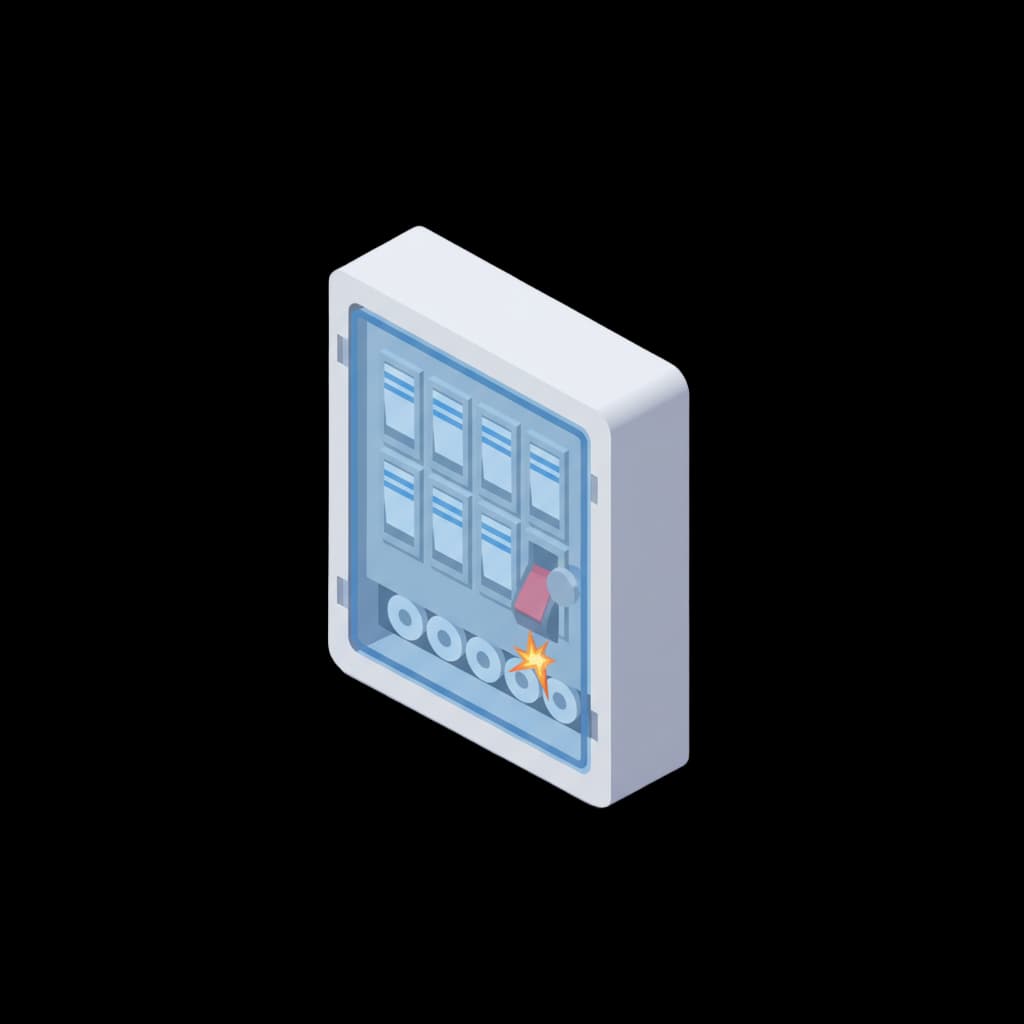
Check the consumer unit for tripped MCBs. Unplug all kitchen appliances and try resetting. Plug items back in one at a time to identify the faulty appliance. Check behind the fridge and dishwasher for signs of water near sockets. Never force a tripped MCB back on.
When to call an electrician
Call an electrician if there is any sign of water near sockets, if the circuit trips with nothing plugged in, if only some sockets in the kitchen are affected, or if the cooker has stopped working (this usually has its own dedicated circuit).
What will an electrician do?
Test all kitchen circuits (socket ring, cooker, dedicated circuits)
Inspect sockets for water damage or contamination
Check the cooker connection unit and cooker isolator
Test appliances to identify any that are faulty
Repair or replace damaged sockets and connections
Typical cost
£80 – £250
Standard fault-finding costs. Cooker circuit repairs may be at the higher end due to the heavier cabling involved.