Cost Breakdown
| Item | Min | Max | Note |
|---|---|---|---|
| Main switch upgrade (like-for-like, no RCD change) | £250 | £400 | Replacing an old or faulty main switch while keeping existing MCBs and RCDs — only suitable when the rest of the consumer unit is in good condition |
| Standard dual-RCD consumer unit | £350 | £500 | Two RCDs protecting groups of circuits, suitable for standard domestic properties with up to 10 ways. The most common upgrade from old fuse boxes |
| Dual-RCD board with SPD (surge protection device) | £450 | £650 | Includes surge protection as now required under BS 7671 18th Edition Amendment 2 for new consumer unit installations |
| Full RCBO consumer unit | £500 | £800 | Individual RCBO on every circuit — if one trips, only that circuit loses power. The best balance of protection, convenience, and value for most homes |
| High-integrity board (RCBOs + AFDDs) | £700 | £1200 | Premium specification with Arc Fault Detection Devices on bedroom and living room circuits, plus full RCBO protection. Highest level of fire and shock protection available |
| 3-phase consumer unit upgrade | £800 | £1500 | For properties with a three-phase supply — larger homes, commercial conversions, and properties with high electrical demand |
| Meter tails upgrade (if required) | £100 | £250 | Older properties may have undersized 16mm tails that need replacing with 25mm tails to meet current standards — your electrician will advise |
| Electrical Installation Certificate (EIC) | £0 | £0 | Should be included in any reputable quote — legally required under Part P building regulations for consumer unit work |
What's Included
- Removal of the old consumer unit and installation of the new one with appropriate RCD, RCBO, or MCB protection for every circuit
- Full testing of all existing circuits for insulation resistance, continuity, earth fault loop impedance, and RCD operation to ensure they are compatible with the new board
- Installation of a Surge Protection Device (SPD) where required under BS 7671 18th Edition Amendment 2
- Clear labelling of every circuit in the new consumer unit for easy identification during future maintenance or emergencies
- An Electrical Installation Certificate (EIC) or Minor Electrical Installation Works Certificate and notification to building control under Part P of the Building Regulations (self-certified by NICEIC/NAPIT/ELECSA registered electricians)
- Making good around the consumer unit — patching screw holes from the old board and ensuring a neat, professional finish
Factors Affecting Cost
- Type of consumer unit — a main switch upgrade (£250-400) costs far less than a full RCBO board (£500-800) or a high-integrity board with AFDDs (£700-1,200), but higher-spec boards provide significantly better protection
- Number of ways required — a 10-way board for a small flat costs less than a 20-way board for a large house or HMO with many circuits. Always specify spare ways for future additions
- Condition of existing wiring — if the electrician discovers issues during testing (such as lack of main earthing, deteriorated cables, or non-compliant circuits), additional remedial work will increase the cost
- Whether the board needs relocating — moving the consumer unit to a different location (for example, from under the stairs to a more accessible position) adds £300-600 in labour and material costs
- Whether meter tails need upgrading — older properties with 16mm tails will need them replaced with 25mm tails, which may also require coordination with the energy supplier (£100-250)
- Whether surge protection (SPD) is included — now required under BS 7671 Amendment 2 for most new consumer unit installations, adding £50-120 to the cost
- Location — London and South East prices are typically 20-30% higher than the national average due to higher labour rates
How Long Does It Take?
A straightforward consumer unit upgrade takes 4-6 hours for a typical domestic property with 8-12 circuits. The power must be completely off for most of this period while the electrician removes the old board, installs the new one, reconnects all circuits, and carries out full testing. If additional work is needed — such as upgrading meter tails, adding main bonding, or remediating non-compliant circuits found during testing — the job can extend to a full day or occasionally two days for large or complex properties. Properties with three-phase supplies take longer due to the additional complexity. Plan for a full day without power and charge devices, fill flasks, and make alternative arrangements for working from home if needed.
Do I Need This?
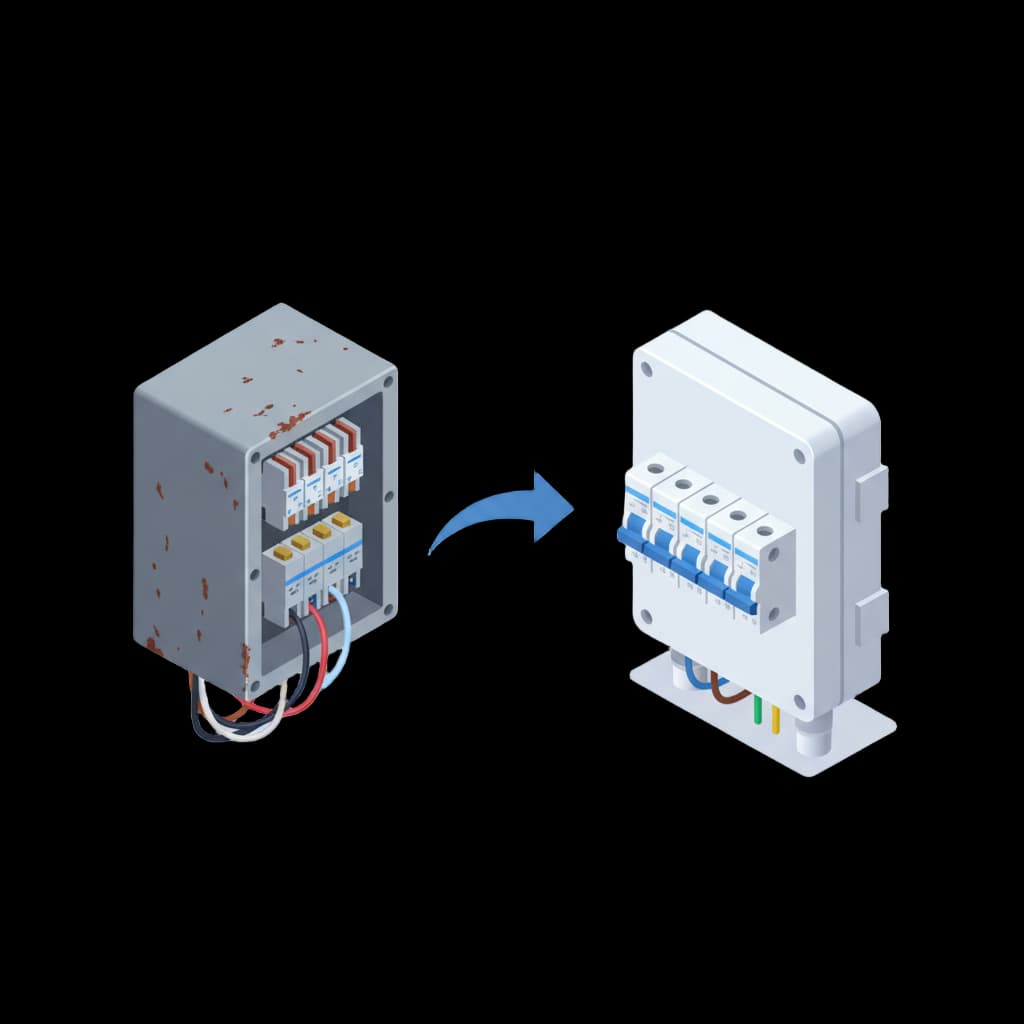
You should consider a consumer unit upgrade if your current board uses rewirable fuses (where you can see the fuse wire), has no RCD protection, is a very old design with a wooden backing board, or has been flagged as unsatisfactory on an EICR. Since January 2019, all new consumer unit installations must be fitted in a non-combustible enclosure (metal housing) under Amendment 3 to BS 7671. If your board is in a plastic enclosure and more than 10 years old, upgrading provides significantly improved fire protection. For landlords, an outdated consumer unit without RCD protection will almost certainly result in an unsatisfactory EICR and may lead to enforcement action. Even for homeowners, upgrading is one of the most cost-effective electrical safety improvements you can make — modern RCDs and RCBOs can detect earth faults in milliseconds and disconnect the supply before a potentially lethal electric shock can occur.
How to Save Money
Choose a dual-RCD board instead of a full RCBO board if budget is the primary concern — both provide RCD protection, and the dual-RCD option is typically £150-£300 cheaper
Get at least 3 quotes from registered electricians and ensure each specifies the same board type, includes certification, and covers building control notification
Combine the consumer unit upgrade with other planned electrical work (adding circuits for an EV charger, new kitchen sockets, or a full EICR) to consolidate labour costs
Ask about the brand of consumer unit being quoted — Hager, Wylex, and Schneider offer solid reliability at mid-range prices, while premium brands like MK or Crabtree cost more but may offer longer warranties
If your electrician identifies additional work needed during the upgrade (such as upgrading earthing or bonding), get the full scope quoted before agreeing — this avoids surprise costs partway through the job
Book during January to March when electricians typically have more availability and may offer more competitive rates
Average Cost Summary
£250–£1200
Typical price range for consumer unit upgrade cost in the UK. Prices may vary based on your location, property type, and specific requirements.
2026 Consumer Unit Prices by Type
Consumer unit costs vary significantly depending on the specification you choose. Here is a quick-reference summary of 2026 prices for the four main types, including installation, testing, and Part P certification:
Main switch upgrade (like-for-like): £250-400 — Only suitable when the existing MCBs and RCDs are in good condition and you simply need to replace a faulty main switch. This is not a full consumer unit replacement.
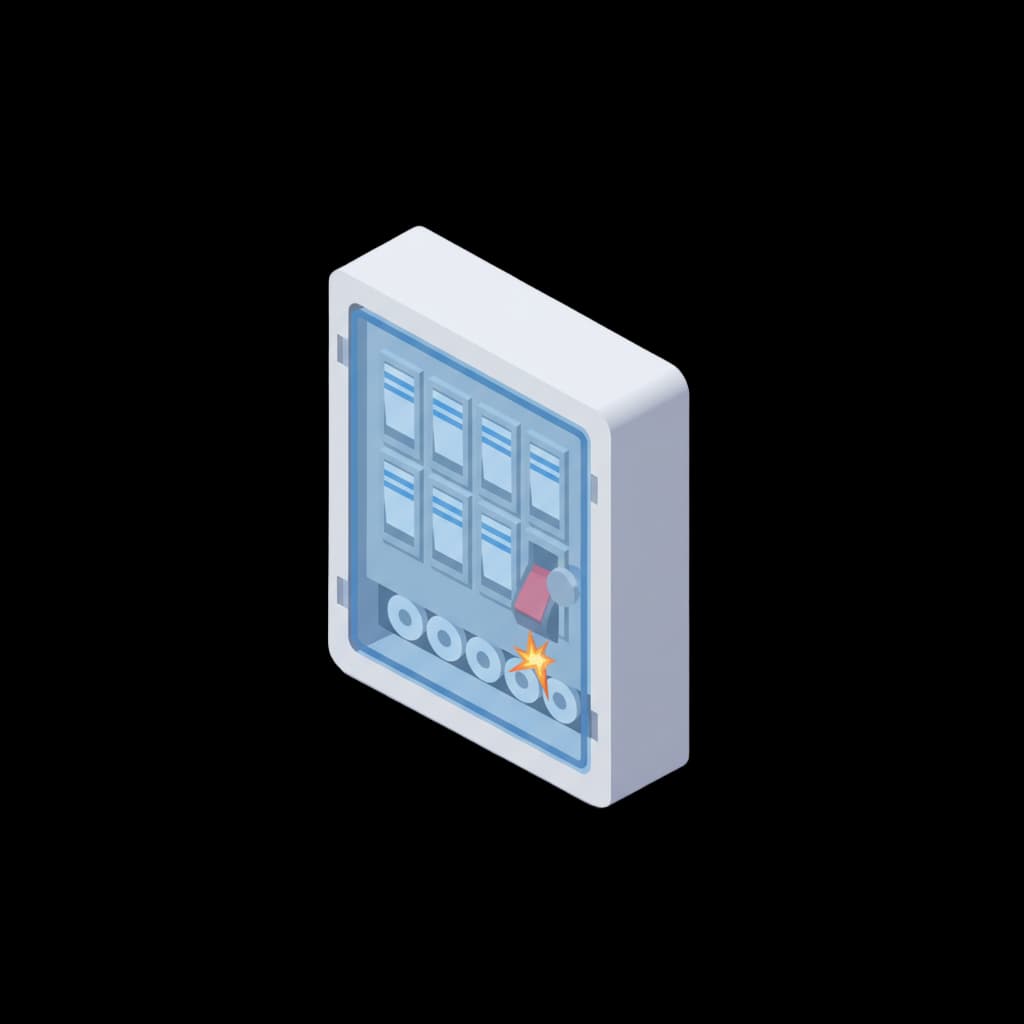
Dual-RCD consumer unit: £350-500 — The most common and cost-effective option. Two RCDs each protect half your circuits. A fault on one circuit can trip the RCD and cut power to several other circuits on the same group. Suitable for most standard domestic properties.
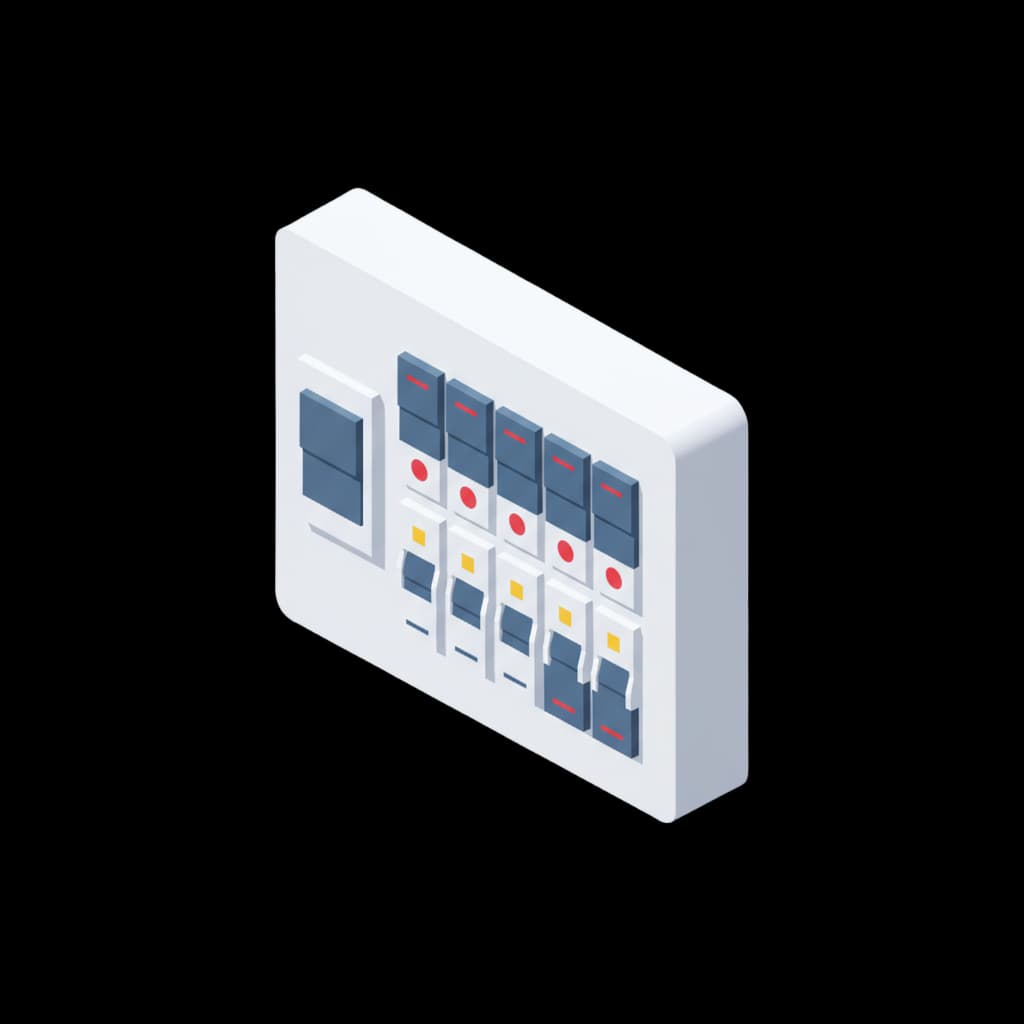
Full RCBO consumer unit: £500-800 — Each circuit has its own individual RCBO, providing completely independent protection. A fault on any one circuit only affects that circuit. This is the recommended choice for most homeowners in 2026, especially those who work from home or have freezers, security systems, or medical equipment.
High-integrity board (RCBOs + AFDDs): £700-1,200 — The premium specification. Adds Arc Fault Detection Devices on bedroom and living room circuits to detect dangerous arc faults (damaged cable insulation, loose connections) that standard MCBs and RCDs cannot detect. Expected to become the standard in future editions of BS 7671.
All prices are for a typical domestic property with 8-12 circuits. London and South East prices are 20-30% higher. For a personalised estimate, try our consumer unit cost calculator at /tools/consumer-unit-cost-calculator.
Which Consumer Unit Type Should You Choose?
Choosing between a dual-RCD, full RCBO, or high-integrity consumer unit comes down to three factors: budget, convenience, and the level of protection you want.
For budget-conscious homeowners upgrading from an old fuse box, a dual-RCD board at £350-500 meets all current regulatory requirements and provides a massive safety improvement over rewirable fuses. The trade-off is that a fault on one circuit can trip the RCD and cut power to several circuits — meaning you might lose half your sockets because one appliance has failed.
For most homeowners in 2026, a full RCBO board at £500-800 represents the best value. The extra £150-300 over a dual-RCD board buys you individual circuit protection — a fault on one circuit only affects that circuit. This is particularly worthwhile if you work from home, have a freezer full of food, run a home office, or have any medical equipment that must not lose power unexpectedly.
For maximum protection, a high-integrity board with AFDDs at £700-1,200 adds arc fault detection on critical circuits. AFDDs can detect dangerous arcing from damaged cables or loose connections — a fire risk that standard MCBs and RCDs cannot identify. While not yet mandatory, AFDDs are recommended under BS 7671 Amendment 2 and are widely expected to become a requirement. If you are upgrading now and want future-proof protection, this is the specification to choose.
Whichever type you select, ensure the board has enough ways for all existing circuits plus 2-3 spare ways for future additions (EV charger, garden office, extension). A 16-way board costs only marginally more than a 12-way but saves you from needing another replacement when you add circuits later.