What is this?
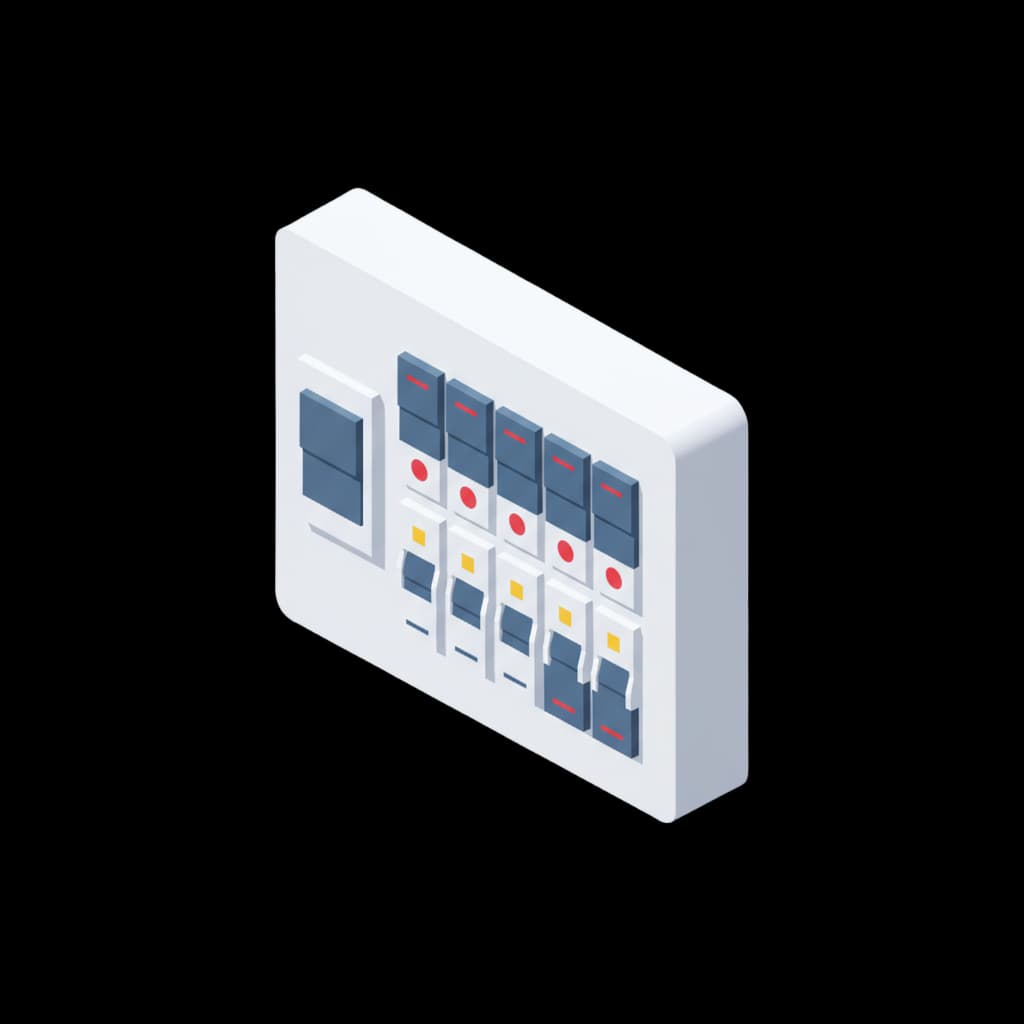
An old fuse box (also called a fuse board) uses rewirable fuses or cartridge fuses rather than modern MCBs (miniature circuit breakers) and RCDs (residual current devices). These older boards lack the safety features of a modern consumer unit — specifically, they do not have RCD protection, which guards against electric shock from earth faults. If your fuse box has a wooden back, cast iron switches, or rewirable fuse carriers, it is almost certainly due for an upgrade.
Common causes
- Property has not been upgraded since it was built (often pre-1990s)
- Fuse box still uses rewirable fuses with fuse wire
- No RCD protection on any circuits
- Board does not have enough ways for the number of circuits needed
- Modifications have been made by adding external RCDs or additional fuse boxes
Is it dangerous?
An old fuse box is not immediately dangerous if the wiring is in good condition, but it provides significantly less protection than a modern consumer unit. Without RCDs, there is no protection against earth faults — the type of fault most likely to cause electric shock. Old rewirable fuses can also be fitted with the wrong rated fuse wire, defeating the overcurrent protection.
Can I fix it myself?
No. Replacing a consumer unit is notifiable work under Part P of the Building Regulations and must be done by a qualified electrician registered with a competent person scheme (such as NICEIC, NAPIT, or ELECSA). The electrician must notify Building Control and issue an Electrical Installation Certificate.
When to call an electrician
Get a quote for a consumer unit upgrade if your fuse box has rewirable fuses, no RCD protection, a wooden back board, or is running out of space for circuits. It is also required when selling a property and may be flagged in a buyer's survey or EICR.
What will an electrician do?
Assess the existing installation and confirm suitability for upgrade
Remove the old fuse box and fit a new 18th Edition consumer unit
Install RCDs or RCBOs to protect all circuits
Test every circuit in the property (insulation resistance, earth fault loop impedance, RCD function)
Label all circuits clearly on the new board
Issue an Electrical Installation Certificate and notify Building Control
Typical cost
£350 – £700
A consumer unit upgrade including testing and certification typically costs £350–£550 for a standard installation. Costs increase if additional circuits are needed or if there are earthing/bonding issues to address.