What is this?
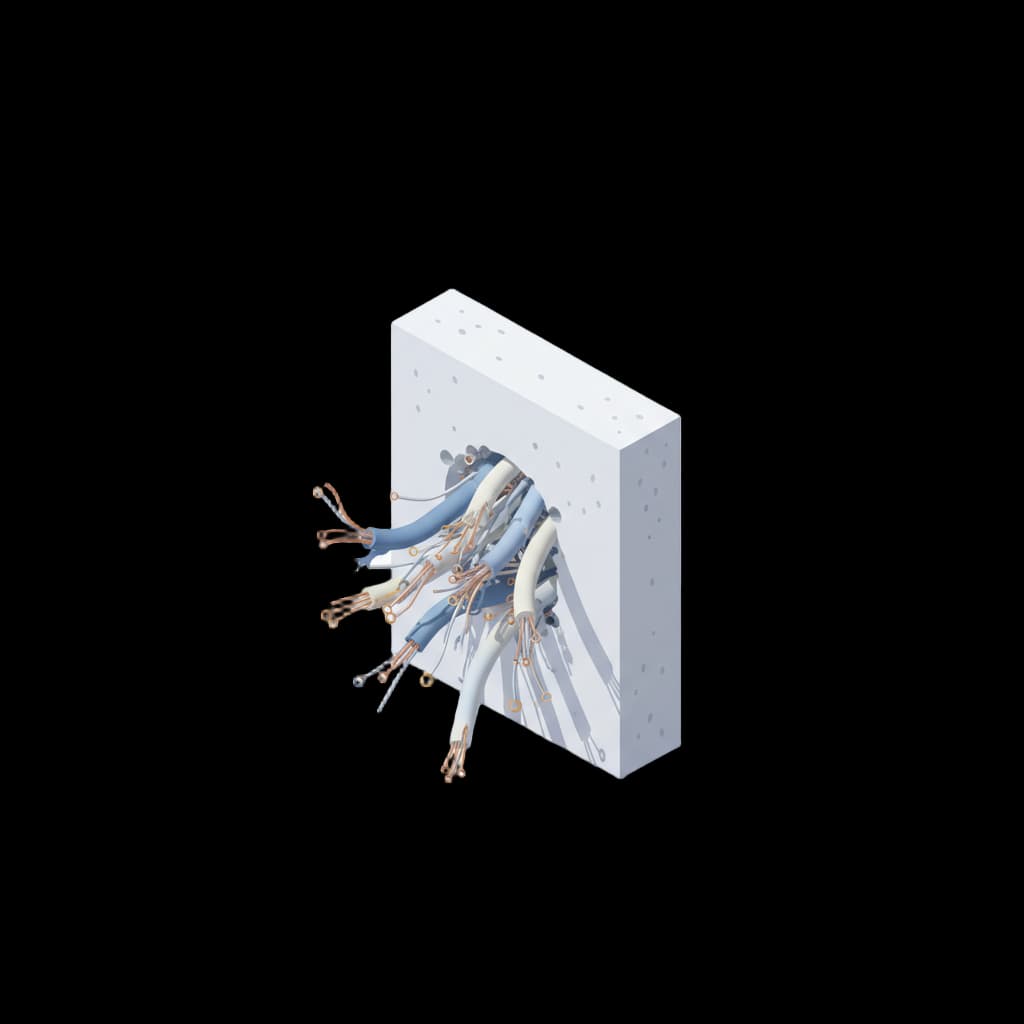
A rewire involves replacing all or most of the electrical cables in your home. Most UK homes need rewiring every 25–30 years. If your property has not been rewired since before the 1990s, it is likely overdue. Warning signs include frequent tripping, flickering lights, burning smells, discoloured sockets, and the presence of old-style round-pin sockets or a fuse box with rewirable fuses.
Common causes
- Wiring is over 25 years old and insulation is degrading
- Property still has original wiring from the 1960s or earlier
- Frequent electrical faults, tripping, or blown fuses
- Previous alterations were done without upgrading the main wiring
- An EICR has returned a C1 (danger present) or C2 (potentially dangerous) classification
Is it dangerous?
Outdated wiring is a significant safety risk. Old cables may lack proper earth protection, have degraded insulation, and may not be rated for modern electrical loads. According to Electrical Safety First, faulty wiring causes around 12,500 house fires in the UK each year. If you see warning signs, do not delay getting an inspection.
Can I fix it myself?
No. Assessing and replacing wiring is skilled work that must comply with BS 7671 and Part P of the Building Regulations. You can, however, look for warning signs yourself: check for old round-pin sockets, look at the wiring in your loft or under floorboards, and note any recurring electrical problems.
When to call an electrician
Book an EICR if your property is over 25 years old and has not been rewired, if you are buying or selling a property, if you are a landlord (it is a legal requirement), or if you have noticed any of the common warning signs. The EICR will tell you exactly what work is needed.
What will an electrician do?
Carry out an EICR to formally assess the installation
Provide a detailed report with observations and recommended actions
Quote for a full or partial rewire based on the findings
Remove old cables and install new PVC twin-and-earth to current standards
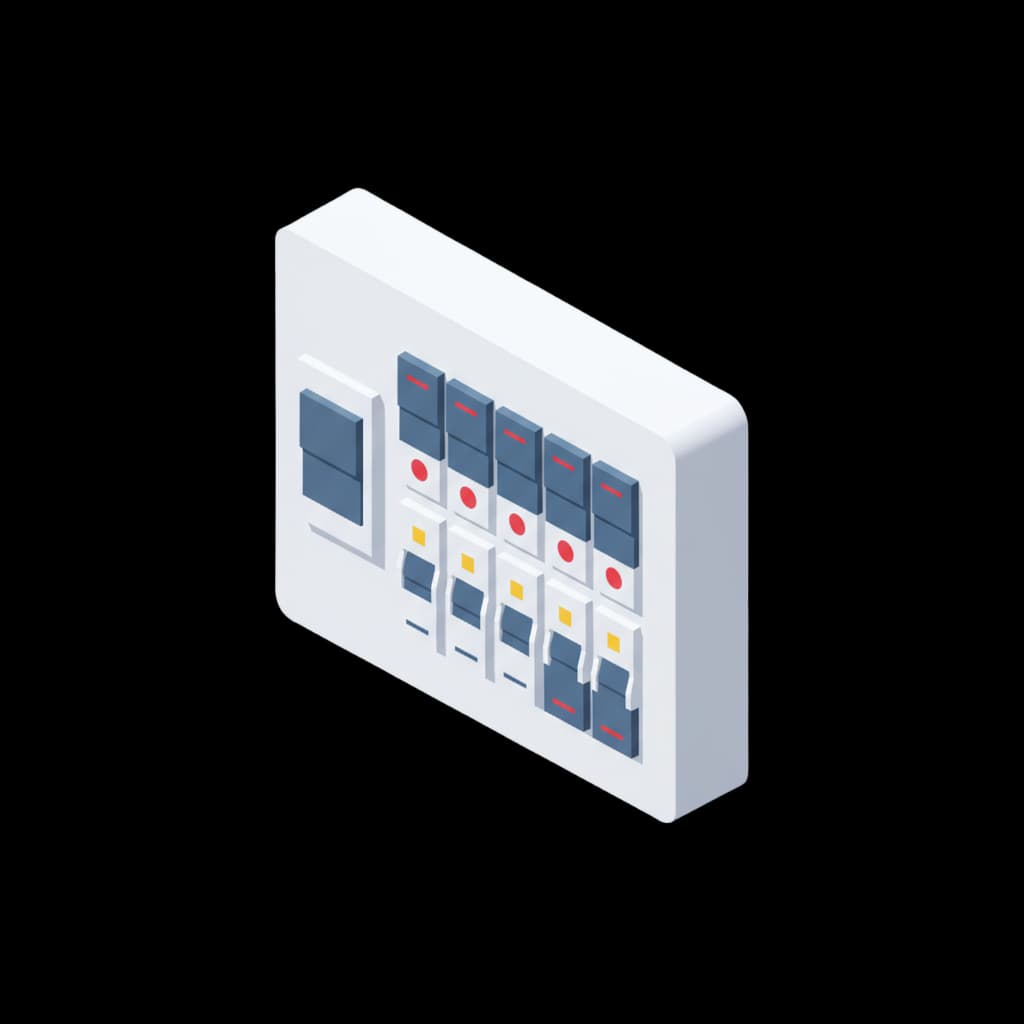
Fit a new consumer unit with RCD or RCBO protection
Test and certify the completed installation
Typical cost
£3500 – £9000
Full rewire depends on size: 1-bed flat £2,500–£3,500, 3-bed semi £4,500–£6,500, 4-bed detached £6,000–£9,000. An EICR alone costs £150–£300.