What is this?
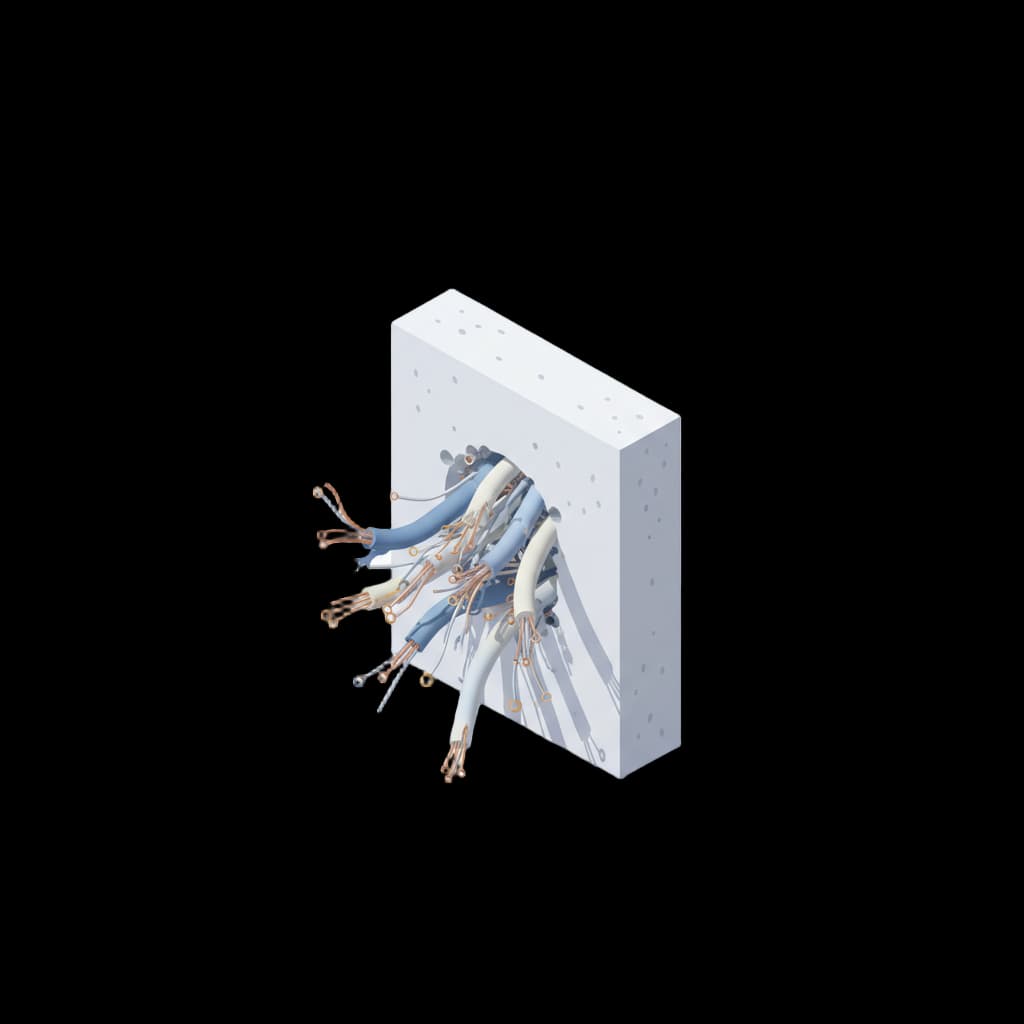
Cloth and rubber wiring was commonly used in UK homes built before the 1960s. The insulation on these cables degrades over time, becoming brittle and crumbling away. This exposes the live conductors and creates serious risks of electric shock and fire. If your home still has cloth or rubber wiring, it almost certainly does not meet current BS 7671 wiring regulations.
Common causes
- Property was built before the 1960s and has never been rewired
- Previous electricians ran new circuits but left old wiring in place
- Wiring is in a loft or underfloor void where insulation has degraded faster due to heat
- Rubber insulation has perished with age, leaving bare conductors
- Extensions or alterations were connected to the original wiring
Is it dangerous?
Yes, old cloth and rubber wiring is dangerous. The insulation breaks down over time and can crumble when touched, exposing live conductors. This creates a significant risk of electric shock and fire. The wiring will also lack an earth conductor (CPC), meaning there is no protection against earth faults. This is a serious safety concern that should be addressed urgently.
Can I fix it myself?
No. You should not attempt any work on old cloth or rubber wiring. Do not disturb it, pull it, or try to re-insulate it. Avoid overloading circuits on old wiring — do not use high-power appliances or multi-socket adapters. The only proper solution is a full or partial rewire by a qualified electrician.
When to call an electrician
Call an electrician as soon as you discover cloth or rubber wiring. If the insulation is visibly crumbling or you can see bare conductors, treat it as urgent. An Electrical Installation Condition Report (EICR) will confirm the extent of the problem and what work is needed.
What will an electrician do?
Carry out an EICR to assess the condition of all wiring in the property
Identify which circuits still use old cloth or rubber-insulated cables
Recommend a full or partial rewire depending on the extent of old wiring
Install new PVC-insulated cables to current BS 7671 standards
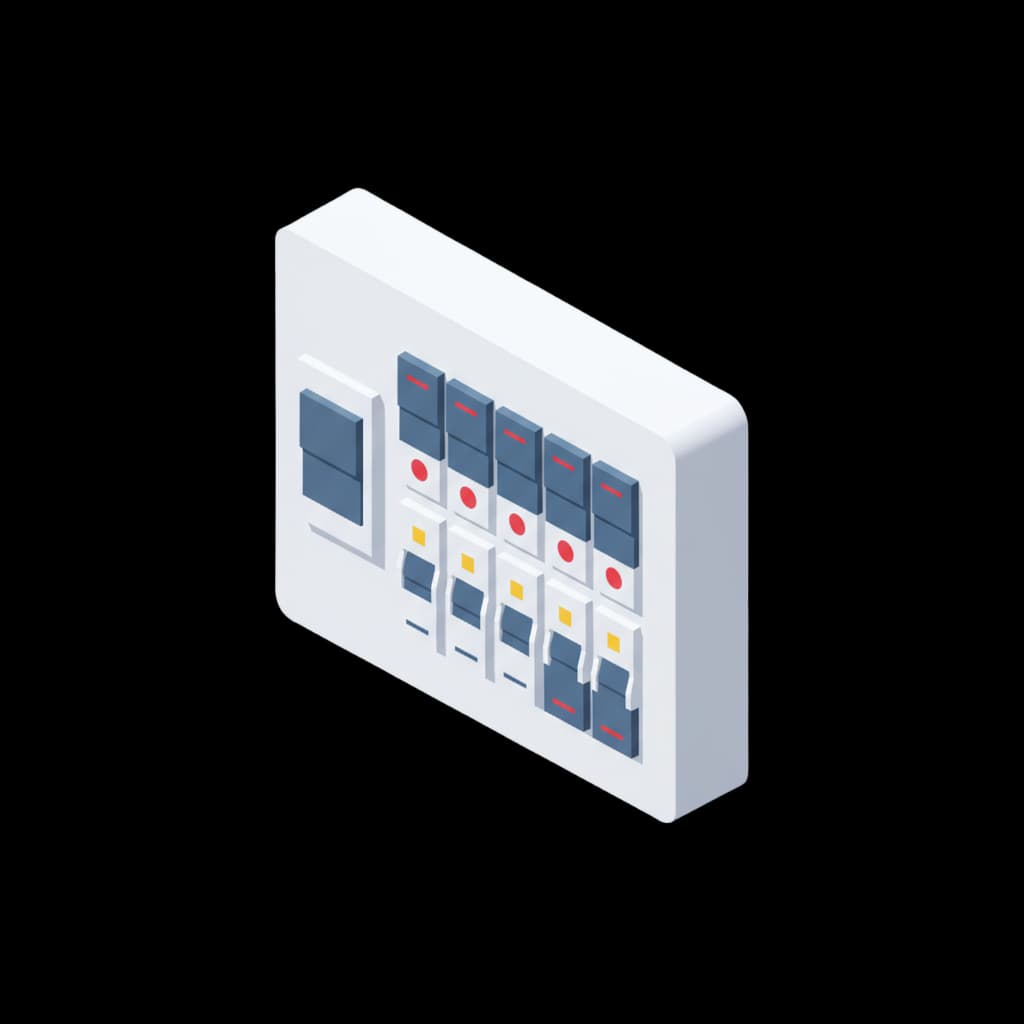
Fit a modern consumer unit with RCD protection
Issue an Electrical Installation Certificate on completion
Typical cost
£3000 – £8000
Full rewire costs depend on property size. A 2-bed flat is typically £3,000–£4,500; a 3-bed house £5,000–£8,000. Partial rewires for specific circuits cost less.