What is this?
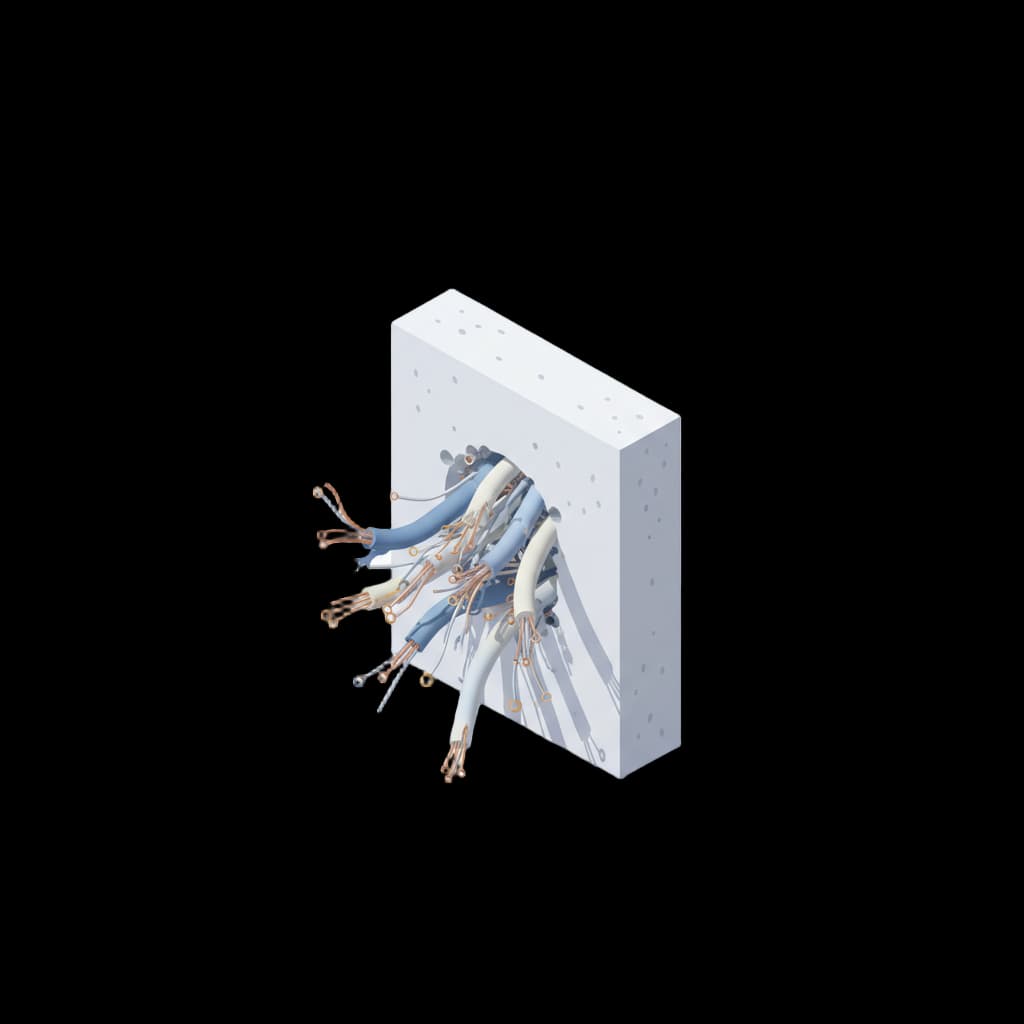
Aluminium wiring was used in some UK homes during the 1960s and 1970s as a cheaper alternative to copper. While aluminium is a reasonable conductor, it expands and contracts more than copper when heated, which causes connections to loosen over time. Loose connections create hot spots that are a serious fire risk. Aluminium also oxidises, increasing resistance at terminations.
Common causes
- Property was built or wired during the 1960s–1970s when aluminium was used
- Council housing and social housing from that era commonly used aluminium
- Aluminium cables were used on socket circuits to reduce material costs
- Connections have loosened over decades of thermal cycling
- Copper and aluminium have been mixed at connections without proper anti-oxidant compound
Is it dangerous?
Aluminium wiring is a known fire risk, primarily at connection points. The aluminium expands when carrying current and contracts when it cools, gradually working connections loose. Loose connections overheat and can ignite surrounding materials. This risk increases with age. Aluminium wiring combined with copper terminations (without proper treatment) accelerates corrosion and increases the danger.
Can I fix it myself?
No. Do not attempt to work on aluminium wiring. Aluminium requires special connectors, anti-oxidant compound, and torque settings that are different from copper. Standard copper-rated connectors used on aluminium will almost certainly become loose and overheat. Any work on aluminium wiring must be done by a qualified electrician experienced with this material.
When to call an electrician
Call an electrician if you discover or suspect aluminium wiring in your property, if you notice warm or discoloured sockets or switches, if you smell burning from electrical fittings, or if an EICR has identified aluminium wiring. An experienced electrician can advise on whether to rewire or treat the connections.
What will an electrician do?
Identify the extent of aluminium wiring throughout the property
Inspect all connection points for signs of overheating or looseness
Apply anti-oxidant compound and re-torque connections using aluminium-rated connectors
Install copper pigtails at connection points where appropriate
Recommend a full or partial rewire if the aluminium cables are in poor condition
Issue an EICR documenting the findings and any remedial work
Typical cost
£200 – £8000
Treating connections at termination points is cheaper (£200–£600). A full rewire to replace all aluminium with copper costs £3,000–£8,000+ depending on property size.