What is this?
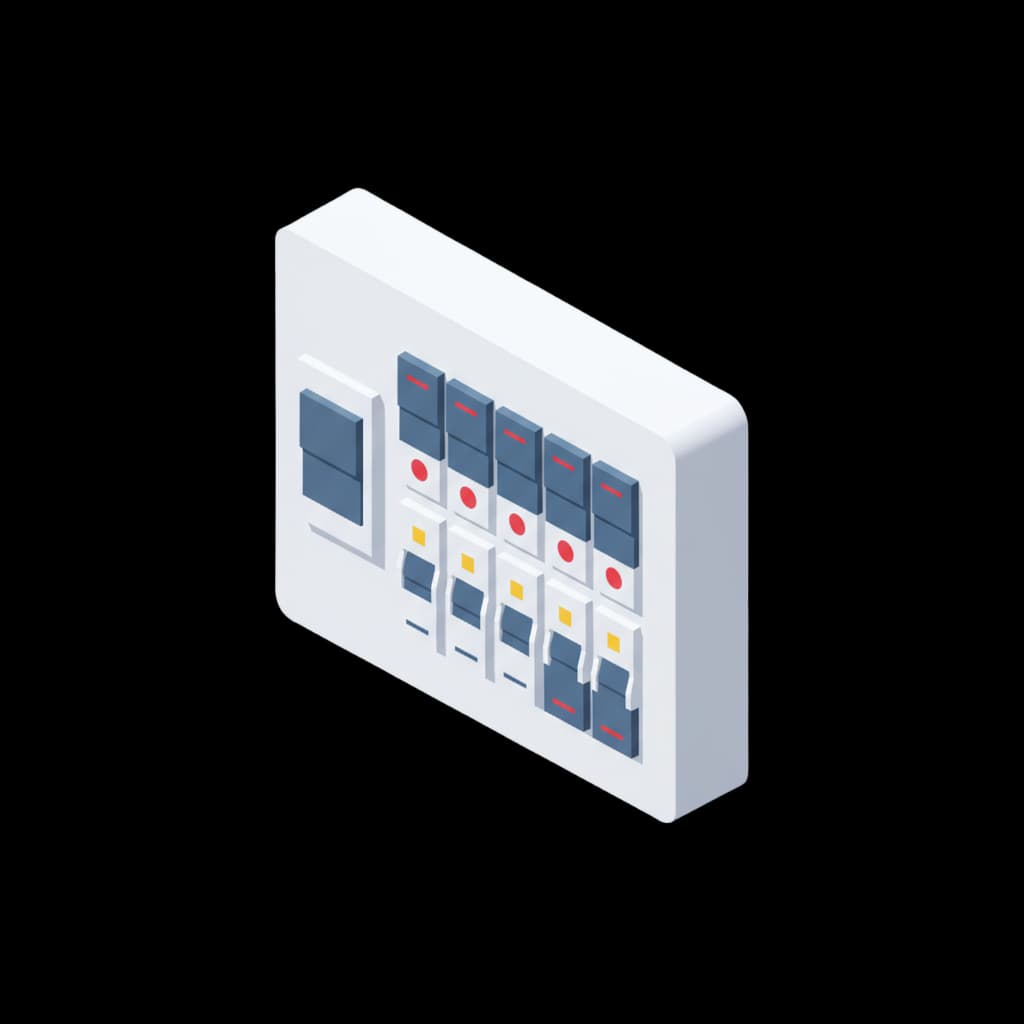
A fuse box that needs upgrading may still be working, but it is not providing the level of protection required by modern standards. Common signs include rewirable fuses, no RCD protection, frequent tripping, inability to add new circuits, physical damage, or having failed an EICR. Upgrading to a modern consumer unit brings your installation in line with the current 18th Edition of BS 7671.
Common causes
- Board is over 25 years old and uses outdated protection devices
- EICR has identified the consumer unit as unsatisfactory (C2 or C3 codes)
- No space to add circuits for new installations (EV charger, extension, etc.)
- RCD protection is absent or only partial
- Board has been modified with external add-on RCDs or secondary fuse boxes
- Physical damage, burn marks, or corrosion visible on the board
Is it dangerous?
An outdated fuse box is a passive danger — it may work under normal conditions but fail to protect you adequately when a fault occurs. Without RCD protection, earth faults that could cause lethal electric shock may not be detected. Rewirable fuses can be fitted with incorrect fuse wire, defeating overcurrent protection.
Can I fix it myself?
No. Consumer unit replacement is notifiable under Part P of the Building Regulations and must be carried out by a registered electrician. The work requires isolating the mains supply, which involves working near live components at the meter.
When to call an electrician
Contact an electrician for a quote if you recognise any of the signs above. Many electricians offer free assessments. An upgrade is particularly advisable if you are adding circuits, letting a property, selling a property, or have had an EICR recommend it.
What will an electrician do?
Survey the existing installation to specify the correct replacement board
Isolate the supply and remove the old fuse box
Install a new 18th Edition consumer unit with MCBs and RCD/RCBO protection
Reconnect all circuits and test each one to BS 7671 standards
Issue an Electrical Installation Certificate
Notify Building Control (included in the registration scheme)
Typical cost
£350 – £650
Standard consumer unit upgrade with testing and certification. RCBO boards cost £100–£200 more than dual-RCD boards. Add £50–£100 if earthing and bonding needs upgrading.