What is this?
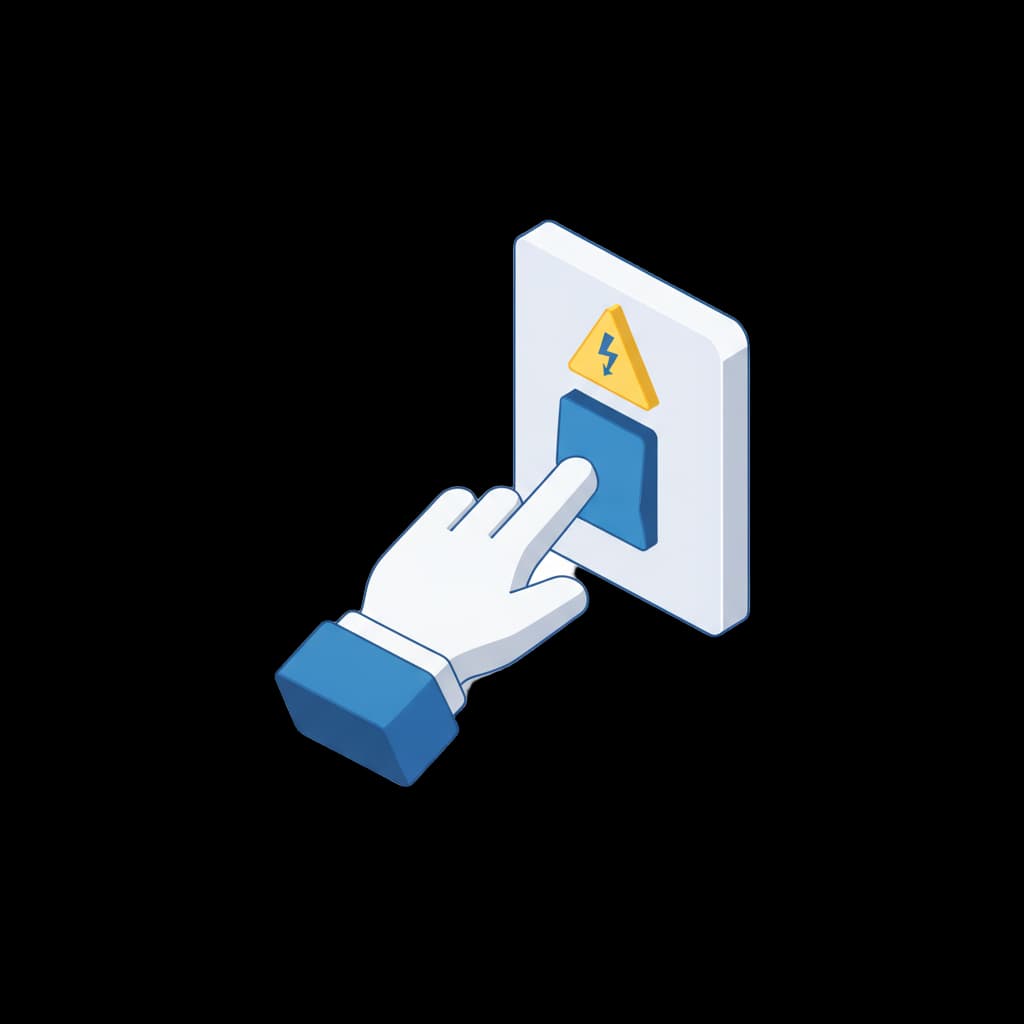
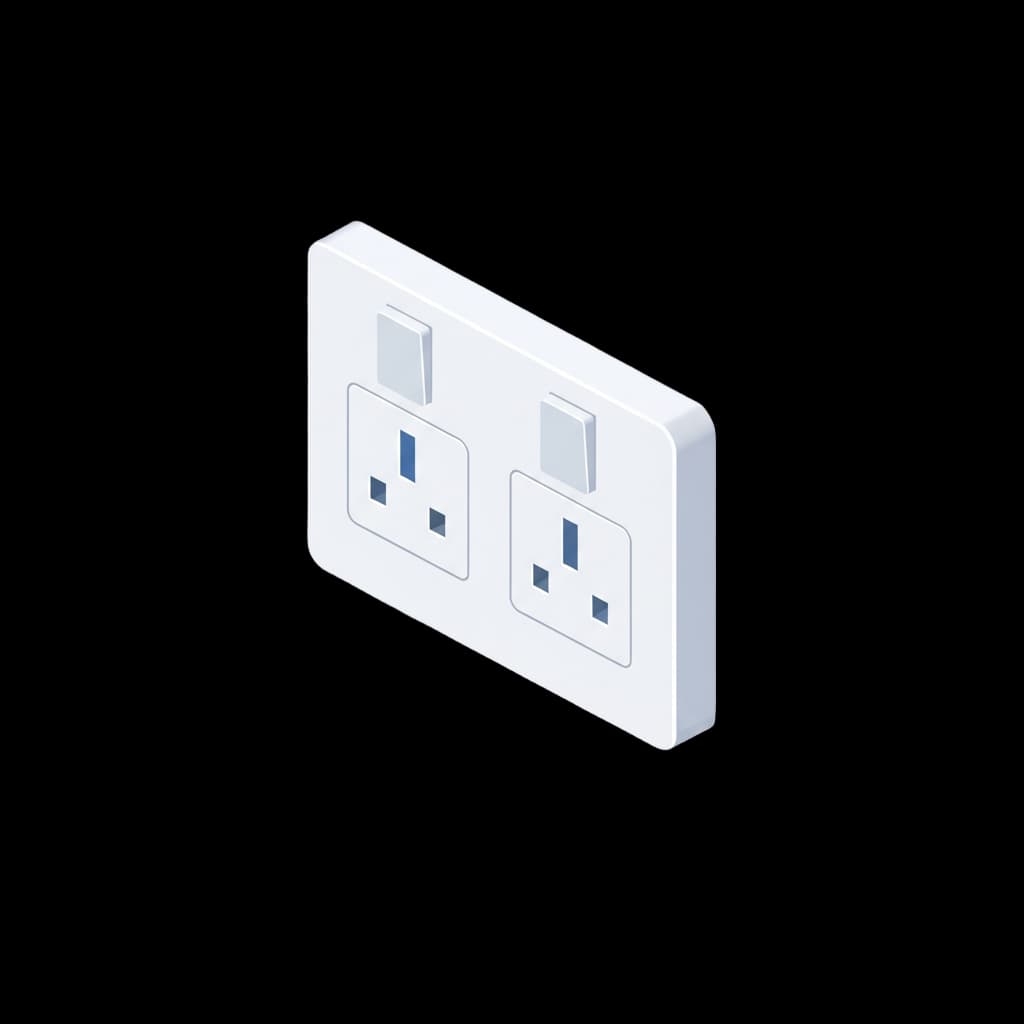
A shock from a plug socket means there is a fault causing the socket faceplate or the area around it to become live. UK sockets have shuttered openings designed to prevent accidental contact with live parts, but a wiring fault inside the socket can energise the faceplate itself, particularly if it is a metal socket with a faulty earth. Shocks while inserting or removing plugs may also indicate damaged or worn socket contacts.
Common causes
- Loose or disconnected earth wire inside the socket
- Damaged insulation on cables behind the socket
- Cracked or damaged socket allowing access to live terminals
- Incorrectly wired socket with live and earth reversed
- Worn or damaged socket contacts causing arcing
Is it dangerous?
This is dangerous. A socket carrying mains voltage on its faceplate can deliver a serious shock. Children are particularly at risk if they touch sockets at their height. If the shock occurred while inserting a plug, there may be damage to the socket contacts that could also cause overheating and fire risk.
Can I fix it myself?
Do not use the socket. Turn off the circuit at the consumer unit and do not plug anything into the socket. If the socket is visibly damaged, cracked, or discoloured, that confirms a fault. Do not remove the faceplate to look inside — leave this to a qualified electrician.
When to call an electrician
Call an electrician promptly. A socket that gives shocks needs professional inspection and likely replacement. If you have received shocks from multiple sockets, the earthing on the circuit may be compromised, which is a more serious issue requiring urgent attention.
What will an electrician do?
Isolate the circuit and remove the socket faceplate
Inspect all connections and the condition of the cable
Test earth continuity, polarity, and insulation resistance
Replace the socket and repair any damaged wiring
Test the RCD protection for the circuit
Typical cost
£80 – £180
A socket replacement with testing is at the lower end. If multiple sockets or the circuit earthing need attention, costs will be higher.