What is this?
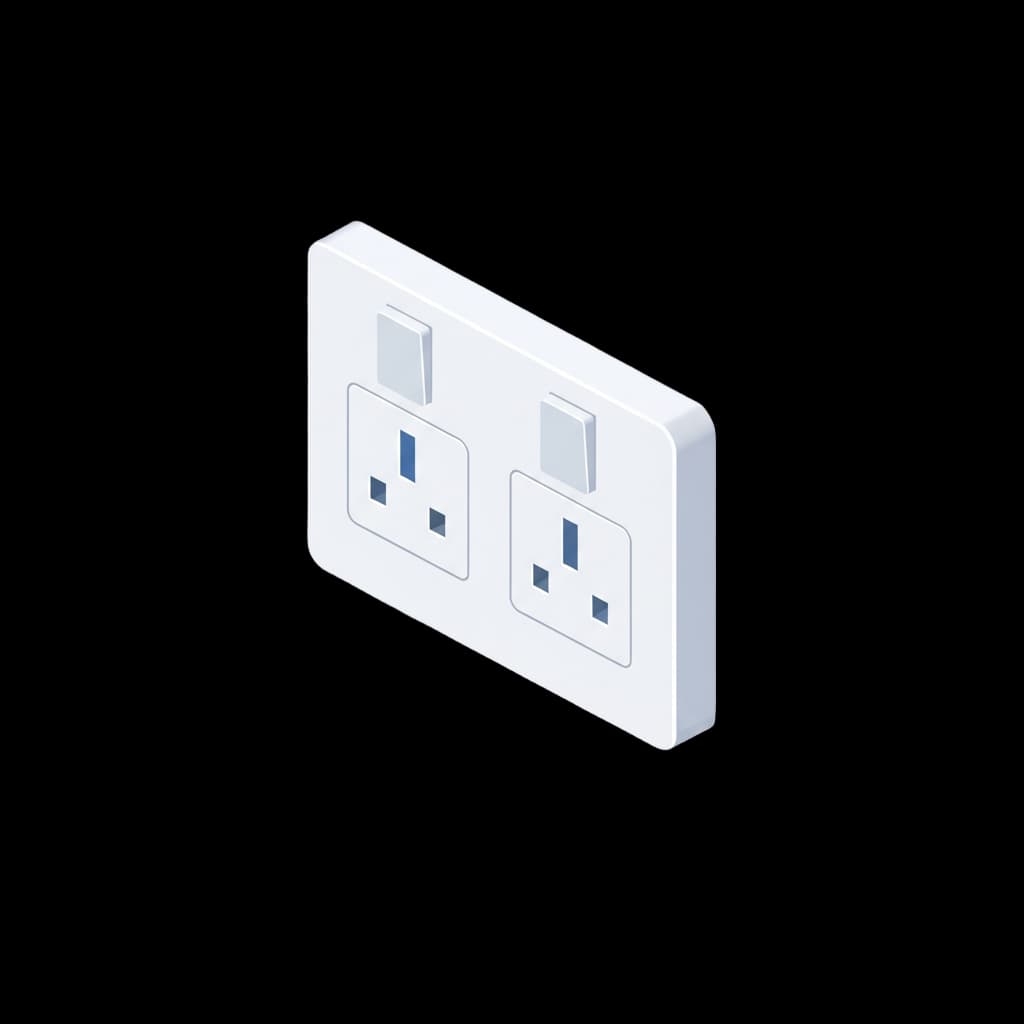
A loose socket is one where the faceplate is not securely fixed to the wall. When you insert or remove a plug, the whole socket moves. This is a common issue in UK homes and is often caused by the mounting screws working loose over time, the back box (the metal or plastic box behind the faceplate recessed into the wall) becoming loose, or the plasterwork around the socket deteriorating. While it seems cosmetic, a loose socket can be a genuine safety concern.
Common causes
- Mounting screws have worked loose from repeated plug insertion and removal
- The metal back box in the wall has come away from the brickwork
- Plaster around the socket has crumbled, leaving nothing solid for screws to grip
- The back box lugs (screw points) have stripped or broken
- Socket was not securely fitted during original installation
Is it dangerous?
A loose socket is a moderate risk. When the faceplate moves, it can strain the wire connections behind it, causing them to work loose. Loose connections create arcing, which generates heat and can start a fire. A loose socket also increases the risk of the plug not making full contact, which causes overheating at the plug and socket interface.
Can I fix it myself?
If you are confident working safely, you can tighten the two faceplate screws (the ones visible on the front of the socket) with a screwdriver. Turn off the circuit at the consumer unit first. If the screws tighten but the socket is still loose, the back box behind has failed and needs replacing — this is an electrician's job. Do not force the screws or over-tighten them.
When to call an electrician
Call an electrician if tightening the faceplate screws does not fix the wobble, if the back box is visibly damaged, if the plaster around the socket is crumbling, or if the socket has been loose for a long time and you are concerned about the connections behind it.
What will an electrician do?
Remove the faceplate and inspect the back box and wiring connections
Replace the back box if the lugs are stripped or the box is damaged
Repair the plasterwork around the socket if it has deteriorated
Check and re-make all wire connections to ensure they are tight
Refit the faceplate securely and test the socket
Typical cost
£60 – £150
A simple back box replacement is a quick job. If multiple sockets need attention or plaster repairs are required, costs will be at the higher end.