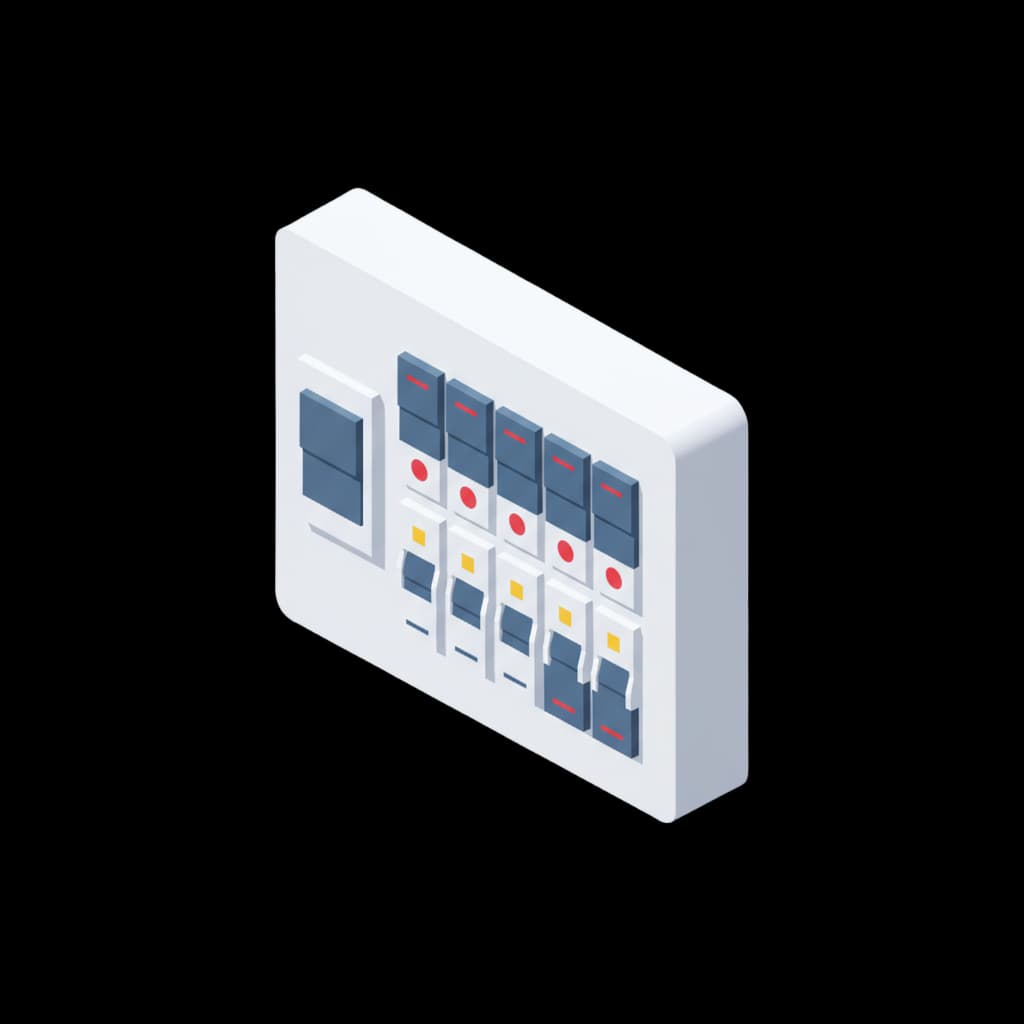
What is this?
A consumer unit that is noticeably warm or hot to the touch has an internal fault causing excessive heat generation. This is most commonly caused by a loose connection — electricity flowing through a high-resistance connection generates heat. A hot consumer unit is a fire hazard because the heat can melt plastic components, damage cable insulation, and in the worst case, ignite surrounding materials.
Common causes
- Loose terminal connection on the main switch, MCB, or busbar
- Overloaded circuit drawing more current than the components are rated for
- Corroded or oxidised connections increasing resistance
- Faulty MCB or RCD with high internal resistance
- Undersized main tails (cables from the meter to the consumer unit)
Is it dangerous?
This is an emergency. A hot consumer unit means there is excessive heat being generated, which is a direct fire risk. If the unit is too hot to comfortably rest your hand on, or if you can smell burning or see discolouration, turn off the main switch immediately and call an emergency electrician. Do not delay — consumer unit fires can develop quickly.
Can I fix it myself?
No. Turn off the main switch to stop current flow and reduce heat. Do not open the consumer unit cover. If you can smell burning or see smoke, also turn off the main switch on the meter (if accessible) and call the fire brigade if you believe there is an active fire. Call an emergency electrician.
When to call an electrician
Call an emergency electrician immediately. A hot consumer unit is a fire risk and should never be left until the next day. While you wait, keep the main switch off and monitor the unit for any signs of smoke or further heating.
What will an electrician do?
Isolate the supply and allow the unit to cool before inspection
Remove the cover and use thermal imaging to identify the heat source
Check every connection for tightness and signs of overheating (discolouration, melted plastic)
Replace any damaged components — MCBs, RCDs, busbars, or the entire consumer unit if necessary
Re-torque all connections to correct specifications
Test all circuits and monitor temperatures after restoring power
Typical cost
£100 – £700
Emergency callout with connection tightening at the lower end. If the consumer unit is heat-damaged and needs full replacement, expect £400–£700 including testing.