What is this?
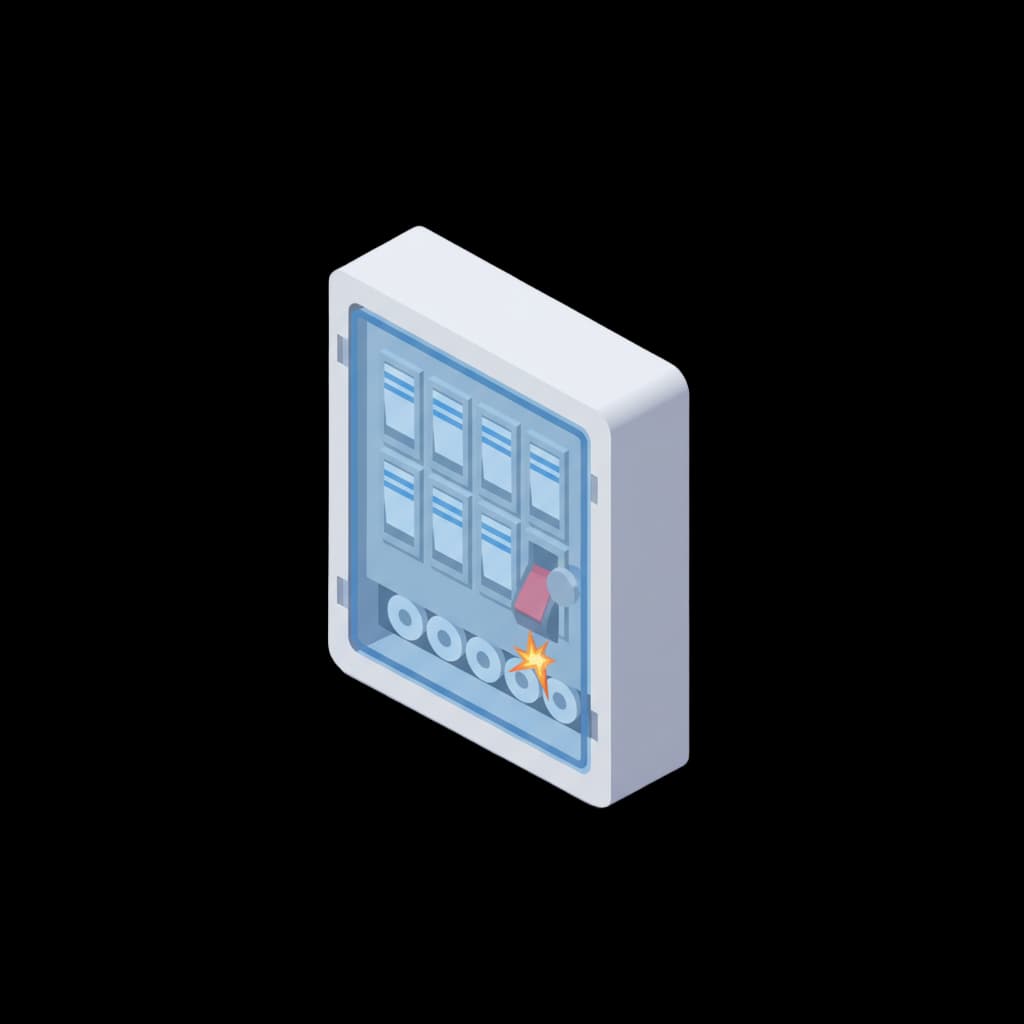
When the downstairs circuit keeps tripping, the fault is in the ground floor wiring or in an appliance used downstairs. Downstairs circuits typically carry heavier loads because they include the kitchen, utility room, and living room, where most high-draw appliances are located.
Common causes
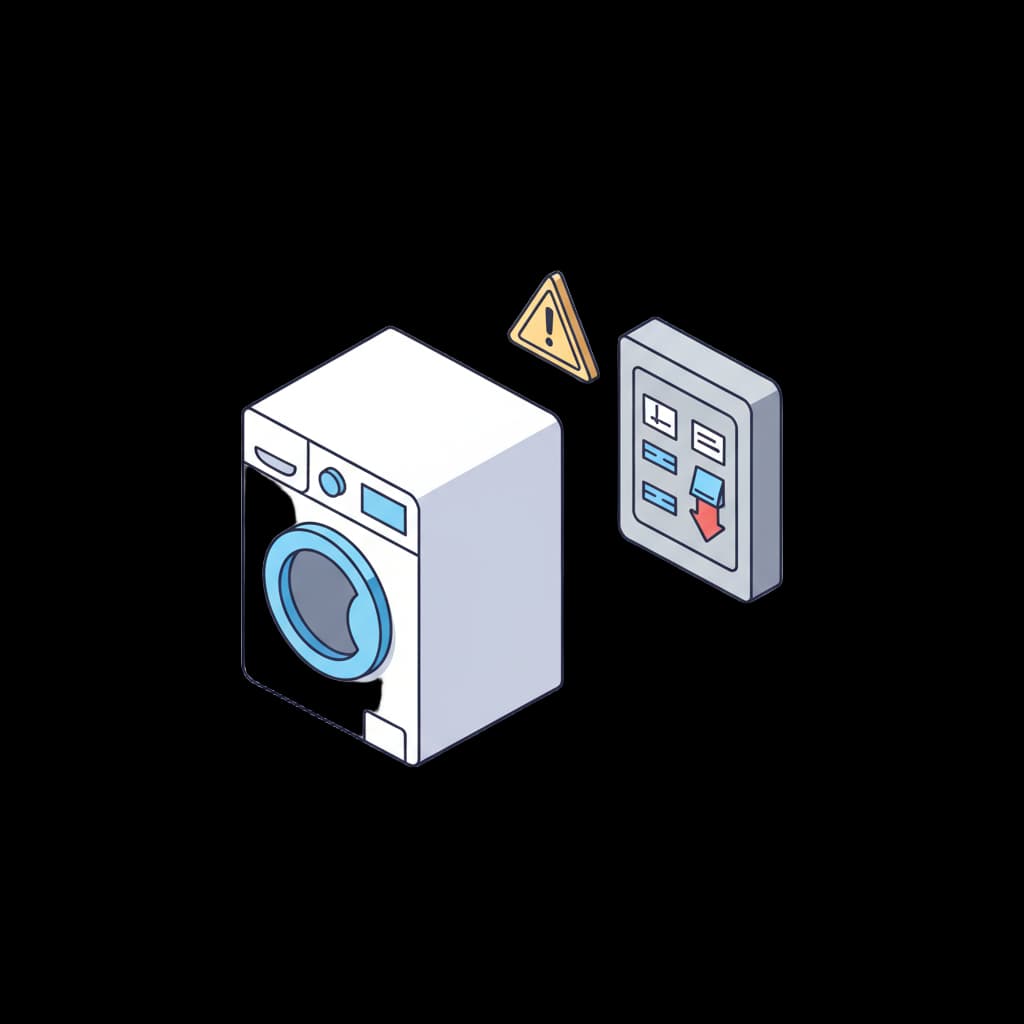
- Faulty kitchen appliance such as a dishwasher, washing machine, or kettle
- Overloaded ring circuit from multiple high-draw appliances running simultaneously
- Water ingress into a socket behind a kitchen appliance
- Faulty outdoor socket or garden equipment connected to the downstairs circuit
- Damaged cable under the ground floor, especially in properties with suspended floors
- Extension lead or multi-plug adapter that is overloaded or faulty
Is it dangerous?
Downstairs circuits carry heavy loads, so overload faults are common. The combination of kitchen water sources and high-draw appliances makes the downstairs particularly prone to faults. An overloaded circuit can cause cables to overheat.
Can I fix it myself?
Check which MCB has tripped. Unplug all appliances downstairs, including those behind kitchen units (dishwasher, washing machine, tumble dryer). Reset the MCB. If it holds, plug items back one at a time, starting with the lowest-draw items. Pay attention to any appliance that causes the trip when plugged in, even before switching it on.
When to call an electrician
Call an electrician if the circuit trips with nothing plugged in, if you have trouble accessing appliances behind kitchen units, if the fault started after recent building work, or if you cannot narrow down the cause. Also call if the downstairs ring circuit has never been tested — older properties often have wiring issues hidden behind fitted kitchens.
What will an electrician do?
Test the downstairs ring circuit for continuity and correct wiring
Carry out insulation resistance tests to locate earth faults
Check the loading on the circuit and identify if it is overloaded
Inspect sockets behind kitchen appliances for water damage or loose connections
Repair the fault and advise on load management if the circuit is overburdened
Recommend a dedicated circuit for high-draw appliances if needed
Typical cost
£100 – £250
Kitchen-related faults may take longer to diagnose because of access difficulties. Costs increase if appliances need pulling out or kitchen units need removing.