What is this?
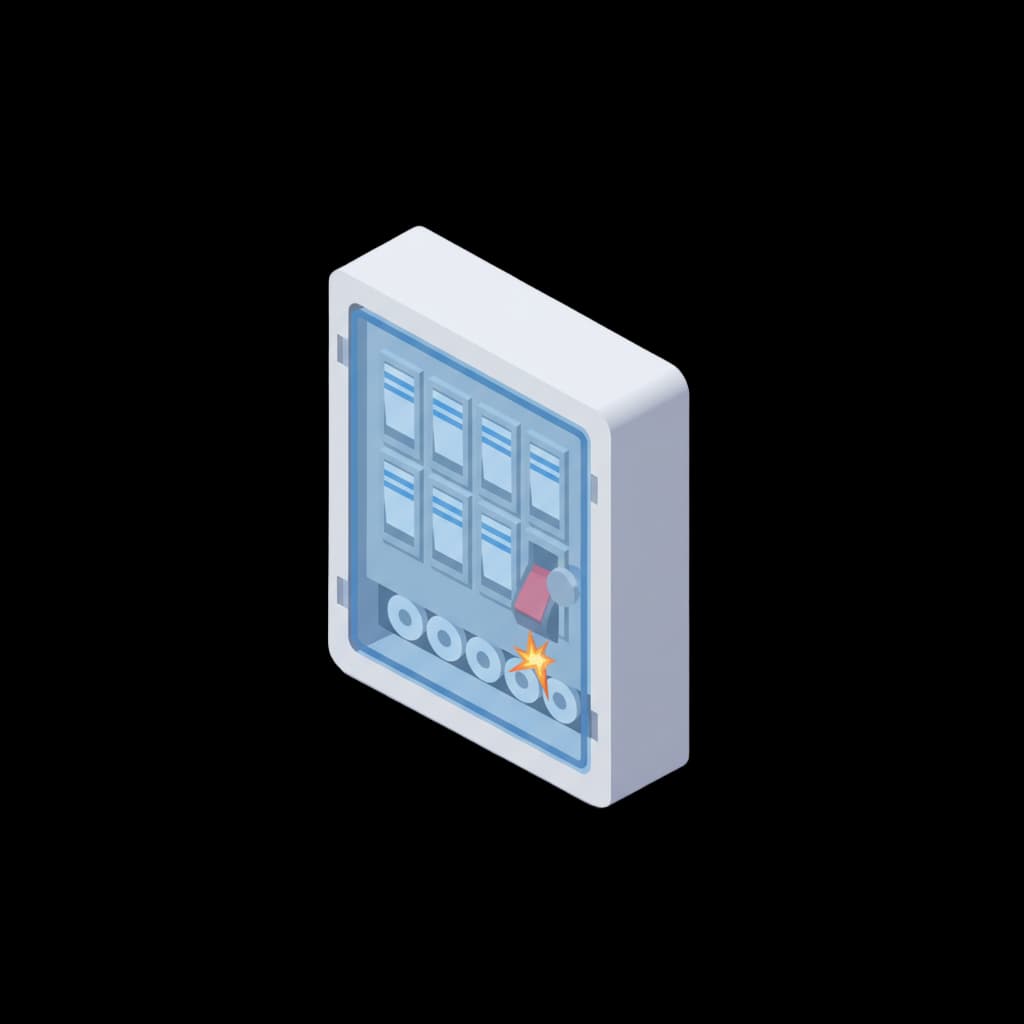
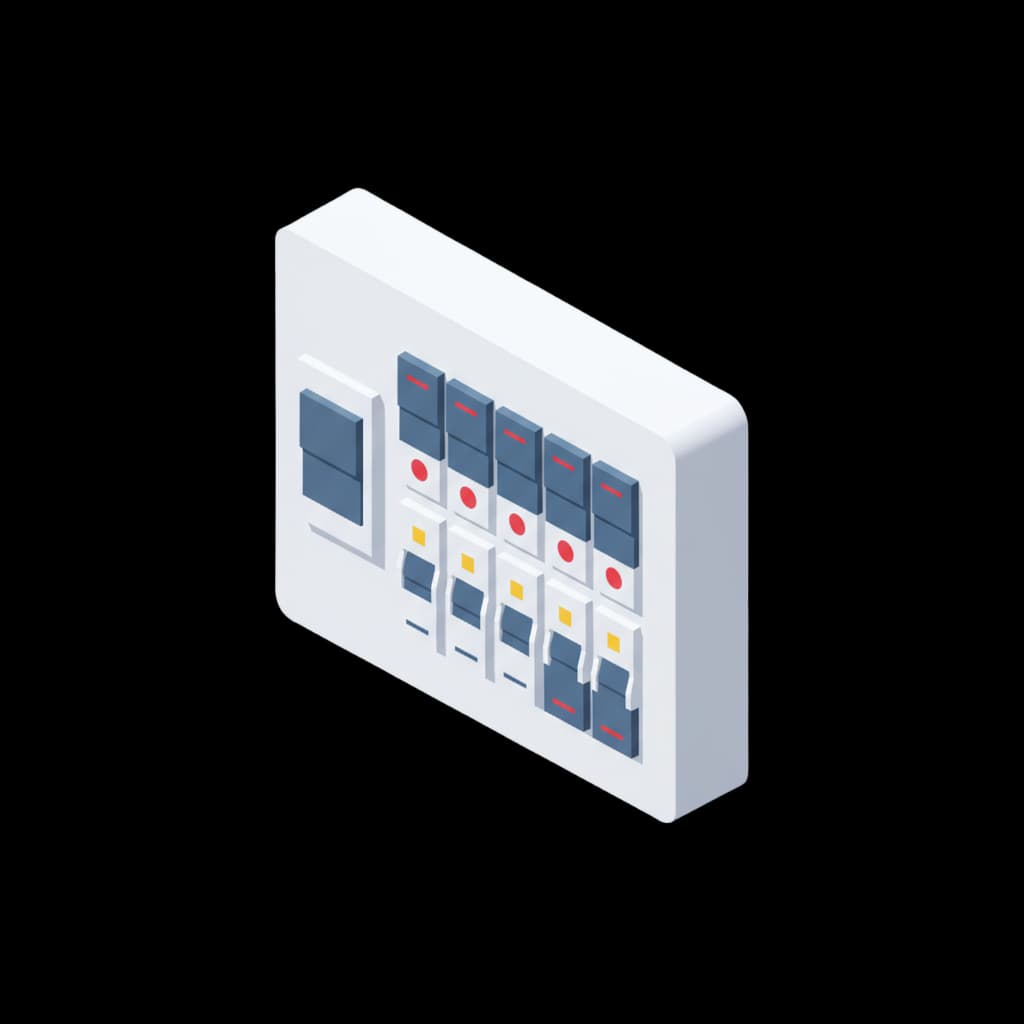
If you have an older-style fuse box with rewirable or cartridge fuses rather than modern MCBs, a fuse that keeps blowing indicates the same types of faults as a tripping circuit breaker: overload, short circuit, or earth fault. Plug-top fuses (the small fuses inside 13A plugs) can also blow repeatedly if the appliance is faulty.
Common causes
- Overloaded circuit drawing more current than the fuse rating
- Short circuit in the wiring or an appliance
- Incorrect fuse rating fitted (too low for the circuit or appliance)
- Deteriorating cable insulation causing intermittent faults
- Using a rewirable fuse with the wrong wire gauge
- Faulty appliance with an internal short circuit
Is it dangerous?
Rewirable fuse boxes are less safe than modern MCBs because the fuse wire can be replaced with the wrong rating, and the fuse box may lack RCD protection. If you are repeatedly replacing fuse wire, you are dealing with an unresolved fault that could be dangerous. Never use a higher-rated fuse wire to stop it blowing — this removes the protection.
Can I fix it myself?
For plug-top fuses, check the fuse rating matches the appliance (3A for appliances up to 700W, 13A for higher-draw items). Replace with the correct rating. For fuse box fuses, if you know how to safely replace rewirable fuse wire, you can replace it with the correct rating wire — but if it blows again, stop and call an electrician. Never use any other wire or material as a substitute for proper fuse wire.
When to call an electrician
Call an electrician if a fuse blows more than once, if you are unsure how to replace fuse wire safely, or if you have a rewirable fuse box. Strongly consider upgrading to a modern consumer unit with MCBs and RCDs — rewirable fuse boxes do not meet current BS 7671 standards and offer less protection.
What will an electrician do?
Test the circuit for overload, short circuit, and earth faults
Check the fuse rating matches the circuit cable size
Inspect the wiring for damage or deterioration
Repair the underlying fault causing the fuse to blow
Recommend and quote for a consumer unit upgrade to modern MCBs and RCDs if the fuse box is outdated
Typical cost
£80 – £200
For fault-finding and repair. A full consumer unit upgrade from an old fuse box to a modern board with RCD protection typically costs £350–£600.