Electrical Fault Finding & Diagnostics
Professional electrical fault finding and diagnostics by qualified electricians. Tripping, power loss, flickering lights, and burning smells investigated and resolved. Qualified and insured.
Get a quote

Electrical Fault Finding & Diagnostics
Qualified electrician
Same-day service
Most jobs matched within hours.
Upfront pricing
Clear quotes before work starts.
Qualified pros
NICEIC & NAPIT registered.
Pay when done
Funds held until you're happy.
How it works
Symptom assessment
The electrician discusses the symptoms with you — when the fault occurs, which circuits are affected, whether it is intermittent or constant, and any recent changes (new appliances, building work, water leaks). This information narrows down the likely cause before any testing begins.
Visual inspection
The consumer unit, affected sockets, switches, and visible wiring are inspected for signs of damage — scorch marks, discolouration, melted plastic, loose connections, water ingress, or signs of overheating. The consumer unit is checked for correct labelling and appropriate protective device ratings.
Circuit isolation and testing
Circuits are isolated one at a time to identify which circuit contains the fault. Insulation resistance testing (megger test) is performed on each circuit to detect breakdown in cable insulation. Earth fault loop impedance and RCD trip time tests confirm whether protective devices will operate correctly under fault conditions.
Thermal imaging (where applicable)
A thermal imaging camera is used to detect hot spots in the consumer unit, sockets, and junction boxes that indicate loose connections or overloaded cables. Hot spots are often invisible to the eye but clearly visible on thermal imaging — identifying problems before they cause a fire.
Diagnosis and repair
Once the fault is located, the electrician explains the cause and provides options for repair. Most faults — loose connections, damaged cable sections, faulty protective devices, or failed accessories — can be repaired during the same visit. More extensive issues (e.g., widespread insulation breakdown requiring rewiring) are quoted separately.
What's included
What's involved
Electrical fault finding is a diagnostic service where a qualified electrician systematically identifies the cause of an electrical problem — such as circuits tripping, partial or total power loss, flickering lights, buzzing sounds, or burning smells. The process involves visual inspection, circuit-by-circuit isolation testing, insulation resistance measurement, thermal imaging, and live fault loop impedance testing. Once the fault is located, the electrician provides a clear diagnosis and can usually carry out the repair during the same visit.
Electrical faults can be dangerous — a burning smell from a socket, repeated tripping, or unexplained power loss can indicate loose connections, damaged wiring, moisture ingress, or overloaded circuits. These conditions can cause electrical fires or electric shock if left unresolved. Fault finding requires specialist test equipment (insulation resistance testers, multifunction testers, thermal imaging cameras) and the knowledge to interpret results in the context of the installation. Attempting to diagnose electrical faults without training risks electric shock, misdiagnosis, and making the situation worse.
Get a personalised quote
Typical cost: £80–£250per visit
Every job is different — pricing depends on your property, location, and specific requirements. Describe what you need and a qualified electrician will quote you directly.
How long does it take?
1-3 hours depending on the complexity of the fault. Simple faults (tripped MCB, loose connection) are typically resolved within an hour. Intermittent faults or problems in concealed wiring may take 2-3 hours or require a follow-up visit.
Regulations & safety
Safety notice
If you smell burning from a socket, switch, or consumer unit, turn off the main switch immediately and call an electrician. Do not continue to use the circuit. Burning smells indicate overheating connections that can cause electrical fires.
Repeated tripping of an RCD or MCB is a safety warning — the protective device is detecting a fault and disconnecting the circuit to prevent harm. Do not bypass or tape down a tripping device. Call an electrician to find and fix the underlying fault.
If you experience an electric shock or tingling from any electrical fitting, stop using it immediately, isolate the circuit at the consumer unit, and call an electrician. Even a mild tingle indicates a fault that could be fatal under different conditions.
Do not open the consumer unit or attempt to tighten connections yourself. The internal busbars carry mains voltage and high fault current — accidental contact can cause fatal electric shock or arc flash.
BS 7671:2018+A2:2022 (IET Wiring Regulations)
All testing and diagnosis must be carried out in accordance with BS 7671 and the IET Guidance Note 3 (Inspection and Testing). Test equipment must be calibrated and used by a competent person who understands the results in the context of the installation.
IET Guidance Note 3 — Inspection & Testing
Guidance Note 3 provides the detailed procedures for electrical testing, including insulation resistance, earth fault loop impedance, RCD testing, and continuity. It is the reference standard for fault-finding methodology used by UK electricians.
Electricity at Work Regulations 1989
These regulations apply to all electrical systems and require that electrical equipment is maintained in a safe condition. They provide the legal basis for investigating and resolving electrical faults to prevent danger.
What to expect
Having issues with your existing installation?
Already have a electrical fault finding & diagnostics and having issues? Check our troubleshooting guides.
RCD Keeps Tripping? Common Causes & How to Fix It (2026)
Your RCD keeps tripping and cutting power to multiple circuits. This guide covers every common cause — from faulty appliances and moisture to wiring faults and nuisance tripping — plus exactly what to do about it.
No Power In The Whole House
Your entire home has lost electricity. No lights, no sockets — everything is dead.

Burning Smell From A Socket
You can smell burning coming from a plug socket — a sign of potential electrical fire.
Frequently asked questions
Why does my RCD keep tripping?
Why are my lights flickering?
How much does fault finding cost?
Can you find faults in old wiring without ripping out walls?
Should I get an EICR instead of fault finding?
Other upgrades & rewiring services
Browse more services in the upgrades & rewiring category.
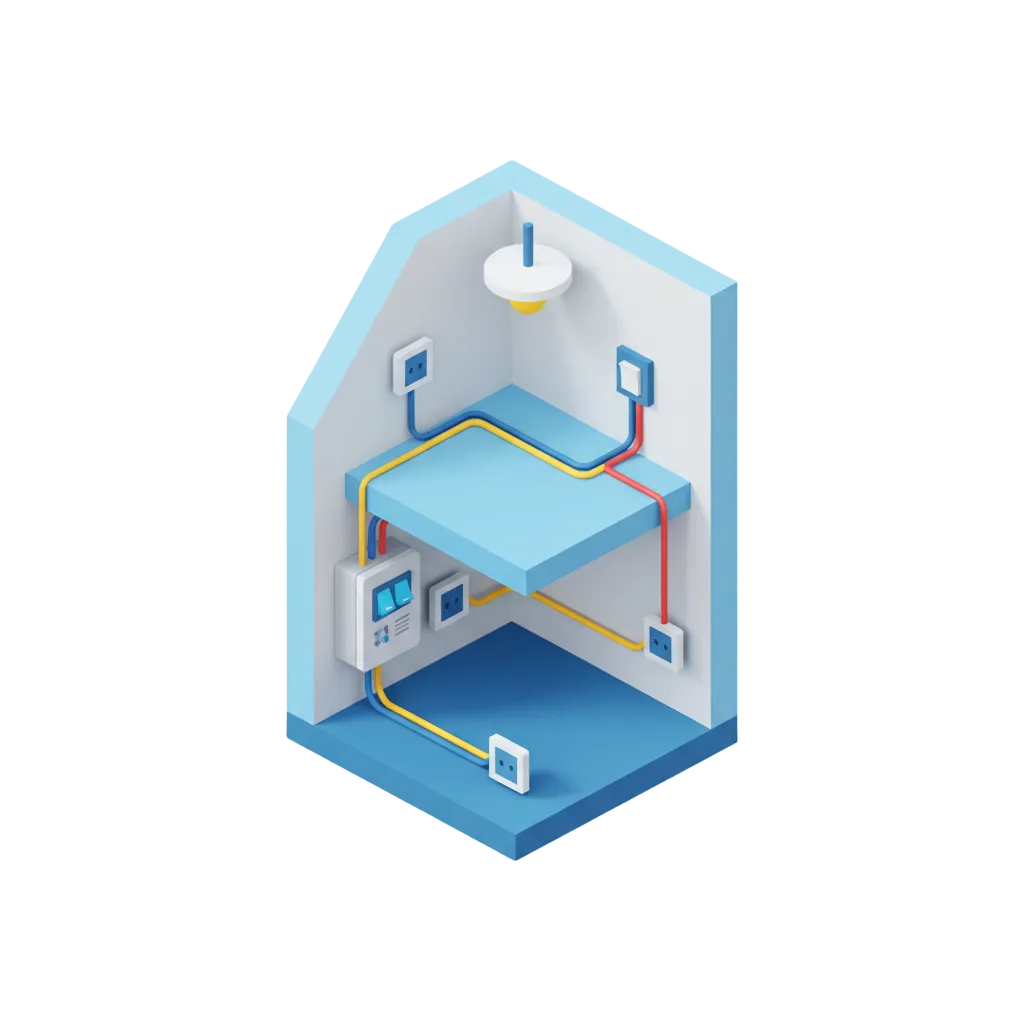
Consumer Unit & Fuse Box Upgrade
Replace your old fuse box with a modern 18th edition consumer unit. RCD/RCBO protected, metal enclosure. Qualified and insured.
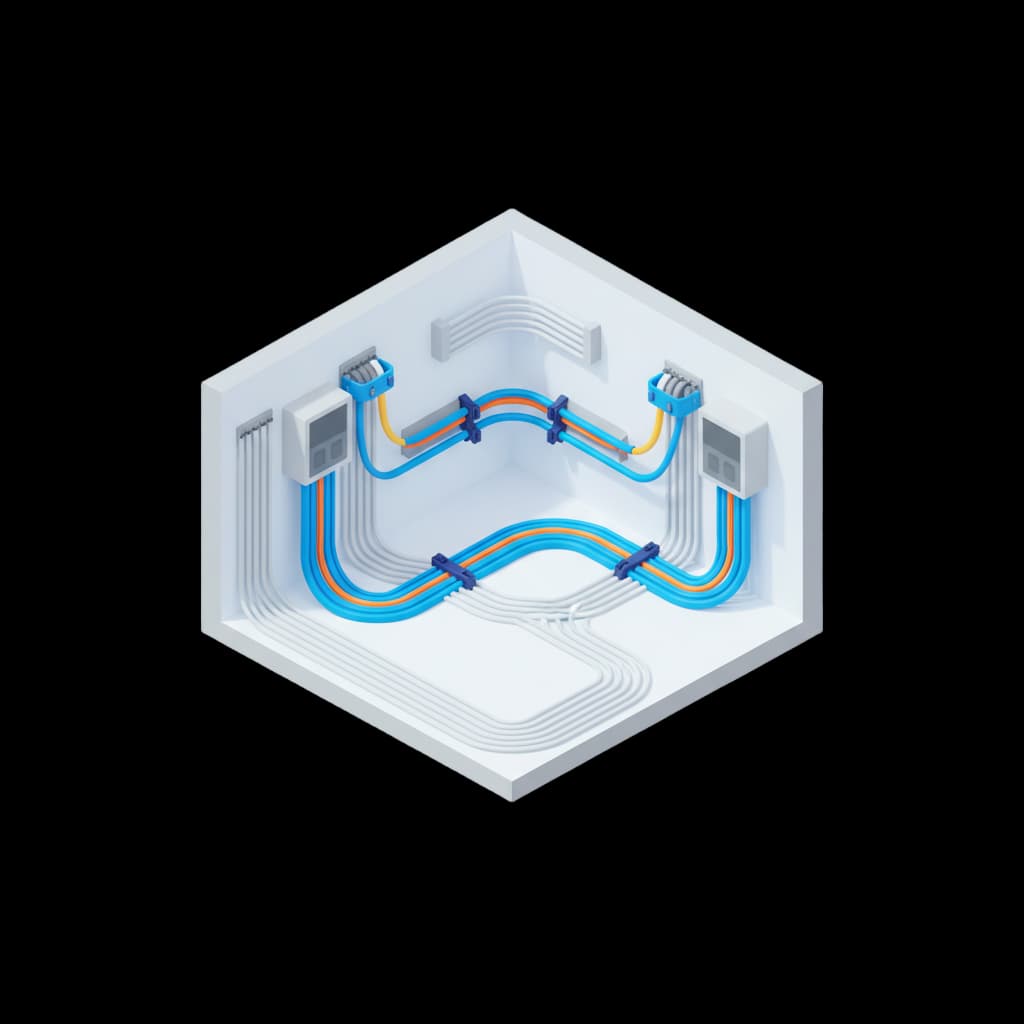
House Rewire (Full Rewiring)
Complete house rewire with new circuits, consumer unit, earthing, and bonding. Qualified and insured.
Partial Rewire & Circuit Extension
Upgrade specific circuits without a full house rewire. Ideal for extensions, old lighting circuits, or outdated ring mains. Qualified and insured.
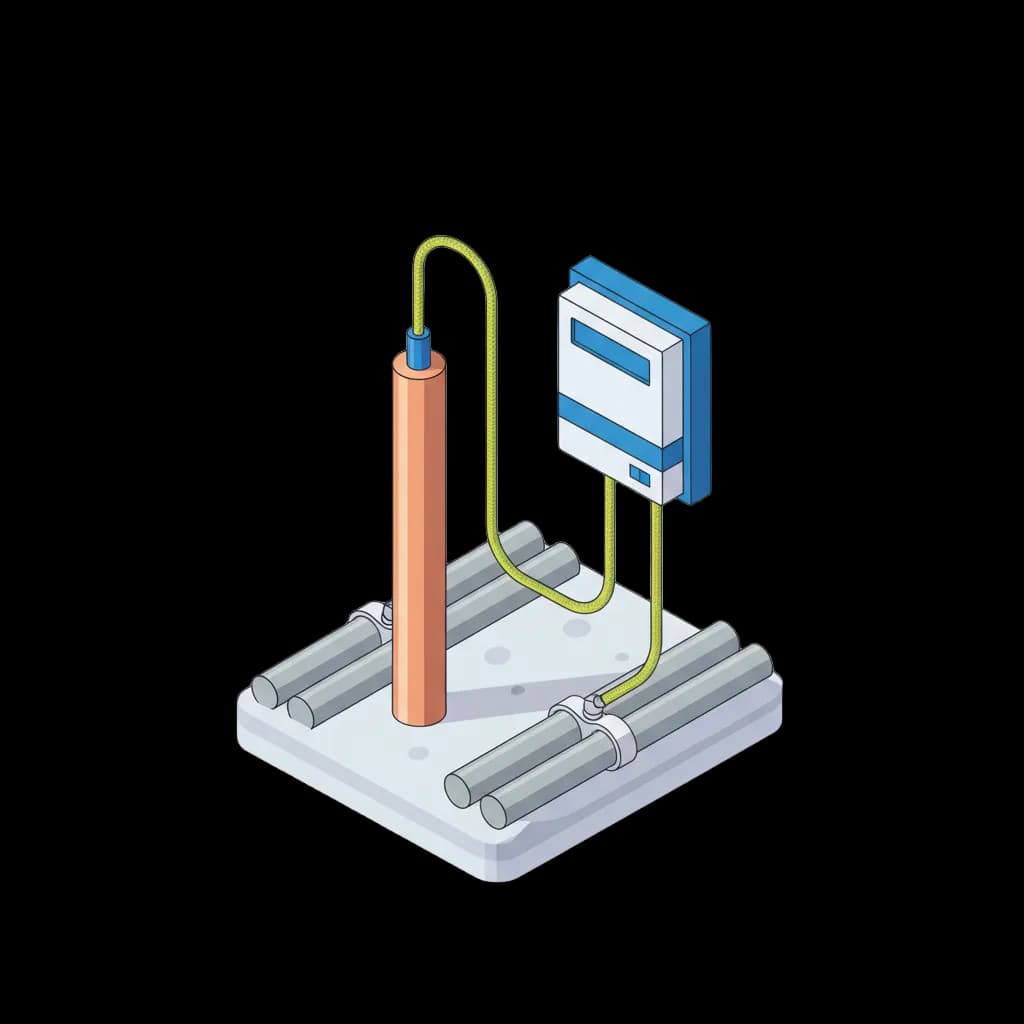
Earthing & Bonding
Upgrade your property's earthing and bonding to current standards. Main bonding, supplementary bonding, and earth electrode installation. Qualified and insured.
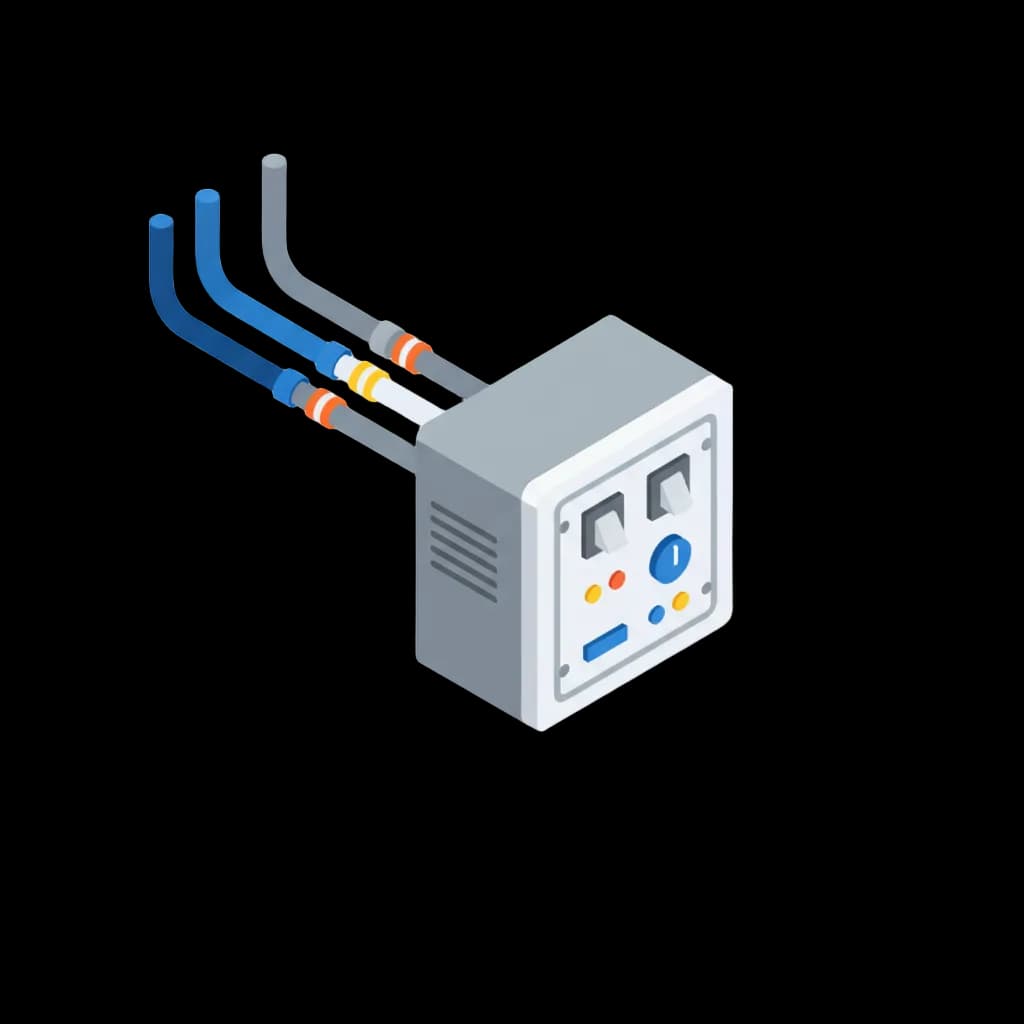
Three-Phase Power Installation
Upgrade from single-phase to three-phase electricity supply. DNO application, new distribution board, and load balancing. Qualified and insured.

Emergency Electrician
24/7 emergency electrician call-out for power failures, burning smells, sparking, and electrical emergencies. Fast response, fault finding and making safe.
Find electrical fault finding & diagnostics near you
Browse qualified electricians for electrical fault finding & diagnostics by London borough.
Need electrical fault finding & diagnostics?
Describe what you need to Sparky and we'll match you with a qualified electrician near you.
Book an ElectricianFind a Local Electrician
Need a qualified electrician? Browse all London electricians or find one in a borough near you.