Cost Breakdown
| Item | Min | Max | Note |
|---|---|---|---|
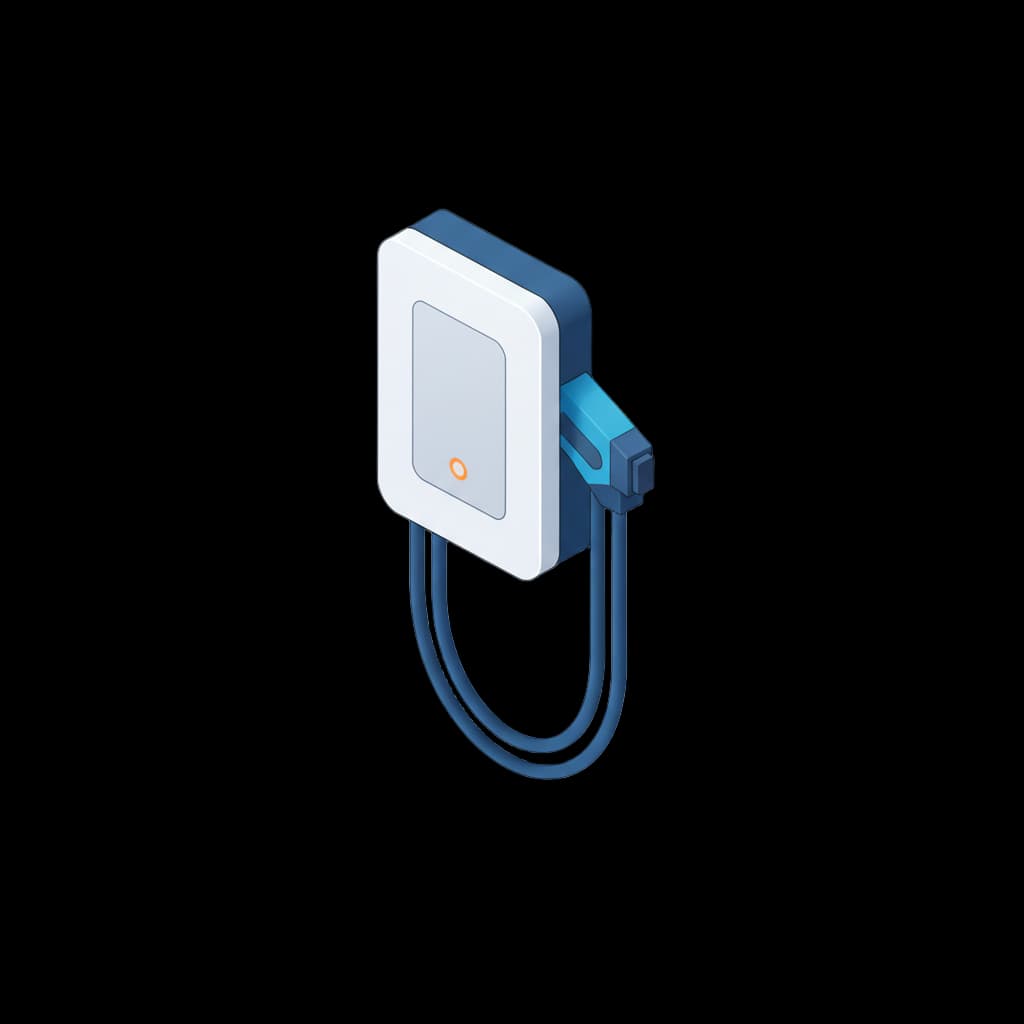
| Ohme Home Pro (7kW, installed) | £800 | £1000 | Smart charger with dynamic load balancing; works with all UK energy tariffs including Intelligent Octopus; tethered or untethered options |
| Pod Point Solo 3 (7kW, installed) | £800 | £1100 | Popular UK brand with universal socket or tethered Type 2; free app with charging history; 3-year warranty |
| myenergi Zappi (7kW, installed) | £900 | £1200 | Best for solar panel owners — automatic solar surplus charging; eco and eco+ modes; 3-year warranty; works with myenergi hub for full home energy management |
| Tesla Wall Connector (7kW/22kW, installed) | £900 | £1200 | Works with any EV (not just Tesla); sleek design; built-in WiFi; up to 22kW on 3-phase but most UK homes use 7kW single-phase |
| Easee One (7kW, installed) | £800 | £1000 | Compact Scandinavian design; built-in dynamic load balancing; easy to add a second charger; 3-year warranty |
| 22kW charger (unit only) | £700 | £1200 | Three-phase supply required; only suitable for properties with existing 3-phase power or willing to pay £1,500-£3,000+ for a 3-phase upgrade |
| Standard installation (labour) | £400 | £700 | Charger mounted near the consumer unit with a short cable run (under 10m), no groundworks, and a spare way available on the consumer unit |
| Complex installation (labour) | £700 | £1200 | Long cable runs (10-25m), external trenching to a detached garage, cable routing through multiple rooms, or installation requiring surface-mounted trunking |
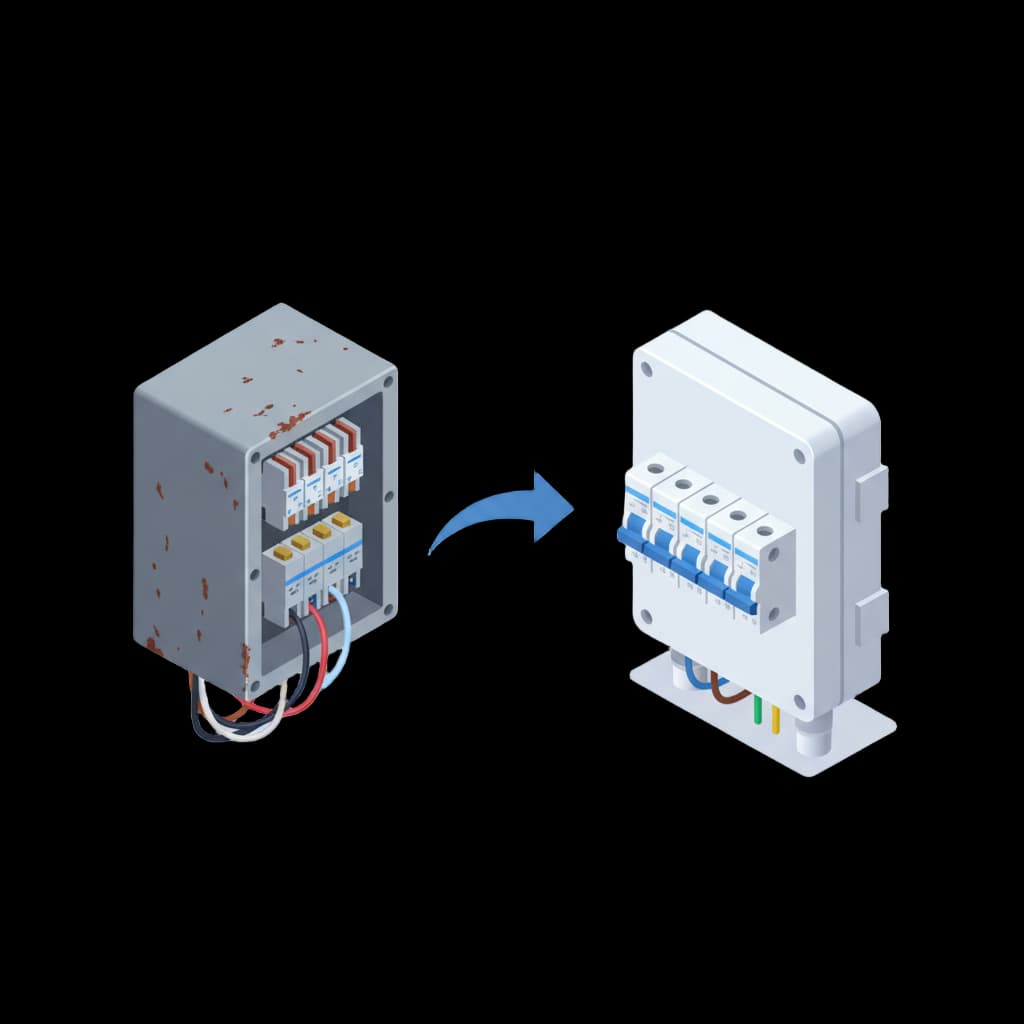
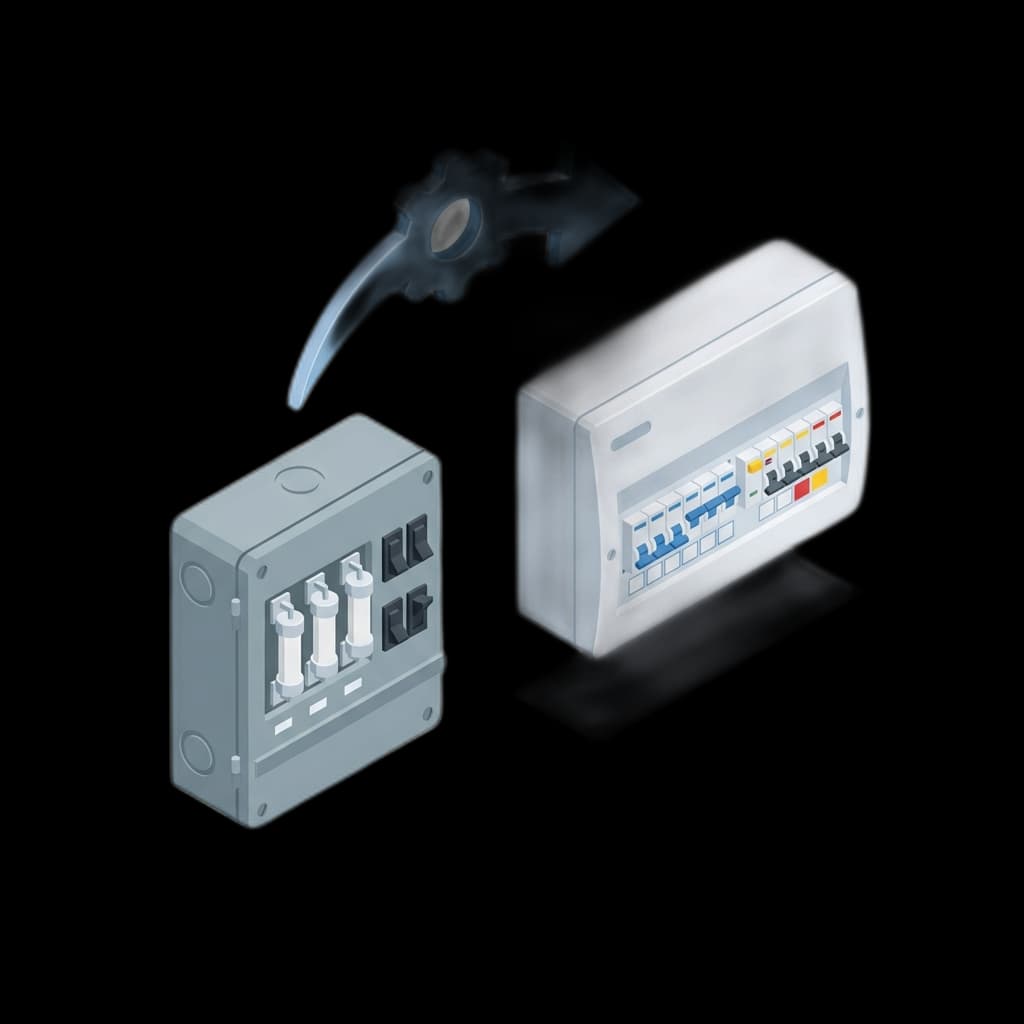
| Consumer unit upgrade (if required) | £350 | £800 | Older consumer units may need replacing to accommodate the new dedicated 32A EV circuit with correct protection |
| Earthing upgrades (if required) | £100 | £300 | Properties with PME (Protective Multiple Earthing) require an earth rod for the EV charger circuit — mandatory under BS 7671 |
| DNO notification / application | £0 | £60 | Your Distribution Network Operator must be notified; chargers over 3.68kW may require formal approval |
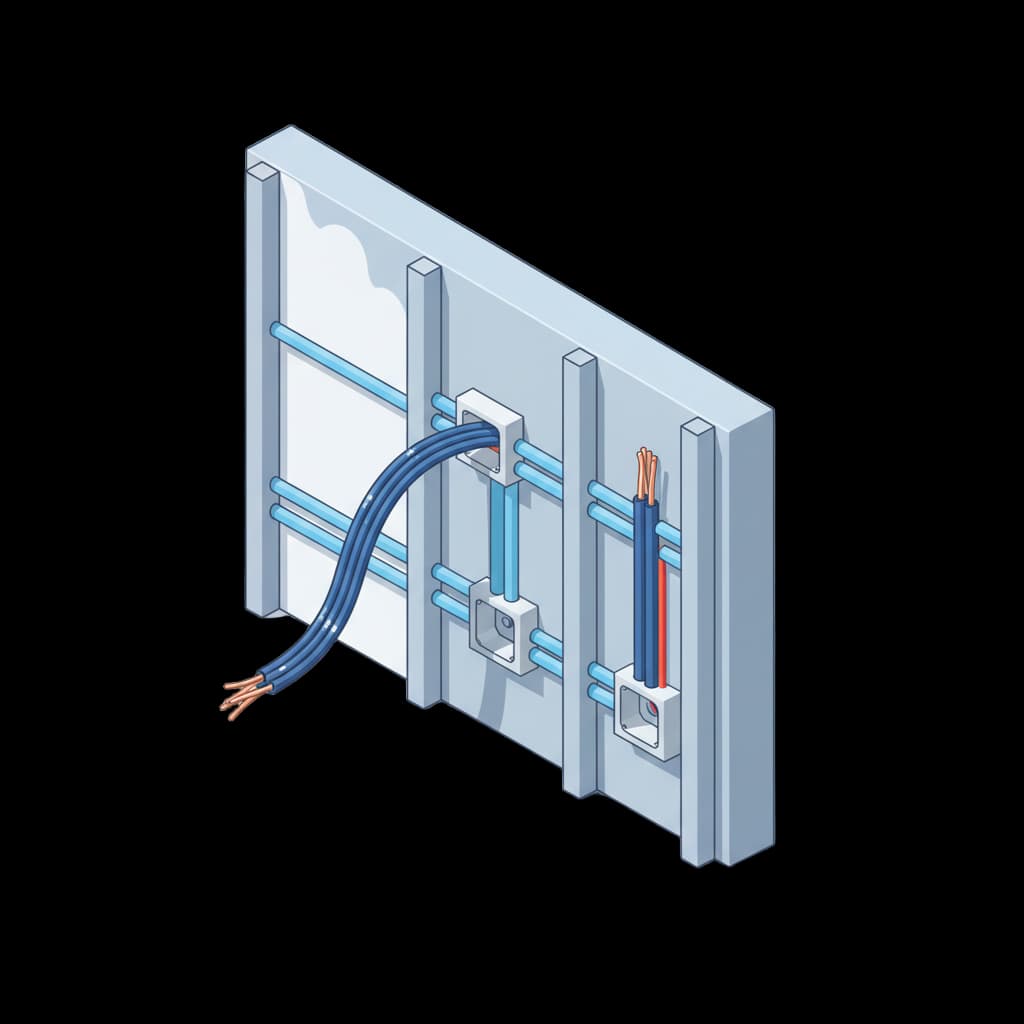
| Dedicated circuit (cable and protection) | £150 | £400 | 6mm² cable for runs up to 18m, 10mm² for longer runs; 32A MCB or RCBO, Type A RCD (if not built into charger), and Type 2 SPD |
What's Included
- Supply and installation of a smart 7kW EV charger (32A single-phase) on a dedicated radial circuit — charger brand and model agreed during the survey
- A new dedicated radial circuit from the consumer unit to the charger location, protected by a 32A MCB or RCBO with appropriate RCD protection (Type A minimum)
- All necessary cable (6mm² or 10mm² twin-and-earth depending on distance), conduit, trunking, and fixings for a neat, weatherproof installation
- Earth rod installation if required (PME earthing properties — your electrician will advise)
- Type 2 SPD (Surge Protection Device) at the consumer unit if not already fitted
- DNO (Distribution Network Operator) notification as required under the Electricity Safety, Quality and Continuity Regulations (ESQCR)
- Full testing, verification, and an Electrical Installation Certificate (EIC) for the new circuit
- Registration of the charger with the manufacturer, WiFi setup, and configuration of the accompanying smartphone app
- Part P Building Regulations notification (handled by the electrician if registered with NICEIC, NAPIT, or similar competent person scheme)
Factors Affecting Cost
- Distance from the consumer unit to the charger location — the single biggest variable. A short run (under 5m) on the same wall keeps costs low; a 20m run to a detached garage with underground trenching can add £400-£800 to the bill
- Cable routing and trenching — surface-mounted trunking is cheaper than burying cable underground. Crossing a driveway or garden path requires armoured cable in a duct, adding £200-£500 depending on distance
- Consumer unit capacity — if your existing board does not have a spare way or the main switch cannot handle the additional load, a full consumer unit upgrade is needed (£350-£800 extra). Many older fuse boxes with rewirable fuses will need replacing
- Earthing arrangement — properties with PME (Protective Multiple Earthing) require an earth rod installation for the EV charger circuit. This is a regulatory requirement under BS 7671, adding £100-£300. Your electrician will test the existing earthing during the survey
- Charger brand and features — budget tethered chargers start around £300 for the unit, while premium smart chargers with solar integration, load balancing, and app control (like the Zappi or Ohme) cost £500-£700 for the unit. Tethered chargers are typically £30-£50 cheaper than untethered socket versions
- Property type — flats and leasehold properties are significantly more complex due to shared supplies, longer cable runs, freeholder permissions, and potential communal infrastructure requirements. Flat installations can cost £1,200-£2,500+
- Location — London installations are typically £100-£300 more than the national average due to higher labour rates, congestion charges, and more challenging access. The South East is around 10-15% above the national average
- Whether the OZEV grant applies — the EV Chargepoint Grant (up to £350 off) is still available for renters and flat owners through the Electric Vehicle Homecharge Scheme, reducing the out-of-pocket cost. The grant expired for homeowners in houses as of April 2024
- Existing electrical capacity — some properties have a 60A or even 40A main fuse. Adding a 32A EV charger circuit may push the total demand close to the limit, requiring a DNO supply upgrade (usually free but takes 4-8 weeks)
- Surge protection — BS 7671 requires a Type 2 SPD (Surge Protection Device) where the cost of installation is not disproportionate. For most EV charger installations, an SPD is fitted at the consumer unit, adding £80-£150 if one is not already present
How Long Does It Take?
A standard EV charger installation typically takes half a day (3-5 hours) for a straightforward setup where the charger is mounted on an exterior wall close to the consumer unit with a short cable run. This covers mounting the charger, running the cable, connecting at both ends, installing any necessary protective devices, testing, and setting up the app. More complex installations — involving long cable runs, external trenching, garage installations, or a consumer unit upgrade — can take a full day or occasionally two days. If an earth rod needs to be installed (common with PME earthing, which covers about 60% of UK properties), add an extra 1-2 hours for digging, driving the rod, and testing. The charger is usually fully operational and ready to use by the end of the installation day. Most installers will carry out a pre-installation survey (sometimes free, sometimes £50-£100 deducted from the final bill) to assess the cable route, consumer unit, and earthing before quoting. For flat installations or situations requiring freeholder consent, the planning and approval process can add several weeks before installation even begins.
Do I Need This?
If you own or lease an electric or plug-in hybrid vehicle, a dedicated home charger is strongly recommended over using a standard 3-pin plug. The numbers make the case clearly: a 3-pin plug charges at about 2.3kW (roughly 8 miles of range per hour), while a 7kW home charger delivers about 30 miles per hour — meaning a full charge overnight rather than over 24+ hours. Home charging is also dramatically cheaper than public charging. On a standard tariff at 24-28p per kWh, home charging costs roughly 7-10p per mile. On an off-peak EV tariff like Octopus Intelligent Go (7.5p/kWh overnight), that drops to about 2-3p per mile. Compare this to public rapid chargers at 50-79p/kWh (15-25p per mile) or petrol at roughly 16-20p per mile. The average UK driver covering 7,400 miles per year saves approximately £800-£1,200 annually by charging at home on an off-peak tariff versus using petrol. Beyond cost, a dedicated EV charger is safer than prolonged use of a domestic 13A socket, which is not designed for continuous high loads over many hours. Smart chargers also let you schedule charging during off-peak electricity tariffs automatically, and some (like the Ohme and Zappi) integrate directly with energy suppliers for the cheapest possible rates.
How to Save Money
Check eligibility for the OZEV EV Chargepoint Grant — renters and flat owners can still get up to £350 off the installation cost through the Electric Vehicle Homecharge Scheme. The grant expired for homeowners in houses in April 2024, but landlords installing chargers for tenants can claim the Landlord/Tenant grant
Switch to an EV-specific electricity tariff — Octopus Intelligent Go (7.5p/kWh overnight), Octopus Go (7.5p/kWh midnight-5am), or OVO Charge Anytime offer dramatically cheaper overnight rates. On Intelligent Go, a full 60kWh charge costs about £4.50 versus £14-£17 on a standard tariff, saving £500-£800 per year
Position the charger as close to the consumer unit as possible — every extra metre of cable run adds cost. Discuss optimal placement with your electrician during the survey. A charger on the same wall as the consumer unit (exterior side) is the cheapest configuration
Compare at least 3 quotes from OZEV-approved installers and check that each quote includes the same charger model, cable route, and any necessary upgrades so you are comparing like-for-like. Be wary of very cheap quotes that exclude the consumer unit upgrade or earthing work you may need
Consider a tethered charger (with a permanently attached cable) rather than an untethered one if you only charge one vehicle — tethered models are typically £30-£50 cheaper and more convenient for daily use
If you have solar panels, choose a charger with solar surplus charging (the Zappi is the market leader for this). Charging your EV from solar can reduce running costs to effectively zero during sunny months
Time your installation — some installers offer discounts during quieter months (autumn and winter). Avoid the spring rush when new EV deliveries peak
Check if your car manufacturer has a preferred installer partnership — some offer discounted installation when you buy through them (e.g., Tesla, BMW, and Volkswagen have partnerships with national installers)
Average Cost Summary
£800–£1500
Typical price range for ev charger installation cost uk 2026 in the UK. Prices may vary based on your location, property type, and specific requirements.
EV Charger Cost by Brand
The UK home EV charger market is dominated by five brands, each with different strengths. Here is what you can expect to pay for each in 2026, fully installed with a standard installation.
Ohme Home Pro (£800-£1,000 installed) — The Ohme is one of the most affordable smart chargers on the market. Its standout feature is deep integration with energy tariffs — it works directly with Octopus Intelligent Go to shift charging to the cheapest half-hour slots overnight, and supports any time-of-use tariff. The unit is compact and available in tethered or untethered versions. Ohme is a strong choice if minimising running costs is your priority.
Pod Point Solo 3 (£800-£1,100 installed) — Pod Point is one of the UK's most recognised EV charging brands. The Solo 3 offers 7kW single-phase charging with a universal socket (untethered) or tethered Type 2 cable. It has a clean design, a free app with charging history, and a 3-year warranty. Pod Point also offer their own installation service, which can simplify the process.
myenergi Zappi (£900-£1,200 installed) — The Zappi is the clear winner for homes with solar panels. Its eco and eco+ modes automatically divert surplus solar energy to your EV, potentially letting you charge for free during sunny months. It also works with the myenergi ecosystem (Eddi for hot water, Harvi for CT clamps). The Zappi is slightly more expensive than budget options but the solar integration can save hundreds per year if you generate your own electricity.
Tesla Wall Connector (£900-£1,200 installed) — Despite the Tesla branding, this charger works with any EV. It supports up to 22kW on a three-phase supply but runs at 7kW on the single-phase supply found in most UK homes. The design is minimal and premium-feeling. It is a good choice if aesthetics matter to you, though it has fewer smart tariff features than the Ohme.
Easee One (£800-£1,000 installed) — The Easee is the most compact home charger on the market — about the size of a hardback book. It has built-in dynamic load balancing, meaning it automatically reduces its power if your home is using a lot of electricity on other circuits. It is easy to expand with a second charger for two-car households. The Scandinavian design is attractive and unobtrusive.
7kW vs 22kW Chargers
Almost every UK home EV charger installation is 7kW (32A single-phase), and for good reason. The vast majority of UK homes have a single-phase electricity supply, which limits the maximum charger output to 7.4kW. This delivers about 30 miles of range per hour — more than enough to fully charge most EVs overnight.
A 22kW charger requires a three-phase electricity supply. Three-phase is standard in commercial properties but rare in UK homes — it is sometimes found in larger new-build houses or rural properties near farms. If your home does not have three-phase, upgrading to it costs £1,500-£3,000+ and requires a formal application to your DNO, which can take 8-12 weeks.
For a typical household, a 7kW charger is the practical choice. Consider 22kW only if you already have three-phase power, drive exceptionally high mileage (over 100 miles per day), or need to charge multiple vehicles quickly. Even with a 22kW charger, many EVs can only accept 7kW or 11kW from AC charging anyway — the vehicle's onboard charger is the limiting factor. Only a handful of EVs (such as the Renault Zoe and some BMW and Mercedes models) can accept the full 22kW AC charge rate.
The cost difference between a 7kW and 22kW unit is relatively small (£100-£300 for the charger itself), but the three-phase supply upgrade is the expensive part. If you already have three-phase, a 22kW charger is worth considering for future-proofing.
Electrical Requirements for EV Charger Installation
Understanding the electrical requirements helps you anticipate what work your electrician will need to do and why certain installations cost more than others.
Dedicated circuit: Every EV charger must be on its own dedicated radial circuit — it cannot share with sockets, lighting, or other appliances. This circuit runs directly from the consumer unit to the charger with no other connections along the way.
Circuit protection: The circuit requires a 32A MCB (Miniature Circuit Breaker) or RCBO (Residual Current Breaker with Overcurrent protection). RCD protection must be at least Type A — standard Type AC RCDs are not suitable for EV charging because they cannot detect the DC fault currents that EV chargers can produce. Many modern chargers (Ohme, Zappi, Easee) have Type A RCD and DC detection built in, meaning a Type A RCBO at the consumer unit is sufficient. Chargers without built-in DC protection may require a more expensive Type B RCD.
Cable sizing: The cable between the consumer unit and the charger must be sized to handle 32A continuously without excessive voltage drop. For runs up to about 18 metres, 6mm² twin-and-earth cable is standard. For longer runs (18-30m), 10mm² cable is needed to keep voltage drop within the 5% maximum allowed by BS 7671. Longer runs significantly increase both material and labour costs.
Earthing: If your property has PME (Protective Multiple Earthing) — which approximately 60% of UK properties do — an earth rod must be installed for the EV charger circuit. This is because the charger is typically installed outside, and PME earthing can present a shock risk on external metalwork if the neutral conductor is lost. The earth rod provides an independent earth path. Your electrician will test the existing earthing during the survey.
Surge protection: BS 7671 Amendment 2 requires a Type 2 SPD (Surge Protection Device) to be fitted at the consumer unit for new installations where the cost is not disproportionate. For a dedicated EV charger circuit, an SPD is standard practice and adds £80-£150 if one is not already installed.
Consumer unit capacity: Your consumer unit needs a spare way for the new 32A RCBO. If there are no spare ways, a larger board is needed. The main switch must also handle the additional load — a 63A main switch with an existing 50A load may not have enough headroom for a 32A EV circuit, though dynamic load management in the charger can help.
OZEV Grant and Government Schemes
The UK government's EV chargepoint grant scheme has changed significantly in recent years. Here is the current position as of 2026.
The OZEV EV Chargepoint Grant (now officially the Electric Vehicle Homecharge Scheme or EVHS) expired for homeowners who own a house in April 2024. If you own your home and it is a house (detached, semi-detached, or terraced), you are no longer eligible for any government grant towards a home charger.
The grant is still available in three situations: renters in any property type (house, flat, or maisonette), flat owners (leaseholders with a share of freehold or residents' management company), and landlords installing chargers for tenants (Landlord/Tenant grant). The grant covers up to £350 (or 75% of the installation cost, whichever is lower) towards the cost of purchasing and installing a home charger.
To qualify, the charger must be smart (capable of receiving and responding to signals to schedule charging during off-peak hours), and the installation must be carried out by an OZEV-approved installer. Your installer will process the grant application and deduct the amount from your bill — you do not need to claim separately.
For landlords, the separate Workplace Charging Scheme (WCS) provides up to £350 per socket (up to 40 sockets) for chargers installed at commercial properties, including rental properties where the charger is in a communal area. This is separate from the residential EVHS grant.
Even without the grant, the economics of home EV charging are overwhelmingly positive. A home charger costing £800-£1,000 saves £800-£1,200 per year versus petrol, paying for itself within the first year.
Running Costs: EV Charging vs Petrol
One of the strongest reasons to install a home EV charger is the dramatic reduction in running costs compared to petrol or diesel. Here is how the numbers work for a typical UK driver covering 7,400 miles per year (the national average).
Home charging on a standard tariff (24-28p/kWh): An efficient EV uses about 3.5 miles per kWh. At 26p/kWh, that works out to about 7.4p per mile, or roughly £550 per year for 7,400 miles.
Home charging on an off-peak EV tariff (7.5p/kWh): On Octopus Intelligent Go or similar overnight tariffs, the cost drops to about 2.1p per mile, or roughly £160 per year. This is the cheapest way to run a car in the UK.
Public rapid charging (50-79p/kWh): At an average of 65p/kWh, the cost rises to about 18.6p per mile, or roughly £1,370 per year. This is comparable to petrol and removes most of the cost advantage of driving an EV.
Petrol equivalent: A typical petrol car doing 40mpg at 145p/litre costs about 16.3p per mile, or roughly £1,200 per year.
The annual savings from home charging on an off-peak tariff versus petrol are approximately £1,000-£1,200 per year. Even on a standard electricity tariff, you save around £600-£700. This means a home charger installation (£800-£1,500) pays for itself in 1-2 years through fuel savings alone.
Smart chargers make these savings automatic — set your charger to charge between midnight and 5am, and you never need to think about it. Some chargers (like the Ohme) integrate directly with your energy supplier to automatically charge during the cheapest half-hour slots.
Common EV Charger Problems
Home EV chargers are generally reliable, but problems do occur. Here are the most common issues and what to do about them.
Charger tripping the RCD or RCBO: This is the single most common EV charger problem. The usual cause is an incompatible RCD type — EV chargers can produce small DC leakage currents that trip standard Type AC RCDs. The fix is upgrading to a Type A RCD with DC protection (or Type B if the charger lacks built-in DC detection). If your charger keeps tripping, do not repeatedly reset it — have an electrician check the protection type and test for earth faults. Cost to fix: £100-£350.
Charger not starting or unresponsive: Check the consumer unit for a tripped breaker first. Then check the charger app for error messages or scheduled charging settings. Many smart chargers will not start if they have lost WiFi connectivity (they need it to verify your account and tariff). A simple restart — switching the isolator off for 30 seconds — fixes many issues. If the charger has no lights at all, the supply circuit may have a fault.
Slow charging: If your charger is delivering less than the expected 7kW, check the app for load management settings that may be throttling the power. Some chargers automatically reduce output when other household appliances are drawing heavily. Low supply voltage (below 230V) can also reduce charge speed. If the problem persists, your electrician should test the voltage under load.
WiFi and connectivity issues: Smart chargers rely on WiFi for tariff integration, scheduling, and session authorisation. Chargers installed far from the router (especially in detached garages) often lose connectivity. A WiFi extender or a dedicated outdoor access point near the charger usually resolves this. Some chargers (like the Easee) can also use mobile data as a backup.
Charger not connecting to the car: Clean the connector pins and the vehicle's charge port. Ensure the plug is fully inserted — a partial connection will prevent the safety handshake. Try a different cable if you have one. If the problem is with one specific vehicle, the car's onboard charger may need checking at the dealer.
Planning Permission and Regulations
EV charger installation is covered by a combination of planning rules and electrical regulations. Here is what applies.
Planning permission: In England, installing an EV charger on a house is permitted development (no planning permission needed) provided the charger is not installed on a wall or structure that fronts a highway, and the property is not a listed building or in a conservation area. If your property is listed, in a conservation area, or the charger would face a public road, you must apply for planning permission through your local council. In Scotland, similar permitted development rights apply under the Town and Country Planning (General Permitted Development) (Scotland) Order.
Building Regulations (Part P): EV charger installation is notifiable electrical work under Part P of the Building Regulations in England and Wales. Your electrician must either be registered with a competent person scheme (NICEIC, NAPIT, ELECSA) to self-certify the work, or you must apply to your local council for building control approval (adding £200-£400). Using a registered electrician is strongly recommended — they handle the notification automatically.
BS 7671 (IET Wiring Regulations): The 18th Edition of the Wiring Regulations (with Amendment 2) contains specific requirements for EV charging in Section 722. Key requirements include: a dedicated circuit, minimum Type A RCD protection, earth rod for PME installations, cable sizing for continuous 32A load, and SPD protection.
IET Code of Practice for EV Charging: The IET publishes a separate Code of Practice specifically for EV charging installations. This document is the industry-standard reference that installers follow, covering everything from site surveys to commissioning.
OZEV-approved installer: If you are claiming the OZEV grant (available for renters and flat owners), the installation must be carried out by an OZEV-approved installer. Even without the grant, using an approved installer ensures the work meets all current standards.
DNO notification: Your installer must notify the Distribution Network Operator (DNO) about the installation. For chargers over 3.68kW (which includes all standard 7kW installations), the DNO may need to assess whether your local supply can handle the additional load. In most cases, approval is straightforward and free.
Get an EV Charger Installation Quote
Ready to get a home EV charger installed? The process is straightforward. Most installations are completed within 1-2 weeks of booking, and the charger is usually operational the same day it is installed.
When requesting quotes, a good installer will want to carry out a pre-installation survey — either in person or via photos and information you provide. They will assess: the distance from the consumer unit to the charger location, the condition and capacity of your consumer unit, the earthing arrangement (PME vs TN-S), the cable route options, and whether any upgrades are needed. This survey is often free (or the cost is deducted from the final bill).
Ask each installer to specify: which charger brand and model is included, the total installed price (not just the charger cost), whether a consumer unit upgrade or earthing work is included, the cable route they plan to use, the expected installation time, their competent person scheme registration (NICEIC, NAPIT, etc.), and whether they are OZEV-approved (relevant if you are eligible for the grant). Getting 3 quotes from different installers ensures you get a fair price and helps you spot if one quote is missing necessary work that others have included.