Electric Shower Installation
Professional electric shower installation by qualified electricians. Dedicated circuit, pull cord isolator, and supplementary bonding included. Qualified and insured.
Get a quote

Electric Shower Installation
Qualified electrician
Same-day service
Most jobs matched within hours.
Upfront pricing
Clear quotes before work starts.
Qualified pros
NICEIC & NAPIT registered.
Pay when done
Funds held until you're happy.
How it works
Survey and assessment
The electrician checks the consumer unit capacity, available spare ways, and the main supply fuse rating. They plan the cable route from the consumer unit to the bathroom and confirm the water supply pressure is adequate for the chosen shower unit.
Cable run
Heavy-duty cable (6mm² for up to 9kW or 10mm² for 9.5kW and above) is run from the consumer unit to the bathroom. The cable is routed through ceiling voids, under floorboards, or through walls in safe zones. It must not be run through thermally insulating areas without appropriate derating.
Consumer unit connection
A suitably rated MCB or RCBO (typically 40A or 45A) is installed in the consumer unit. The circuit must have 30mA RCD protection as it serves a bathroom. The electrician confirms the consumer unit has adequate capacity for the new circuit.
Isolator and shower installation
A double-pole ceiling-mounted pull cord isolator is fitted outside the shower zone (or in Zone 2 if ceiling-mounted). The shower unit is mounted, plumbed, and connected to the electrical supply. A cable entry gland provides IP-rated water protection.
Supplementary bonding
Supplementary equipotential bonding conductors (4mm² minimum) are connected between all exposed and extraneous conductive parts in the bathroom — pipework, radiators, baths, and shower trays. This is a BS 7671 requirement for bathrooms.
Testing and certification
The full circuit is tested for insulation resistance, earth fault loop impedance, RCD trip time, and polarity. The shower is run at full power to verify stable operation. An Electrical Installation Certificate is issued and the work is notified to Building Control.
What's included
What's involved
An electric shower requires its own dedicated high-current circuit from the consumer unit — typically 40A or 45A depending on the shower's kW rating. The installation includes running heavy-duty cable (6mm² or 10mm²) from the consumer unit to the bathroom, fitting a double-pole ceiling pull cord isolator, connecting the shower unit, and installing supplementary equipotential bonding to all exposed metalwork in the bathroom. This is specialist electrical work that must be carried out by a qualified electrician.
Electric showers draw between 7.5kW and 10.8kW — the highest current demand of any household appliance. A 9.5kW shower draws over 40 amps. This requires a dedicated circuit with correctly sized cable, appropriate MCB or RCBO protection, and supplementary bonding in the bathroom. Incorrect installation creates serious electric shock and fire risks. All electrical work in bathrooms is notifiable under Part P of the Building Regulations.
Get a personalised quote
Typical cost: £250–£600per installation
Every job is different — pricing depends on your property, location, and specific requirements. Describe what you need and a qualified electrician will quote you directly.
How long does it take?
Half a day (3-5 hours) for a standard installation with a straightforward cable run. A full day if the cable route is long, involves multiple floors, or requires a consumer unit upgrade. Add 1-2 hours if supplementary bonding needs to be installed or upgraded.
Regulations & safety
Safety notice
Electric showers must be on a dedicated circuit — never share a circuit with other appliances. The high current draw (40A+) would overload any shared circuit and create an immediate fire risk.
All bathroom electrical work requires 30mA RCD protection. The pull cord isolator must be double-pole (disconnecting both live and neutral) and positioned where it cannot be reached from inside the shower cubicle.
Supplementary bonding in the bathroom is a critical safety measure. It ensures that all metalwork is at the same electrical potential, preventing shock if a fault develops. Skipping this step is dangerous and non-compliant.
Part P of the Building Regulations (Approved Document P)
All electrical work in bathrooms is notifiable under Part P. Electric shower installation must be carried out by an electrician registered with a competent person scheme, or inspected and certified by Building Control.
BS 7671:2018+A2:2022 — Section 701 (Bathrooms)
Section 701 specifies requirements for electrical installations in bathrooms, including zone definitions, IP ratings for equipment, RCD protection, and supplementary equipotential bonding requirements.
Water Supply (Water Fittings) Regulations 1999
The plumbing connection for an electric shower must comply with water regulations, including the use of approved fittings and backflow prevention where required by the local water company.
IET Guidance Note 7 — Special Locations
Provides detailed guidance on electrical installations in bathrooms, including equipment zoning, cable routing restrictions, and the specific requirements for shower circuits.
What to expect
Having issues with your existing installation?
Already have a electric shower and having issues? Check our troubleshooting guides.
Electric Shower Tripping The Electrics
Your electric shower is tripping the RCD or circuit breaker every time you turn it on.
RCD Keeps Tripping? Common Causes & How to Fix It (2026)
Your RCD keeps tripping and cutting power to multiple circuits. This guide covers every common cause — from faulty appliances and moisture to wiring faults and nuisance tripping — plus exactly what to do about it.
Frequently asked questions
What size cable do I need for an electric shower?
Can I replace an electric shower myself?
Why does my electric shower keep tripping the electrics?
What is the difference between an 8.5kW and a 10.5kW shower?
Do I need a pull cord switch for an electric shower?
Other installations services
Browse more services in the installations category.
EV Charger Installation
Professional EV charger installation by qualified electricians. Qualified and insured.
Socket & Plug Installation
Professional socket installation by qualified electricians. New single, double, and USB sockets safely added to any room. Qualified and insured.
Light Fitting & Lighting Installation
Professional lighting installation by qualified electricians. Downlights, pendants, LED conversions, and dimmer switches fitted safely. Qualified and insured.
Smoke & Carbon Monoxide Alarm Installation
Professional mains-wired interlinked smoke alarm installation by qualified electricians. Meets current Building Regulations. Heat detectors for kitchens included. Qualified and insured.
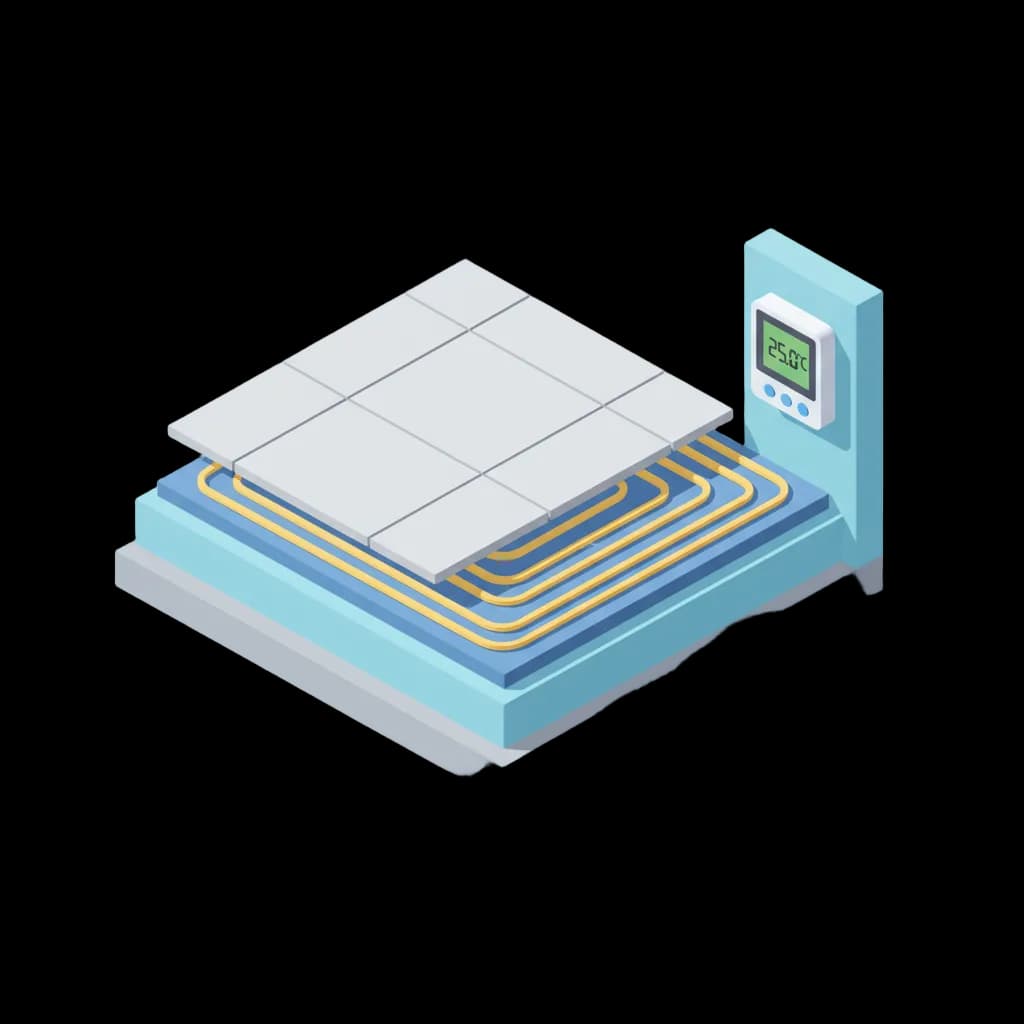
Electric Underfloor Heating Installation
Professional electric underfloor heating installation by qualified electricians. Mat and cable systems with thermostat control. Dedicated circuit. Qualified and insured.
Storage Heater Installation
Professional storage heater installation by qualified electricians. Off-peak tariff setup, dedicated circuits, and Economy 7/10 meter configuration. Qualified and insured.
Find electric shower installation near you
Browse qualified electricians for electric shower installation by London borough.
Need electric shower installation?
Describe what you need to Sparky and we'll match you with a qualified electrician near you.
Book an ElectricianFind a Local Electrician
Need a qualified electrician? Browse all London electricians or find one in a borough near you.