EV Charger Installation
Professional EV charger installation by qualified electricians. Qualified and insured.
Get a quote

EV Charger Installation
Qualified electrician
Same-day service
Most jobs matched within hours.
Upfront pricing
Clear quotes before work starts.
Qualified pros
NICEIC & NAPIT registered.
Pay when done
Funds held until you're happy.
How it works
Site survey
Your electrician assesses the consumer unit capacity, earthing arrangement, cable route from the board to the charger location, and mobile signal strength (needed for smart chargers). They will check whether your main fuse and supply can handle the additional 32A load.
Charger selection
If you do not already have a charger, the electrician recommends a unit based on your vehicle, budget, and whether you want features like solar integration or load balancing. Popular brands include Ohme, Zappi, Pod Point, Easee, and Wallbox.
DNO notification
Your Distribution Network Operator (such as UK Power Networks or Scottish Power) must be notified before installation. For chargers over 3.68kW, an application may be required. Your electrician handles this.
Installation
A dedicated 10mm² twin-and-earth radial circuit is run from the consumer unit to the charger location, protected by a 32A Type B RCBO. The cable is routed through conduit where exposed. The charger is mounted, connected, and the circuit is tested.
Testing and certification
The full circuit is tested for insulation resistance, earth fault loop impedance, and RCD trip time. An Electrical Installation Certificate (EIC) is issued and the work is notified to Building Control via the electrician's competent person scheme.
Handover
The electrician walks you through the charger operation, app setup, and scheduling features. You receive the EIC, manufacturer warranty details, and DNO notification confirmation.
What's included
What's involved
A home EV charger (wallbox) is installed on a dedicated 32A circuit from your consumer unit, giving you a full overnight charge at a fraction of the cost of public charging. The installation covers everything from the electrical survey through to commissioning and Part P certification. Most standard installations are completed in half a day.
EV charger installation is notifiable electrical work under Part P of the Building Regulations. It must be carried out by a qualified electrician registered with a competent person scheme (NICEIC, NAPIT, or ELECSA). A dedicated circuit is required — you cannot safely run a 7kW charger from an existing socket circuit. DIY installation is illegal and invalidates your charger warranty.
Get a personalised quote
Typical cost: £800–£1,500per installation
Every job is different — pricing depends on your property, location, and specific requirements. Describe what you need and a qualified electrician will quote you directly.
How long does it take?
Half a day (3-5 hours) for a standard installation with a short cable run. A full day for complex installations involving long cable runs, external trenching, or consumer unit upgrades. If an earth rod is needed, add 1-2 hours.
Regulations & safety
Safety notice
EV charger installation is notifiable electrical work under Part P. It must be carried out by a qualified electrician registered with a competent person scheme (NICEIC, NAPIT, ELECSA, or equivalent).
Properties with PME (Protective Multiple Earthing) may require an earth rod to be installed for the EV charger circuit. This is a safety requirement under BS 7671 Section 722.
Do not attempt to install an EV charger yourself. Incorrect installation can create shock and fire hazards, invalidate your home insurance, and void the charger warranty.
Part P of the Building Regulations (Approved Document P)
EV charger installation is notifiable electrical work. It must be carried out by an electrician registered with a competent person scheme, or inspected and certified by Building Control.
BS 7671:2018+A2:2022 (IET Wiring Regulations), Section 722
Section 722 covers the specific requirements for EV charging installations, including circuit protection, cable sizing, earthing, and the type of RCD required.
IET Code of Practice for Electric Vehicle Charging Equipment Installation (4th Edition)
The industry standard guide for EV charger installation, covering site assessment, circuit design, earthing arrangements, and DNO requirements.
OZEV Electric Vehicle Homecharge Scheme
Government grant of up to £350 for eligible renters and flat owners. The charger must be smart-enabled and installed by an OZEV-approved installer.
What to expect
Having issues with your existing installation?
Already have an ev charger and having issues? Check our troubleshooting guides.
EV Charger Not Working
Your home EV charger will not start a charge, shows no lights, or is completely unresponsive.
EV Charger Tripping The Electrics
Your EV charger keeps tripping the RCD, MCB, or RCBO every time it tries to charge.
Problems After EV Charger Installation
You are experiencing electrical problems that started after your EV charger was installed.
Frequently asked questions
Can I install an EV charger myself?
Do I need to upgrade my consumer unit?
How long does a full charge take on a 7kW home charger?
Am I eligible for the OZEV grant?
What happens if my electricity supply is not strong enough?
What is the difference between a tethered and untethered charger?
Other installations services
Browse more services in the installations category.
Socket & Plug Installation
Professional socket installation by qualified electricians. New single, double, and USB sockets safely added to any room. Qualified and insured.

Light Fitting & Lighting Installation
Professional lighting installation by qualified electricians. Downlights, pendants, LED conversions, and dimmer switches fitted safely. Qualified and insured.
Electric Shower Installation
Professional electric shower installation by qualified electricians. Dedicated circuit, pull cord isolator, and supplementary bonding included. Qualified and insured.

Smoke & Carbon Monoxide Alarm Installation
Professional mains-wired interlinked smoke alarm installation by qualified electricians. Meets current Building Regulations. Heat detectors for kitchens included. Qualified and insured.
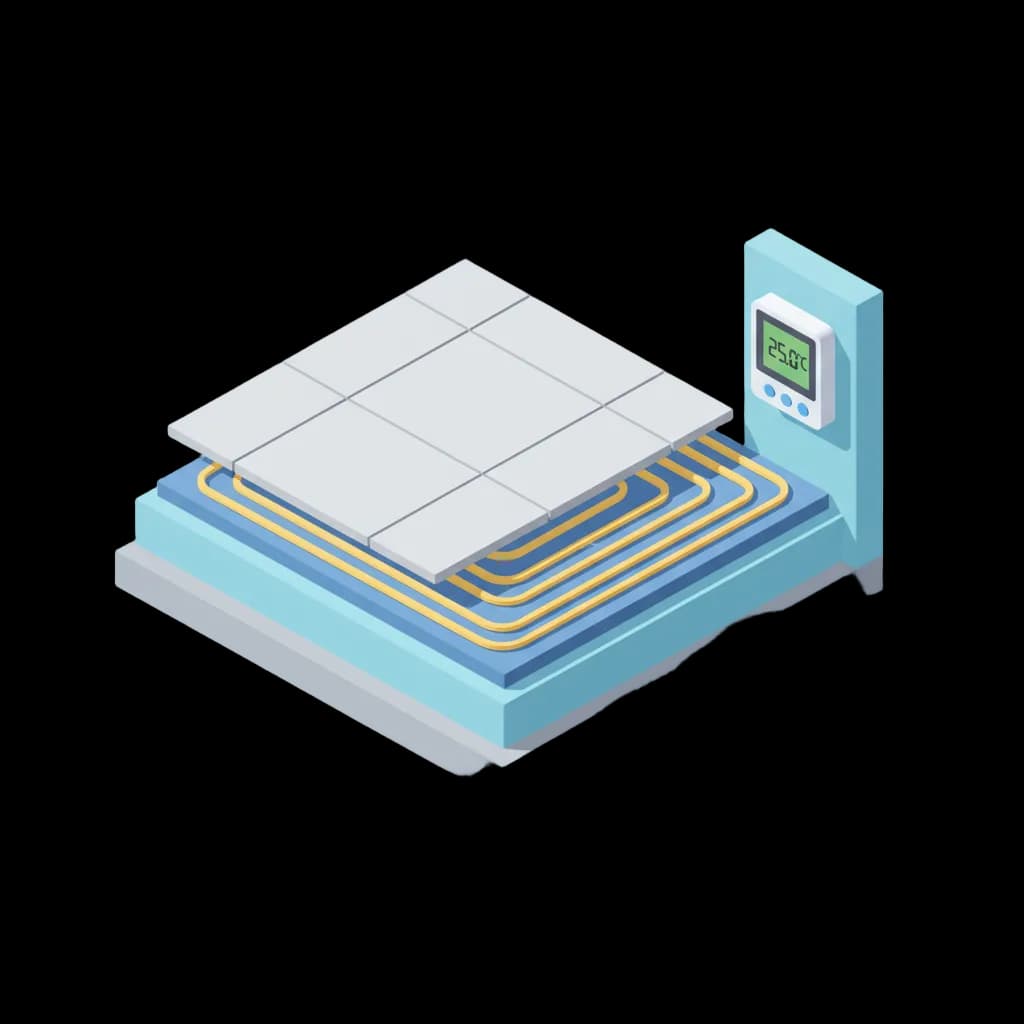
Electric Underfloor Heating Installation
Professional electric underfloor heating installation by qualified electricians. Mat and cable systems with thermostat control. Dedicated circuit. Qualified and insured.
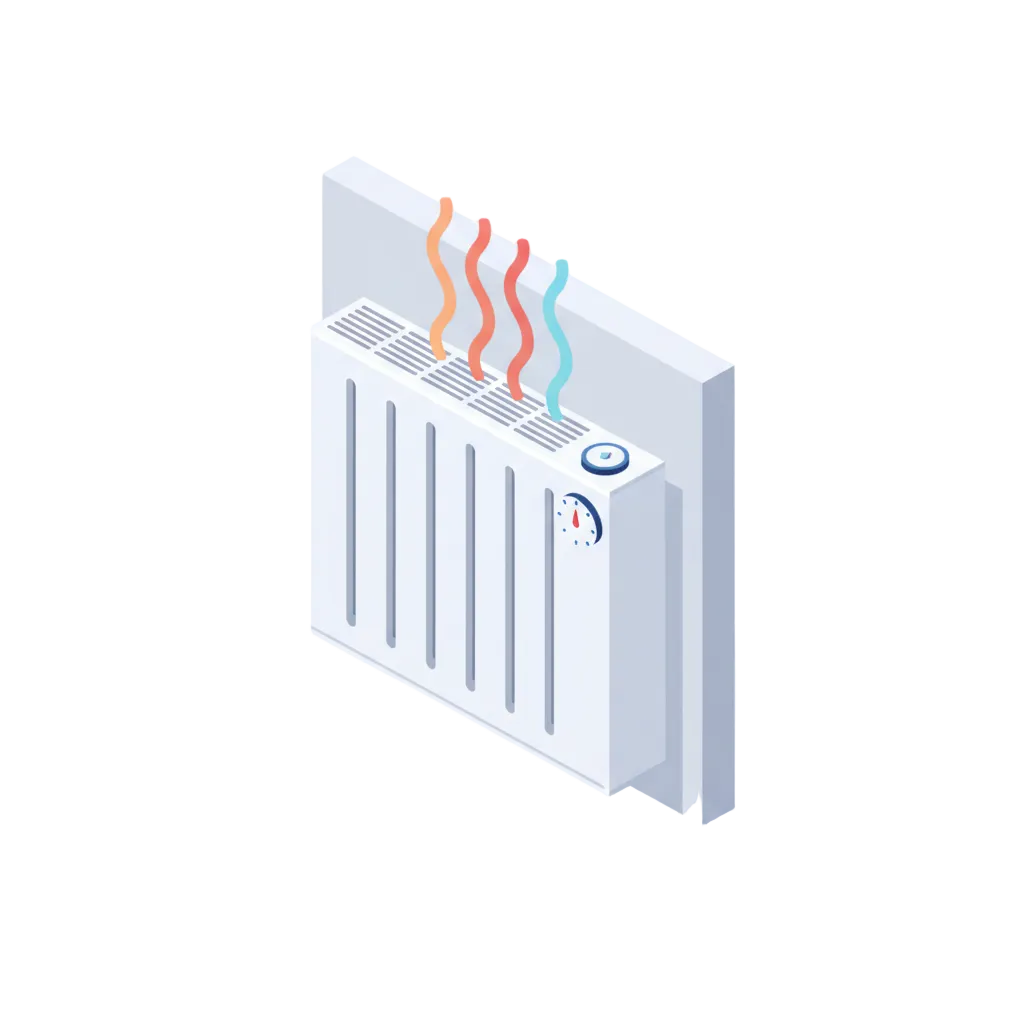
Storage Heater Installation
Professional storage heater installation by qualified electricians. Off-peak tariff setup, dedicated circuits, and Economy 7/10 meter configuration. Qualified and insured.
Find ev charger installation near you
Browse qualified electricians for ev charger installation by London borough.
Need ev charger installation?
Describe what you need to Sparky and we'll match you with a qualified electrician near you.
Book an ElectricianFind a Local Electrician
Need a qualified electrician? Browse all London electricians or find one in a borough near you.