Electric Radiator & Heater Installation
Professional electric radiator installation by qualified electricians. Wall-mounted with dedicated circuits, programmer and timer setup. Qualified and insured.
Get a quote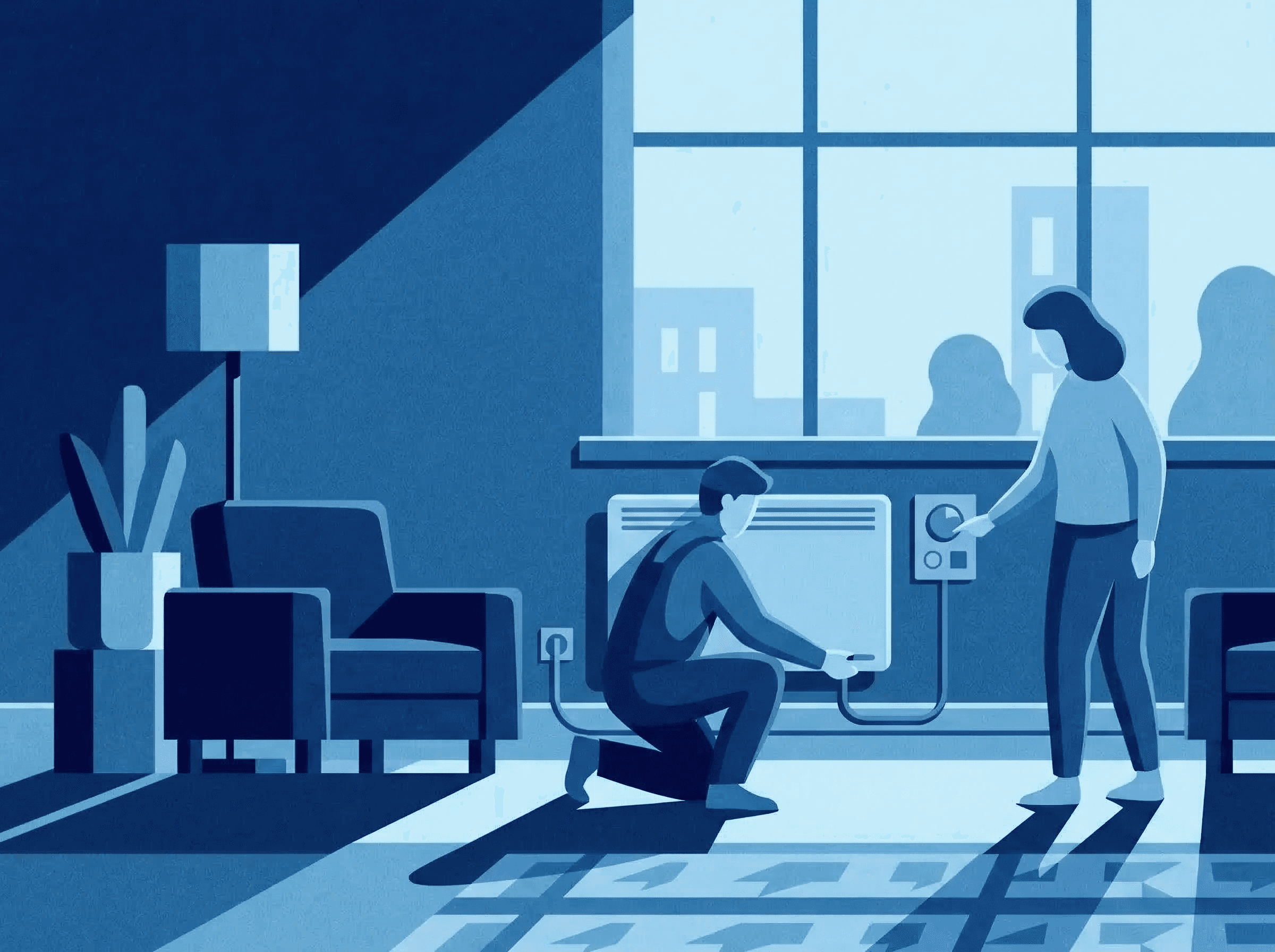

Electric Radiator & Heater Installation
Qualified electrician
Same-day service
Most jobs matched within hours.
Upfront pricing
Clear quotes before work starts.
Qualified pros
NICEIC & NAPIT registered.
Pay when done
Funds held until you're happy.
How it works
Survey and heat loss assessment
The electrician assesses the room size, insulation level, and window area to confirm the correct radiator wattage. They check the consumer unit for available capacity and spare ways, and plan the cable route from the board to each radiator position.
Circuit installation
A dedicated radial circuit or fused spur is run from the consumer unit to the radiator position. The circuit is protected by an appropriately rated MCB or RCBO. Cable size is calculated based on the radiator wattage and cable route length, accounting for derating factors.
Radiator mounting and wiring
The radiator is wall-mounted on the supplied bracket at the correct height — typically 150mm above floor level. The supply cable is connected to the radiator's terminal block or fused connection unit. A double-pole isolator switch is fitted adjacent to the radiator for local isolation.
Programmer and timer setup
The built-in programmer or external timer is configured with the customer's preferred heating schedule. Temperature set-points, comfort and economy modes, and open-window detection features are programmed. Wi-Fi-enabled radiators are connected to the home network and paired with the manufacturer's app.
Testing and certification
The circuit is tested to BS 7671 standards — insulation resistance, earth continuity, polarity, and RCD/RCBO operation. An Electrical Installation Certificate (EIC) or Minor Works Certificate is issued depending on the scope. Part P notification is submitted where required.
What's included
What's involved
Electric radiators are an increasingly popular heating solution for properties without gas central heating, extensions, conservatories, and individual room heating. Modern electric radiators are wall-mounted, filled with ceramic core or thermal fluid, and provide controllable, programmable heat. The electrical installation involves mounting the radiator, running a dedicated circuit or fused spur from the consumer unit (for high-wattage units), and wiring a programmer or timer for scheduled heating. Each radiator rated above 3kW requires its own dedicated circuit with appropriate MCB/RCBO protection.
Electric radiators rated above 3kW cannot be safely connected to a standard 13A plug socket — they require a dedicated fused spur or hardwired connection on a suitably rated circuit. Even lower-wattage radiators benefit from a dedicated connection to avoid overloading existing socket circuits. The installation involves working with mains voltage and permanently connecting the appliance, which is notifiable work under Part P if a new circuit is run from the consumer unit. Incorrect installation can cause overheating, fire, or nuisance tripping.
Get a personalised quote
Typical cost: £150–£400per radiator
Every job is different — pricing depends on your property, location, and specific requirements. Describe what you need and a qualified electrician will quote you directly.
How long does it take?
2-4 hours per radiator including circuit installation. A full-house system of 5-6 radiators typically takes 2 days. Add time if consumer unit upgrades are needed.
Regulations & safety
Safety notice
Never cover or obstruct electric radiators with curtains, furniture, or clothing. Blocked airflow causes overheating and is a fire risk. Maintain at least 100mm clearance around all sides.
Electric radiators must be connected via a double-pole isolator switch to allow safe local isolation for maintenance. A single-pole switch does not disconnect the neutral conductor, meaning the radiator remains partially live even when switched off.
Do not connect a high-wattage electric radiator (over 3kW) to a standard 13A plug socket. The sustained high current draw can overheat the socket, plug, and wiring — this is a leading cause of electrical fires in UK homes.
Part P of the Building Regulations (Approved Document P)
A new circuit from the consumer unit is notifiable electrical work under Part P. It must be carried out by a registered competent person or inspected by Building Control. Adding a fused spur from an existing circuit is generally non-notifiable.
BS 7671:2018+A2:2022 (IET Wiring Regulations)
The wiring regulations specify cable sizing, circuit protection, and installation methods for fixed heating appliances. Regulation 424 covers precautions against thermal effects from fixed heating equipment, including minimum clearances and heat-resistant cable requirements.
Lot 20 ErP (Energy-related Products) Regulations
Since January 2018, all electric space heaters sold in the UK must meet Lot 20 energy efficiency standards. Compliant radiators must include electronic room temperature control, weekly timer programming, and open-window detection. Non-compliant heaters cannot legally be sold.
What to expect
Having issues with your existing installation?
Already have a electric radiator & heater and having issues? Check our troubleshooting guides.
Frequently asked questions
Can I plug an electric radiator into a normal socket?
Are electric radiators expensive to run?
Do electric radiators need a dedicated circuit each?
What is the difference between convection heaters and electric radiators?
Other installations services
Browse more services in the installations category.
EV Charger Installation
Professional EV charger installation by qualified electricians. Qualified and insured.
Socket & Plug Installation
Professional socket installation by qualified electricians. New single, double, and USB sockets safely added to any room. Qualified and insured.
Light Fitting & Lighting Installation
Professional lighting installation by qualified electricians. Downlights, pendants, LED conversions, and dimmer switches fitted safely. Qualified and insured.
Electric Shower Installation
Professional electric shower installation by qualified electricians. Dedicated circuit, pull cord isolator, and supplementary bonding included. Qualified and insured.
Smoke & Carbon Monoxide Alarm Installation
Professional mains-wired interlinked smoke alarm installation by qualified electricians. Meets current Building Regulations. Heat detectors for kitchens included. Qualified and insured.
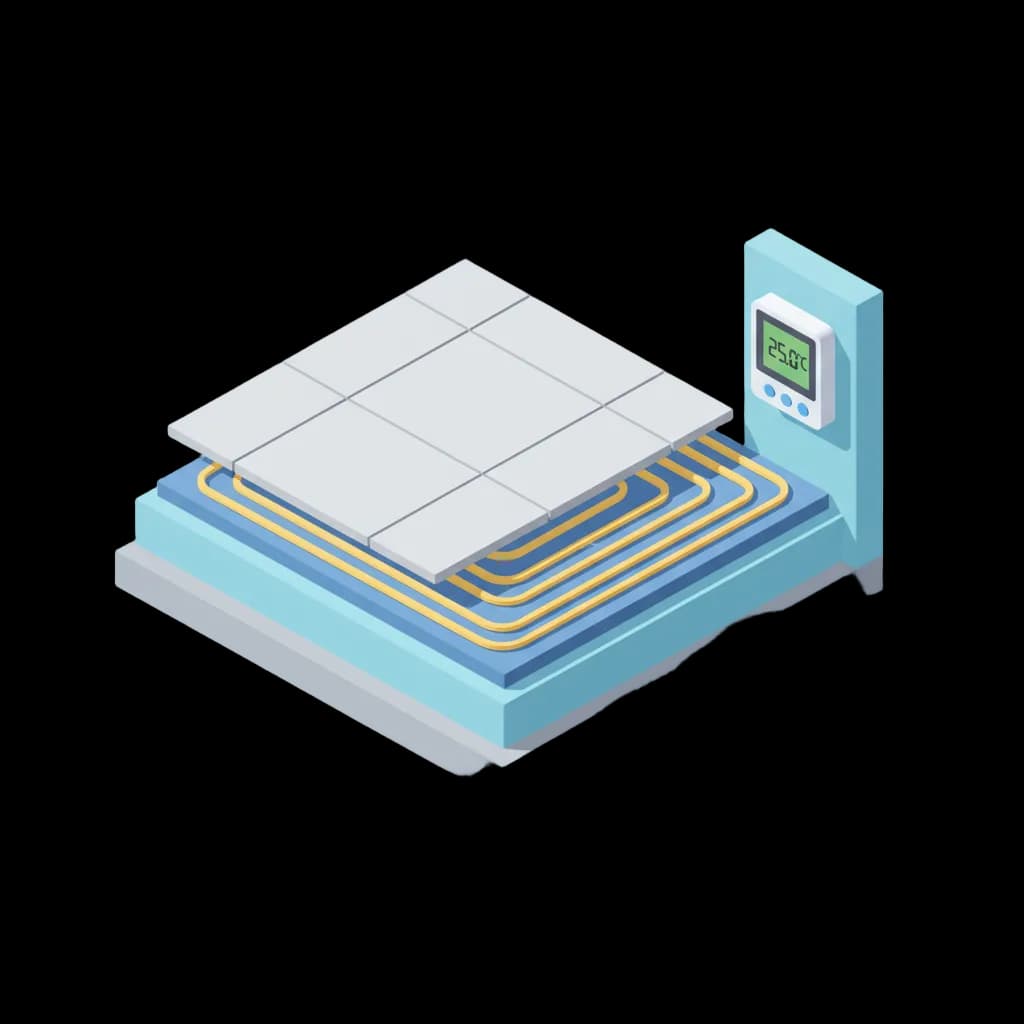
Electric Underfloor Heating Installation
Professional electric underfloor heating installation by qualified electricians. Mat and cable systems with thermostat control. Dedicated circuit. Qualified and insured.
Find electric radiator & heater installation near you
Browse qualified electricians for electric radiator & heater installation by London borough.
Need electric radiator & heater installation?
Describe what you need to Sparky and we'll match you with a qualified electrician near you.
Book an ElectricianFind a Local Electrician
Need a qualified electrician? Browse all London electricians or find one in a borough near you.